Flying Foxes
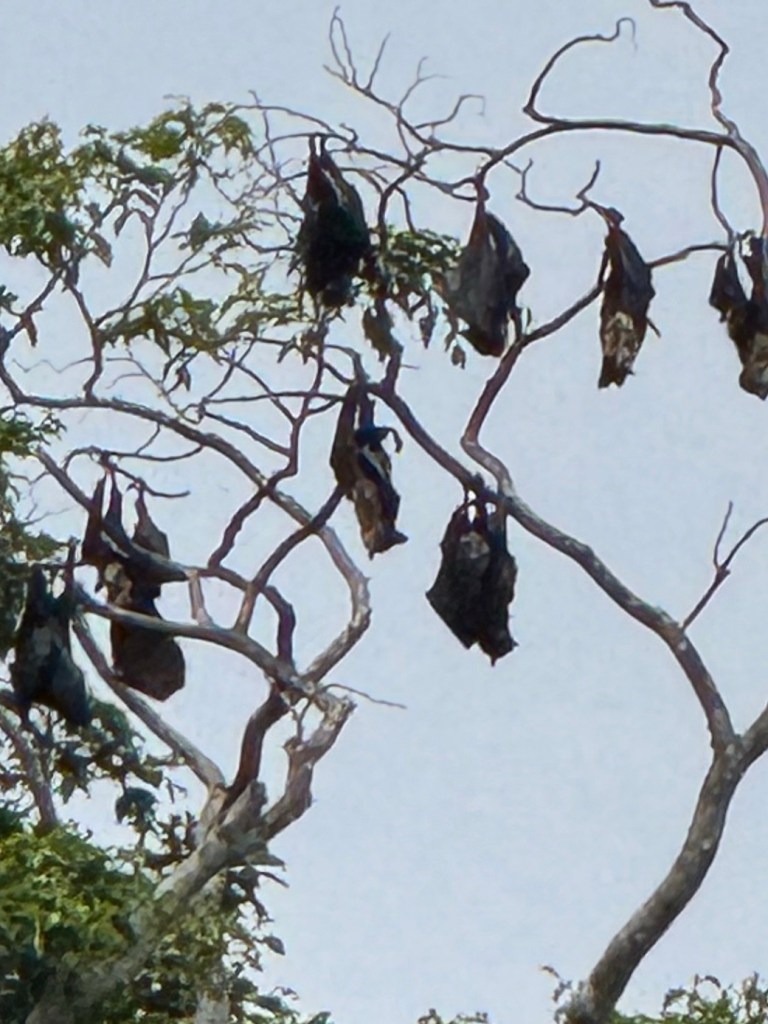
Flying foxes are indigenous to Tonga where they nest in trees, serve as pollinators, and eat fruit. They are endangered due to loss of habitat and use of pesticides. Port Maurelle and Neiafu both had nesting sites and we spent hours watching these fascinating animals. Flying foxes are basically huge fruit bats that can have wingspans of up to a meter. They wrap their brown faces and babies with the wings, then hang upside down from trees. As nocturnal creatures, they leave their nests at night, although some of them stay quite close. Mothers sometimes fly with their babies attached to their chest. A favorite activity was to take an evening beverage out in the dinghy where we could sit near the trees, anchor the dingy, and watch them.
Photos and video of bats

Tongan Work Culture
Many of the Tongans we interacted with were obviously hard workers, while others not quite so. For instance, most women at the market actively engaged customers to sell their wares. Then an occasional vendor was so engaged watching a video on their phone that they couldn’t be interrupted to sell their product.
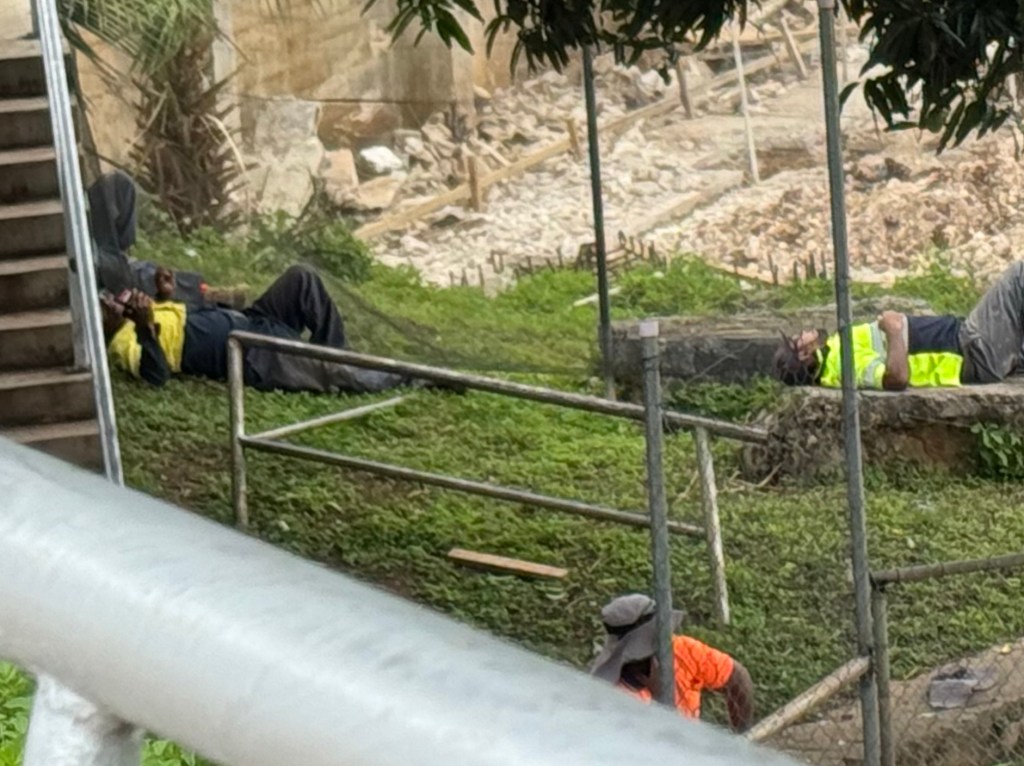
Lunch breaks were firmly observed by many, and it wasn’t unusual to see a worker taking a nap on the worksite. Given the heat and humidity, a midafternoon rest seems completely appropriate, especially for manual laborers.
The state run airline is notoriously unreliable, which we saw a few times during our visit. We saw four Kiwis (New Zealanders) returning to their boat after their plane to New Zealand didn’t show up. The local deli’s shipment also missed two planes, which they didn’t discover until they arrived at the airport. Covid and lack of reliable airline services continues to have a devastating impact on tourism.
Boat Maintenance
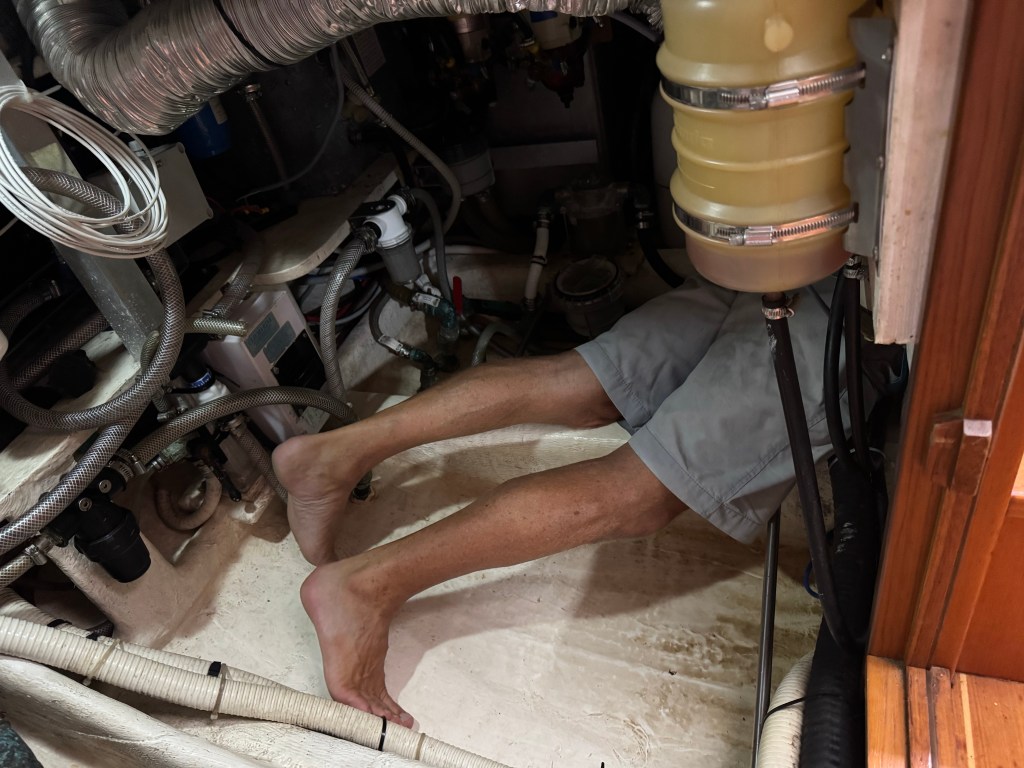
Given the heat and humidity, our freezer and refrigerator struggle to maintain a proper temperature. Regular defrosting is a must and occasionally Herman cleans the screens and hoses, which are underneath the galley floor.

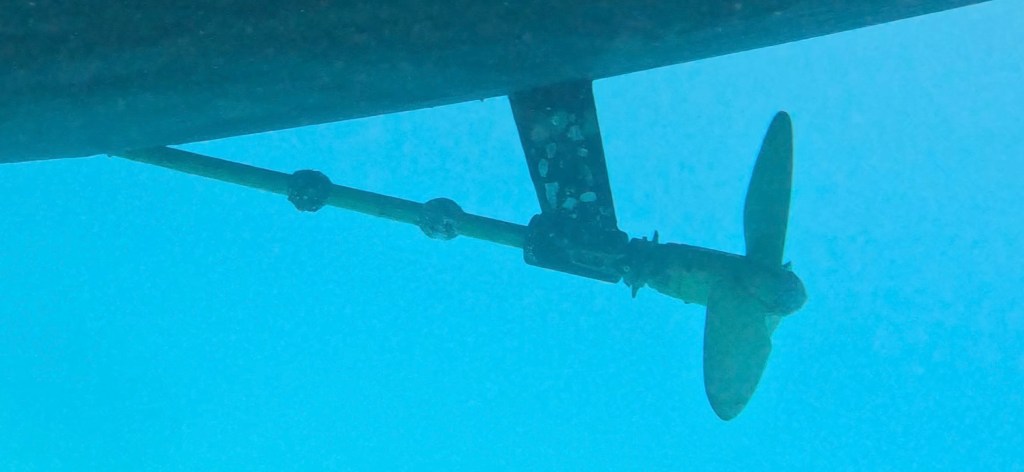
We completely scrubbed the hull, which is a nasty job. Herman had a small open wound on his hand which could be infected by the anti fouling paint, so I later tackled scraping the propeller, shaft, and keel. It is quite fulfilling to don scuba gear and scrape barnacles! When finished, we took a video to show to New Zealand’s bio security team.
David’s Beach
Vaka’eitu is the proper name for Vava’u Anchorage #16, where David lives with some his extended family. Next to the sheltered bay is a sand spit that partially abuts to a coral garden on the reef between islands. We snorkeled the amazing coral garden, and both Herman and I saw an octopus swimming. I watched the octopus swim into a crevice, where it quickly camouflaged itself amongst the coral. Now that I’ve seen octopus camouflage in action, we understand why we haven’t seen them on our previous dives and snorkels.
In the evening, at the invitation of Rusty and Sally from SV Pitu (who we helped in Aitutaki) we joined several cruisers on the sand spit for a beach fire. We were briefly joined by three preteens who confidently brought the dinghy to the beach, then joined Rusty to help build the fire. They then rowed away from the beach through the reef before starting the dinghy motor and heading back to their boat. It was fun to watch their confidence and independent navigation. Christian from SV Donella was another standout guest. He was born in Germany and grew up in South Africa, moving to New Zealand later in his life. At 92, he now comes north in the winter and lives alone on his boat. Such an inspiration!
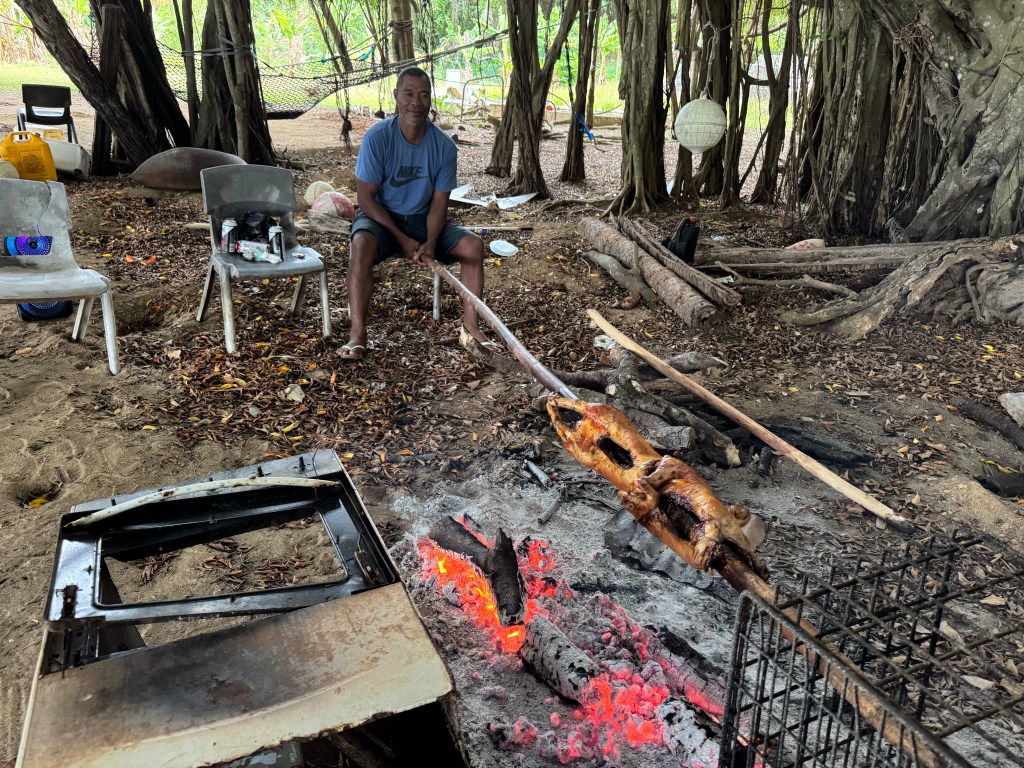
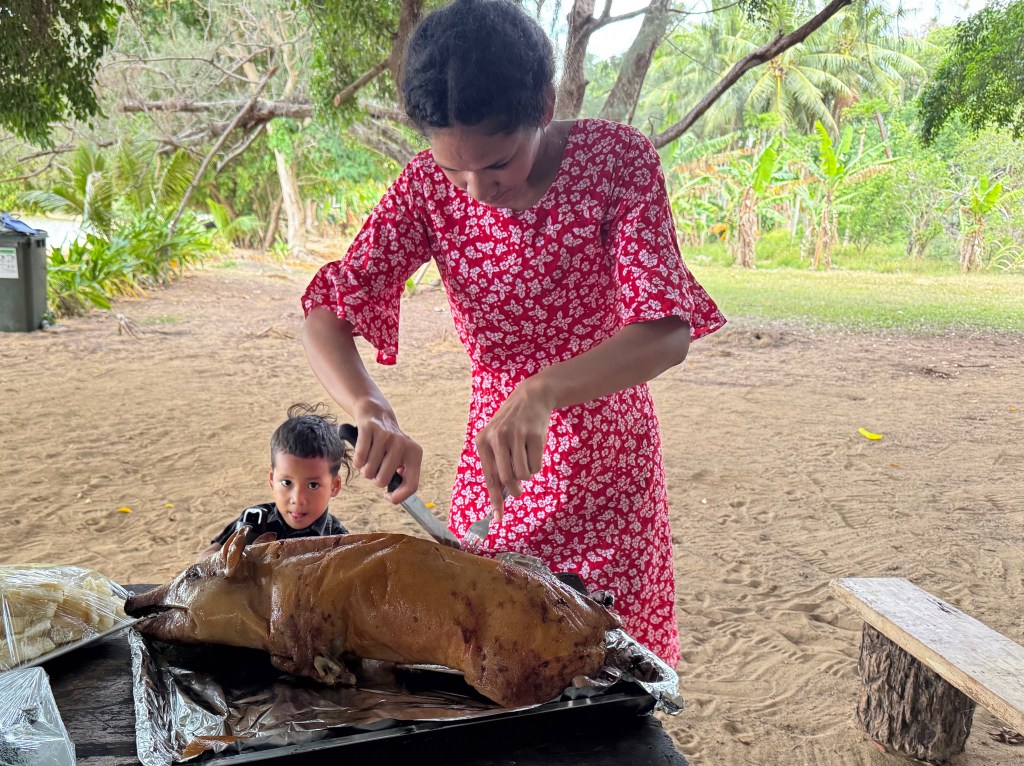
David’s daughter and her family hosted a delicious pig roast for the cruisers, which provides a bit of income for her family. The spread was laid out underneath the banyan tree on the beach. She carefully carved the pig under the watchful eye of her two year old, who occasionally snatched a piece of skin or bone for himself or his one year old sister.
Lisa’s Beach
We thought Lisa’s Beach (Anchorage #10) would be a good spot to wait out some upcoming strong winds. A low pressure system was forecast (and subsequently did) bring heavy winds to the southern Tongan groups and Fiji. The lovely spot has an abandoned clam shed with waves lapping it at high tides. We snorkeled, swam, kayaked and enjoyed some meals and sundowners with Andy and Julie (SV Cushla, Trapped in Paradise at Maupiha’a) and Sally and Rusty.
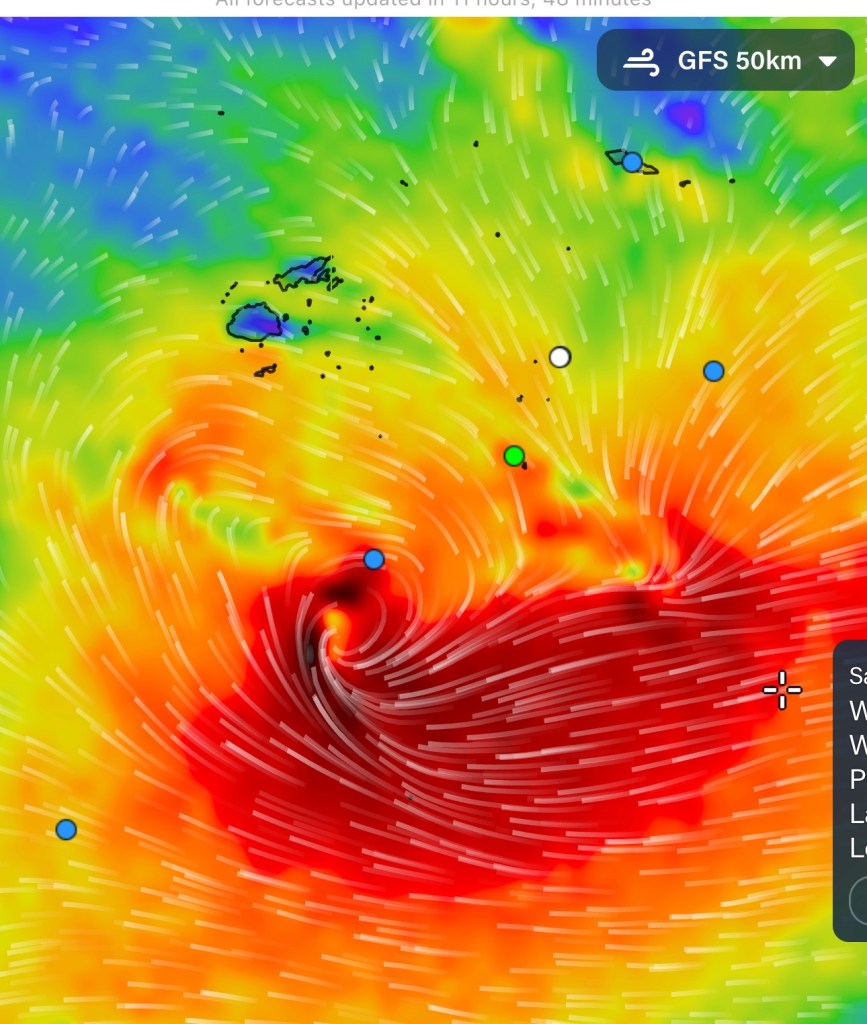
We Were at White Dot Minerva at Blue Dot with Dark Red

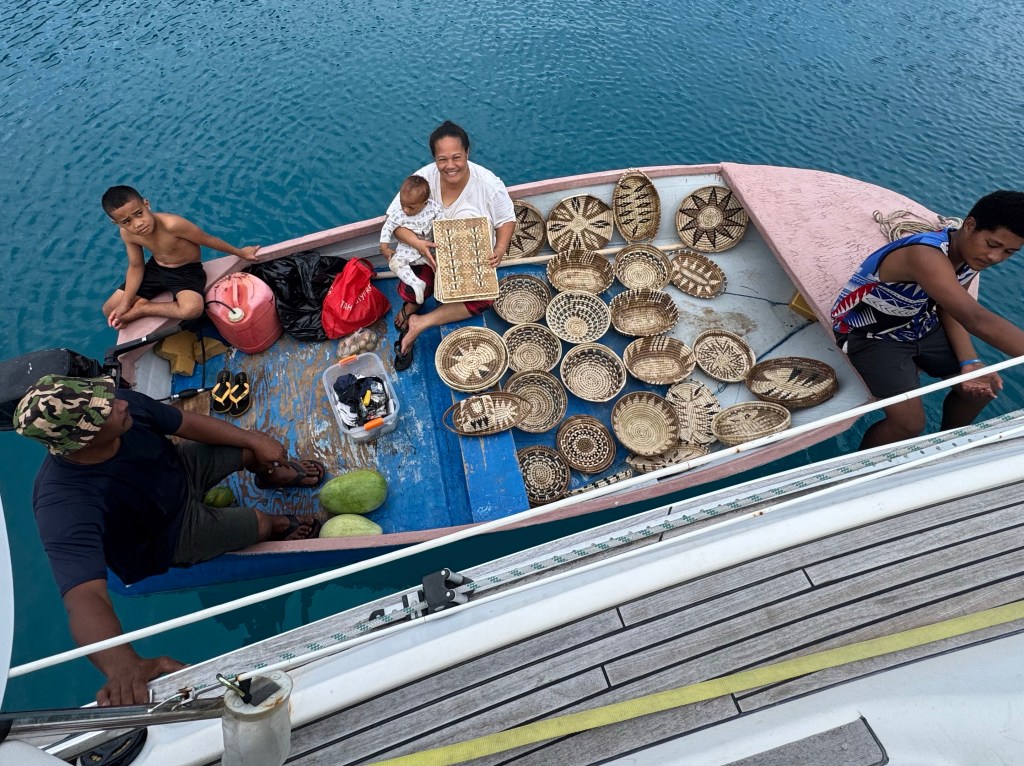
A beautiful Tongan family came through the anchorage selling woven products and vegetables. We’ve avoided buying things, but I made an exception and purchased some woven placemats in order to support her business and beautiful family.
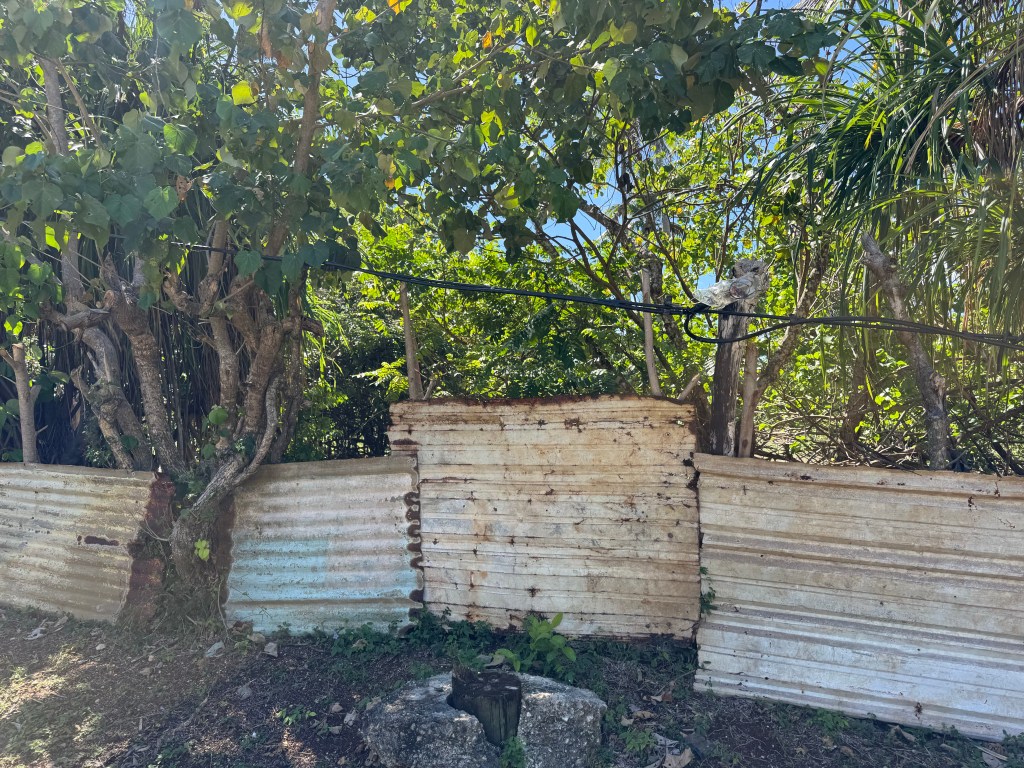
For dinner one evening, eight cruisers from the anchorage arranged to have dinner at Humpback Lodge, followed by a playoff by Tongan and Irish musicians. We hiked up the hill where the lodge van picked us up for transport to the restaurant. Using our headlamps on the return hike, we laughed that the directions might have been: have the driver drop us just past the mango tree at the red shirt hanging on the fence, proceed south along the interior fence line until the path turns east. Hike along the path to the uneven stair down the hill. We were all relieved to get to our dinghies/paddle boards unharmed and without encounters with wild pigs.

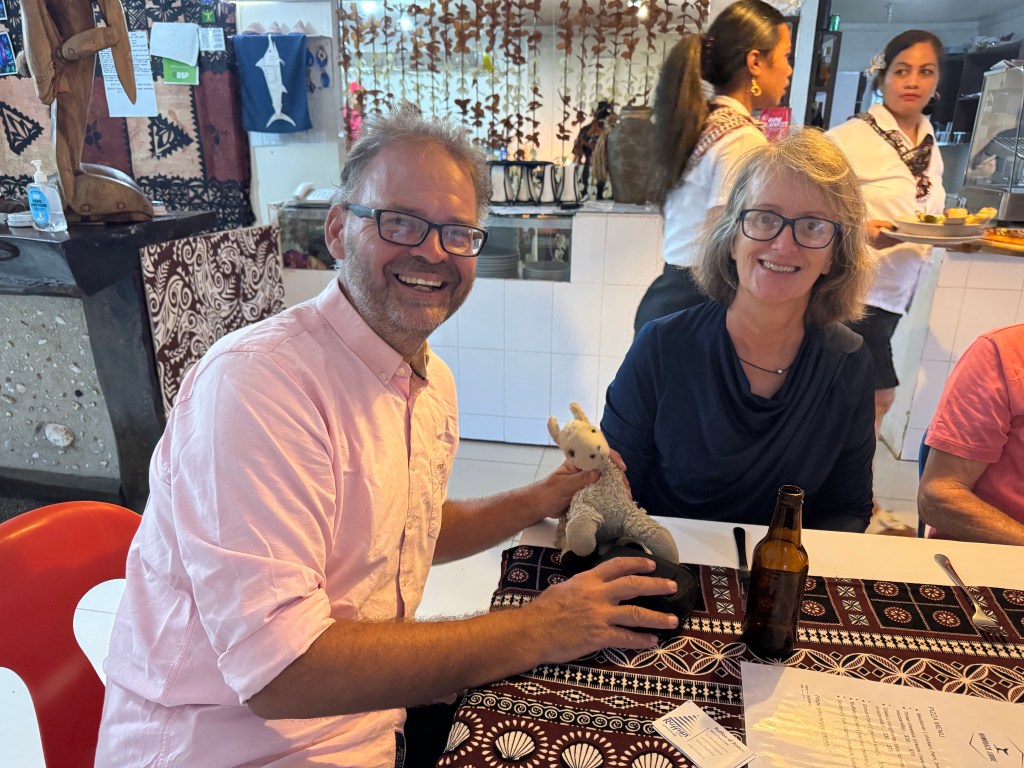
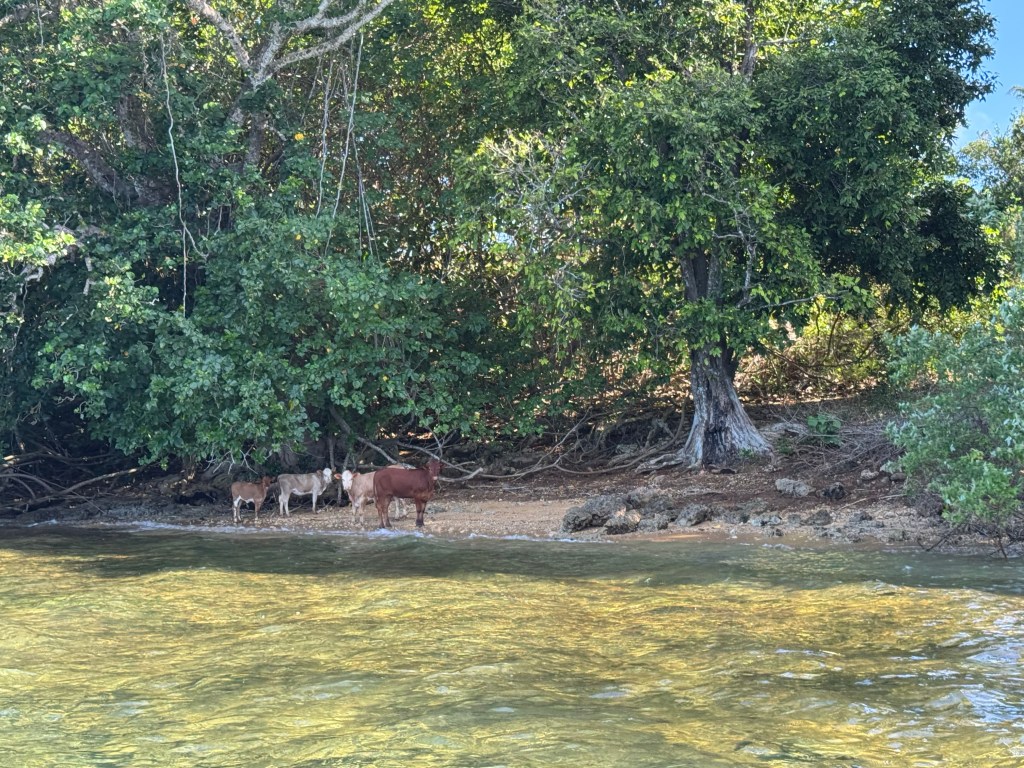
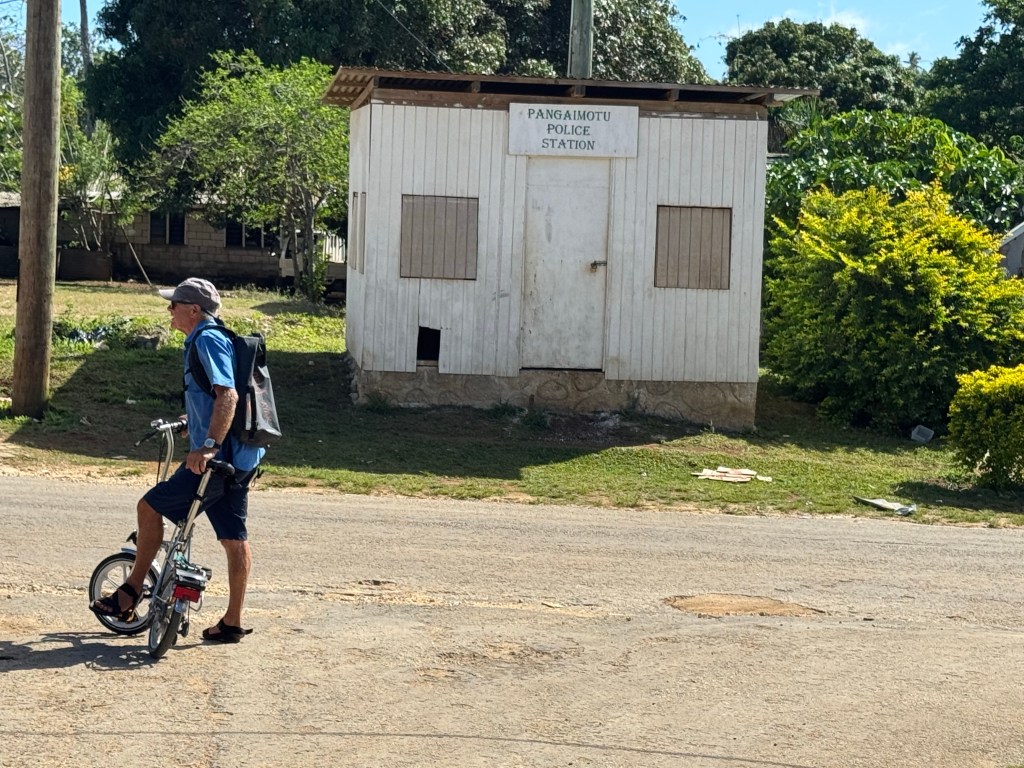
On Monday, Herman and I took our bikes into town to get a few provisions and start the process to check out of Tonga. Those directions might have been: beach the dinghy in the cove with the cows standing by the water, walk up the hill with the bikes, bicycle past the fields, then take a right at the “police station”. We took a left and got a scenic tour of a peninsula, before we realized my navigation error and turned around towards Neiafu.
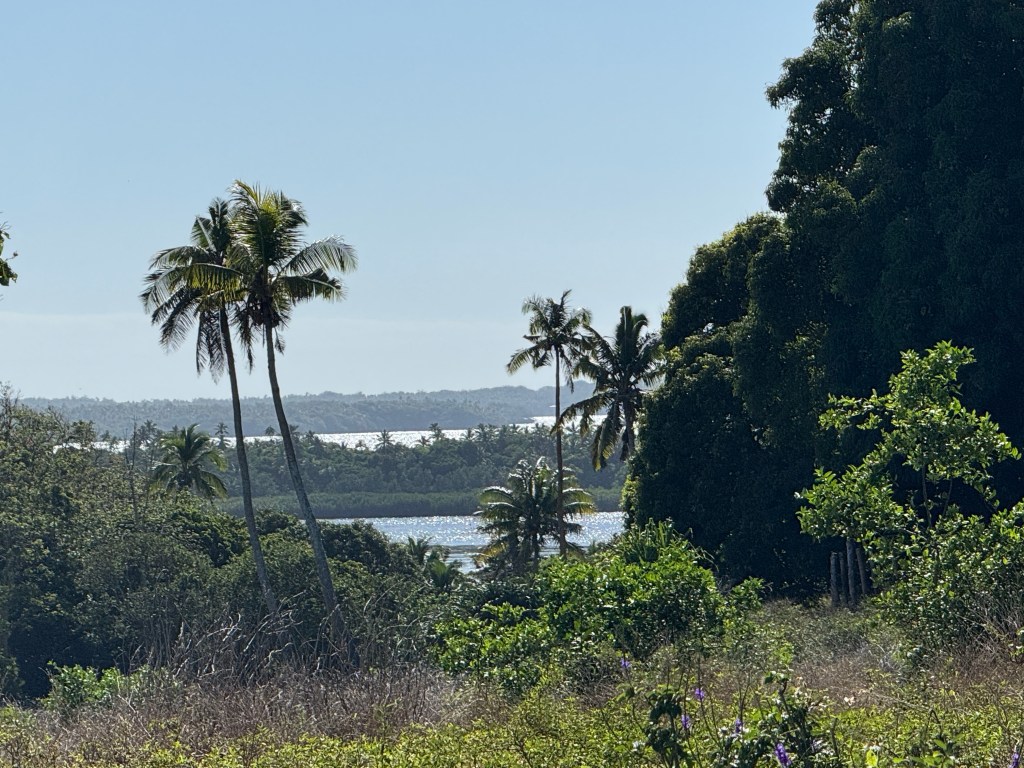
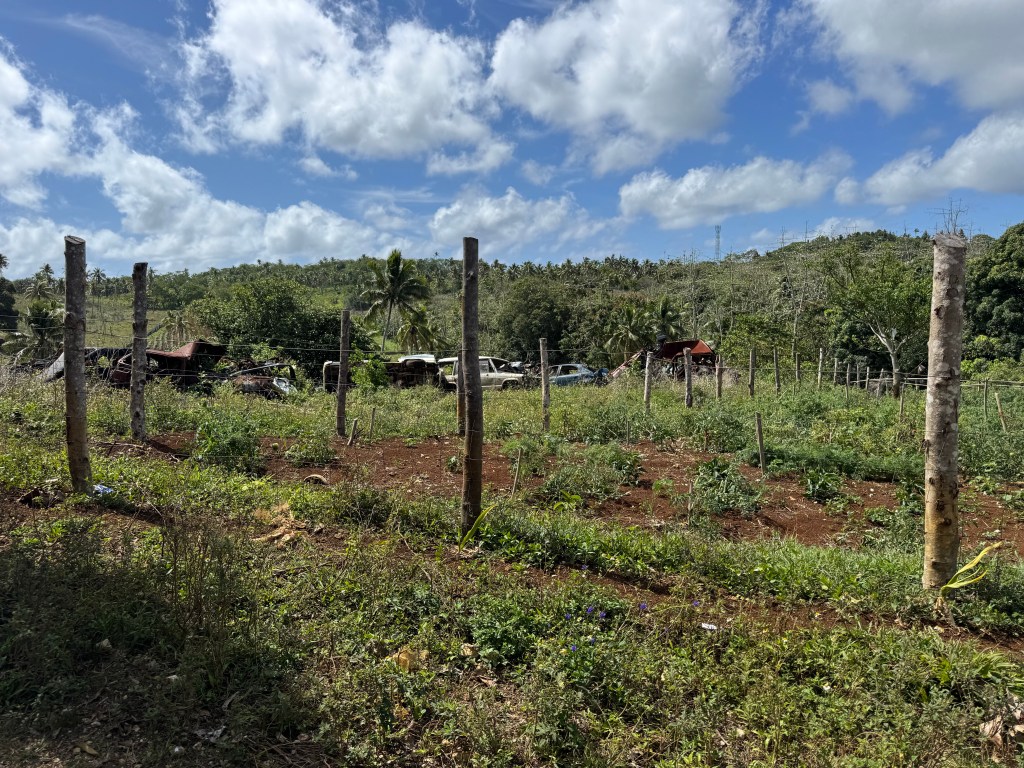
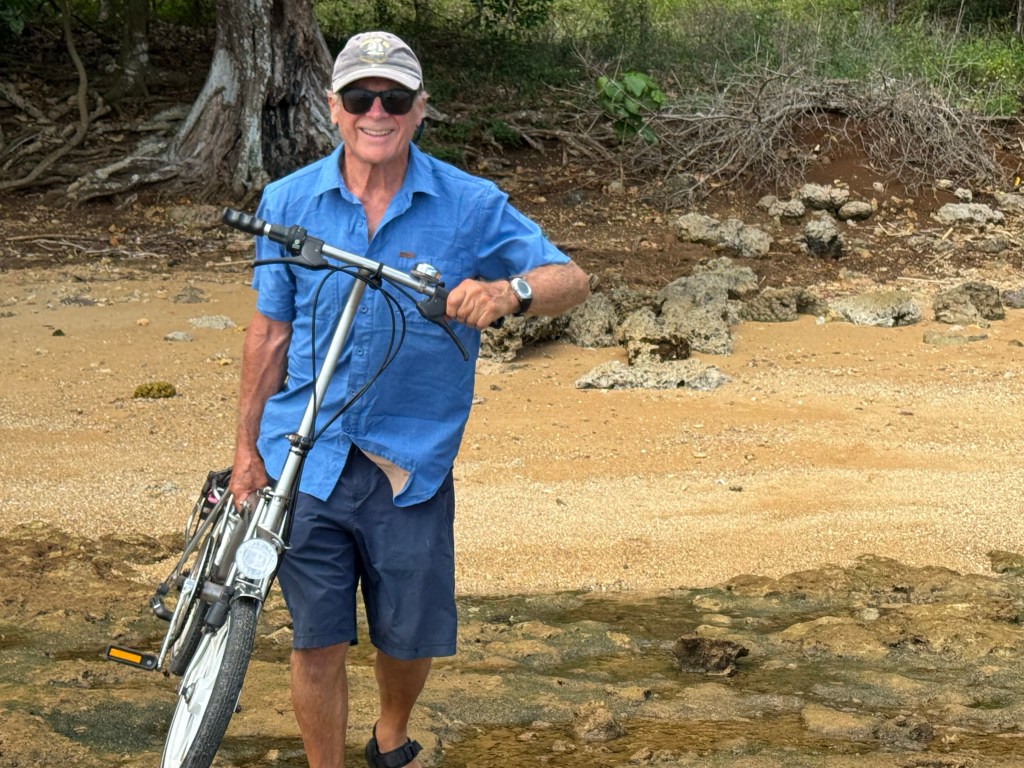
A brief encounter with three young children captures how youngsters behave. Riding our bikes, we passed two women walking toward us on the path. About 20 meters down the path a 3ish year old boy held his baby sister off the path, so we could safely pass. Next to the two younger kids stood a 5ish year old confidently holding a butcher knife. The women and children all had friendly hellos and waves for us. Children are definitely revered and cared for by the village, with a different safety standard than we’re used to.
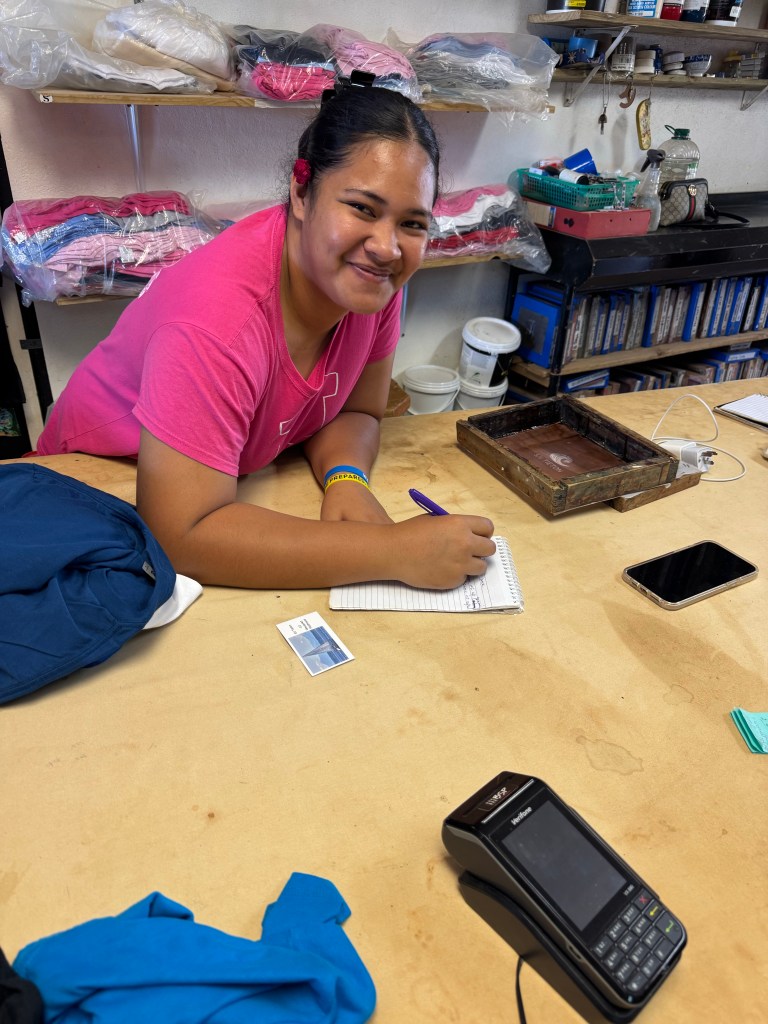
In Neiafu, we accomplished our business including ordering Tieton boat shirts that we were able to pick up the day we left.
Before we departed our anchorage, we went across the bay to the beautiful Japanese coral gardens that surround a small island between the larger islands. We don’t have photos, so readers will just have to imagine an underwater garden filled with chanterelle mushroom-like coral that was over a meter/yard wide. It was so worth getting our hair wet.
What’s Next
We arranged to check out through customs so that we could get duty free fuel. We not-so-patiently waited for the fuel truck driver who arrived two hours late. Fortunately, we just squeaked by and got our final exit papers before customs went to lunch.

We’ll stop at unoccupied Minerva Reef on our way to New Zealand, which breaks up the 10 day passage nicely, and provides a chance to wait for a good weather window to New Zealand.


 Sailing Tieton
Leave a comment