The South Island is rugged mountainous terrain interspersed with glacial valleys. New Zealand’s major industries are dairy and beef, wool and lamb meat, and timber, along with tourism. We encountered many dairy tankers, timber trucks, and animal carriers during our travels, and were frequently amazed at the driver’s dexterity negotiating the curvy roads. We backtracked from the northernmost part of the island towards Nelson, because the roads to the northwest are rugged and far between.

The weather comes mostly from the west, which means the clouds dump most of their water along the west coast and into the passes, which leaves the east side drier. This creates some of the glaciers and the runoff forms gorges over time. Some examples of annual rainfall are:
- Haast – 169 inches – 4,300 mm
- Milford Sound – 268 in – 6,813 mm
- Dunedin – 25 in – 806 mm
We hit the west coast at Westport and first saw the ocean at appropriately named Cape Foul Wind.

Camping
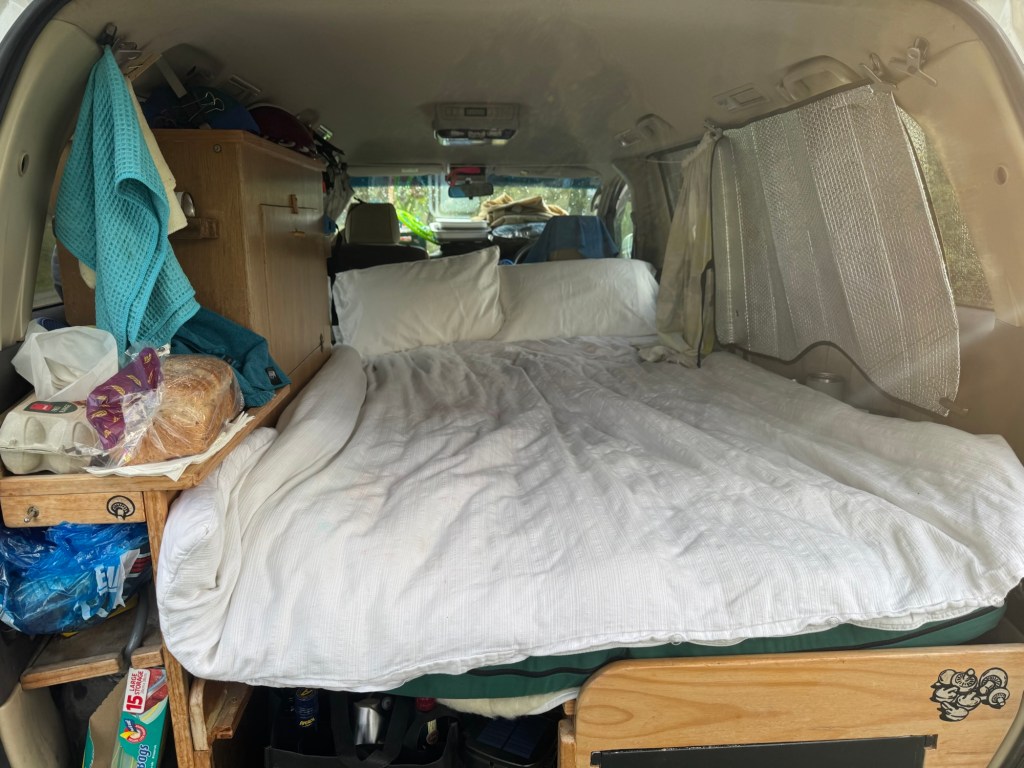
Before we continue with our travel adventures, we want to discuss camping in general. HAMENZ is a converted minivan and can comfortably fit into any campsite. She is “self-contained”, meaning that we have a toilet and washing facilities on board, which expands our options tremendously. When we are driving, everything is under or on the bed. When we arrive at a campsite, we lock the folding bikes to the trailer hitch, then move everything off the bed into the front seats. Now that Herman can once again lift more than 15 pounds (~7 kilograms), this takes us about five minutes, including magnetically attaching mosquito netting to the front windows.
The biting flies and mosquitos along the coast and through the mountains are vicious, which means we use insect repellent liberally and cover everything. Quite the fashion statement in the evenings!
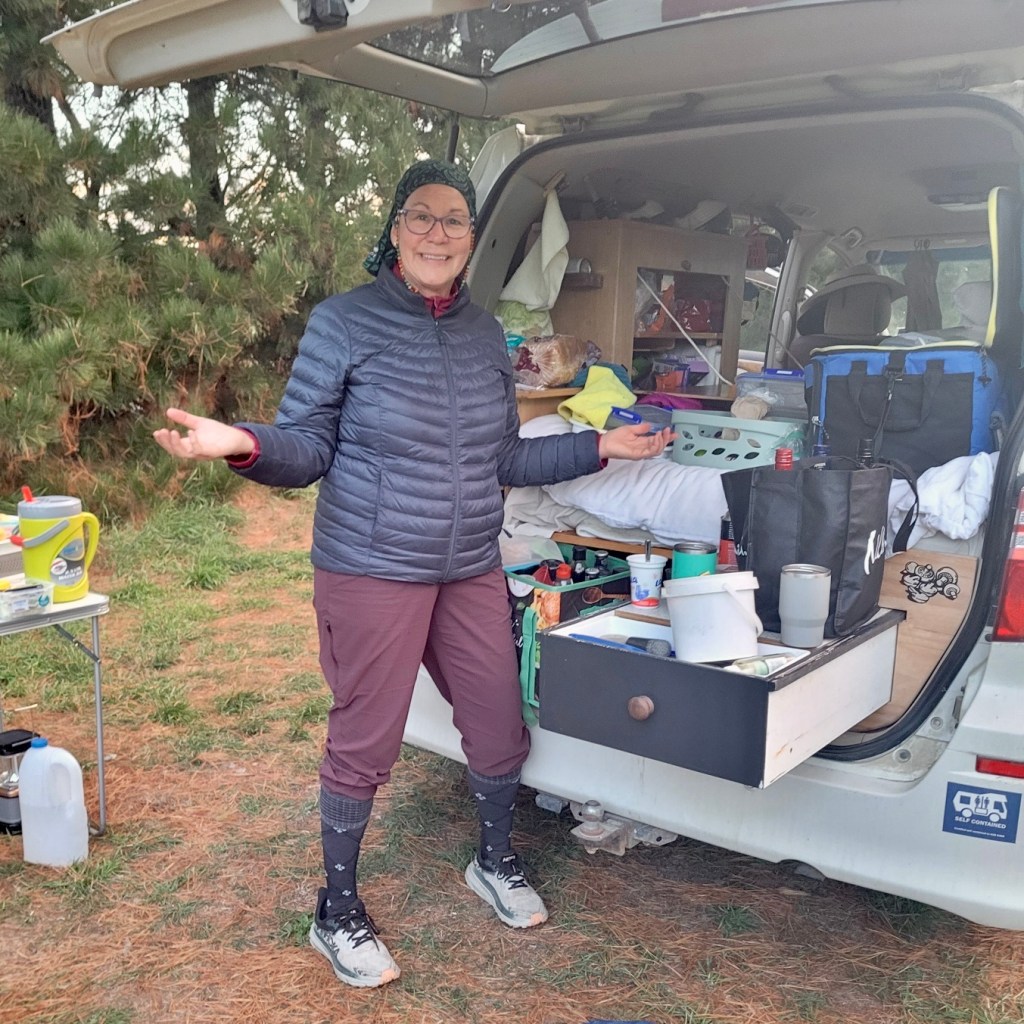


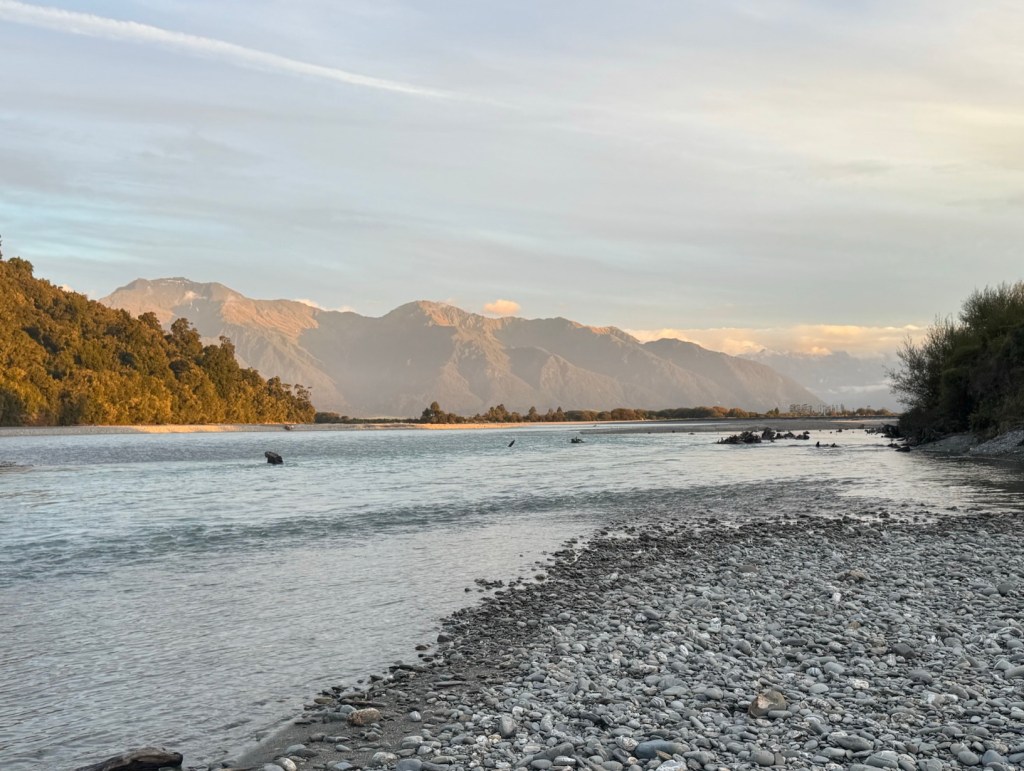
Sometimes the best thing about camping is the people you meet, and Mark who we met at our campsite beside the Whataroa Gorge is an example. He had all the toys: a trailered jet boat to play or the river, an ATV to take the boat to the river, a motorbike, a little wood burning stove, and a van to put it all in. We wondered where he sleeps. To top it off, he’d killed a six point (in NZ, a twelve point) deer. He gave the meat away and was taking the treasured antlers (still with bits of clinging flesh) home. It didn’t take me long to figure out why his wife had stayed on the North Island to allow him to enjoy his trip in solitude.

Pancake Rocks
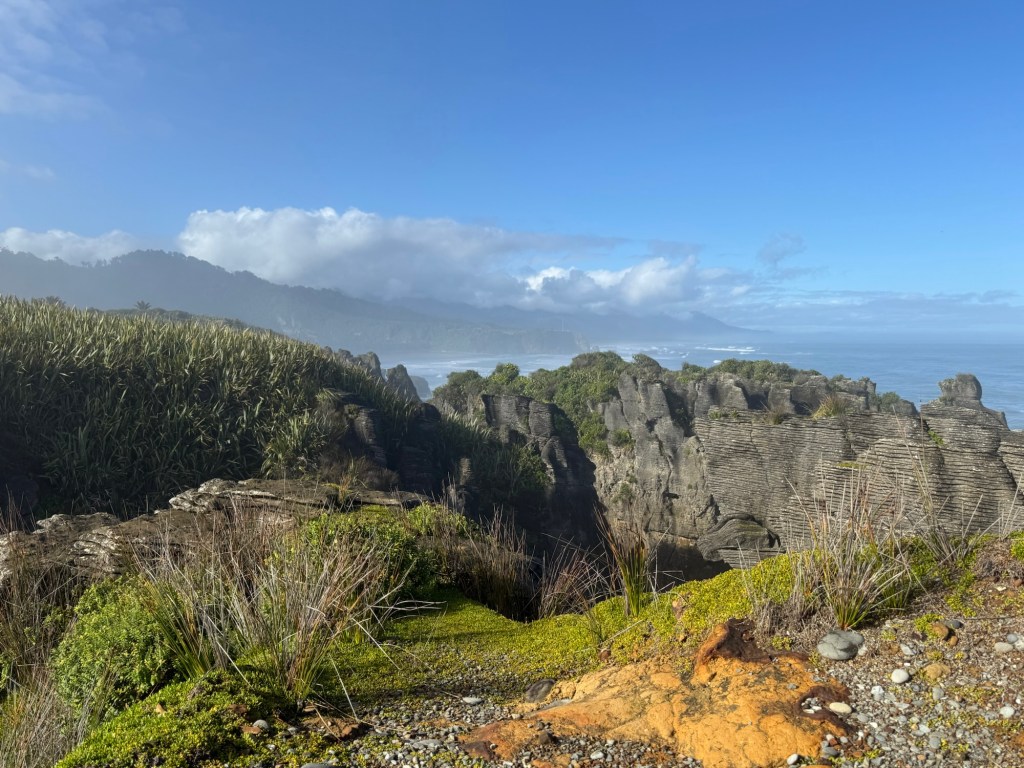
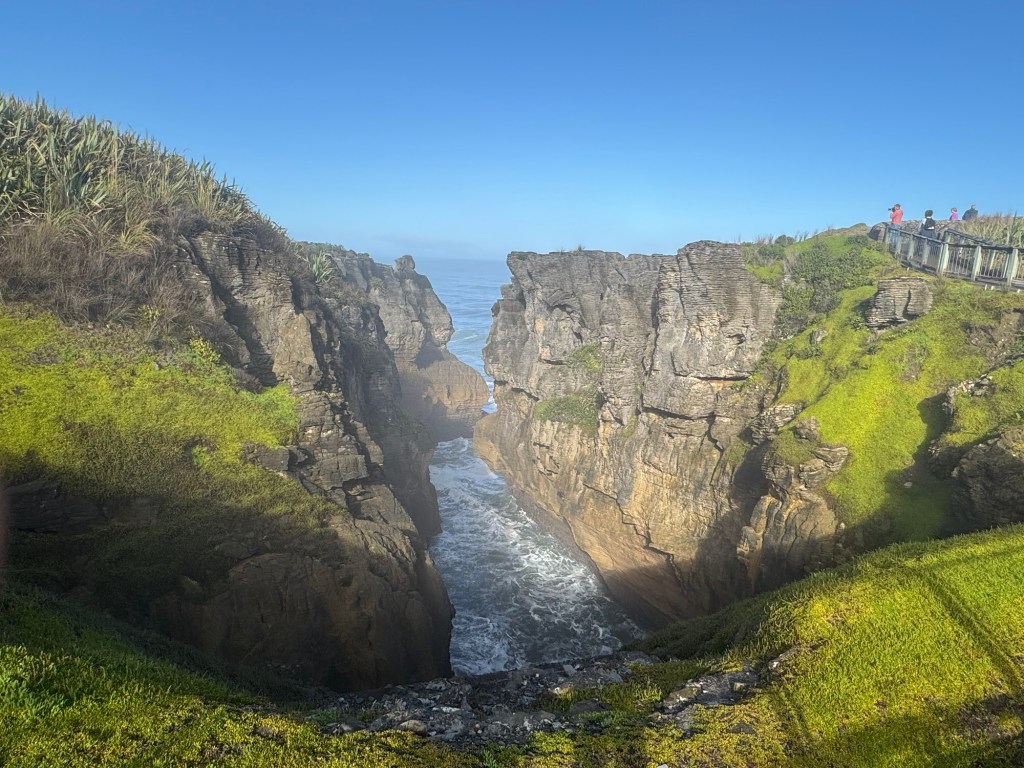
Paparoa National Parks with the Pancake Rocks is a huge tourist attraction and we now understand why. The park makes the rocks accessible through a series of paths, most of which visitors in wheelchairs can use. The rocks themselves provide a prime example of coastal geology. New Zealand is relatively young and very seismically active. The “pancake” of the rock developed as layers of sand were compressed over the centuries by the sea. Then seismic shifts raised the rocks from the sea floor. Over time, the ocean has eroded some of the sediment, exposing the layers or pancakes.




Hokitika Gorge & Franz Josef Glacier
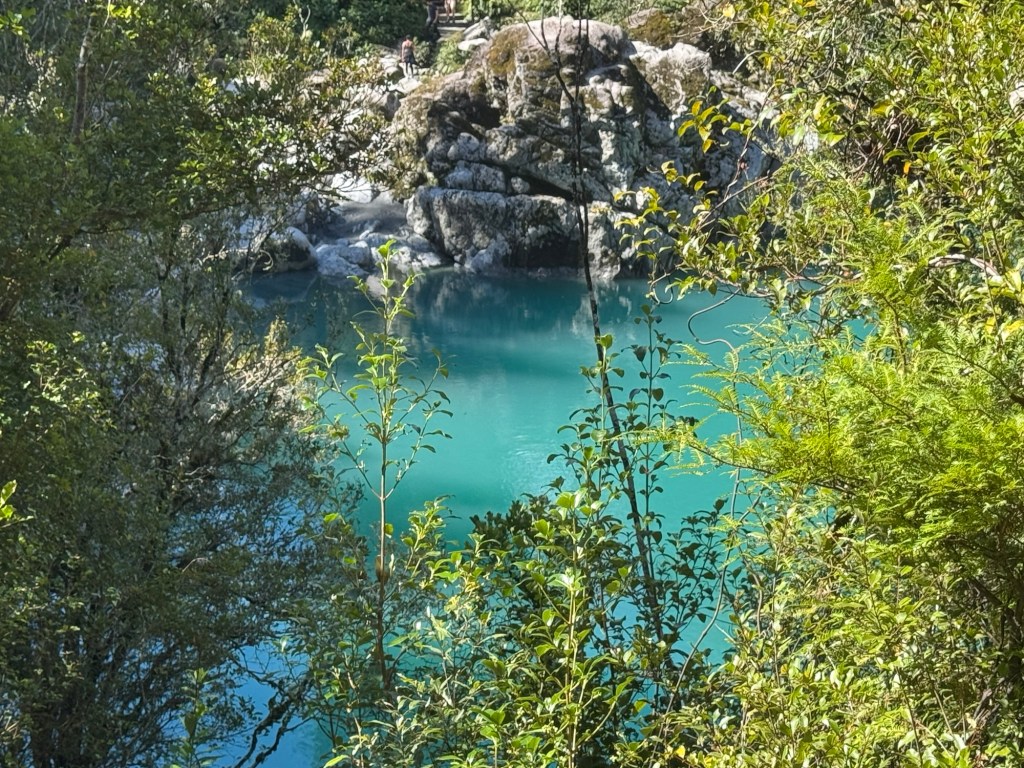
The Hokitika Gorge, with its blue glacial water is stunning. It was worth the hour drive and walk that it took to get there.

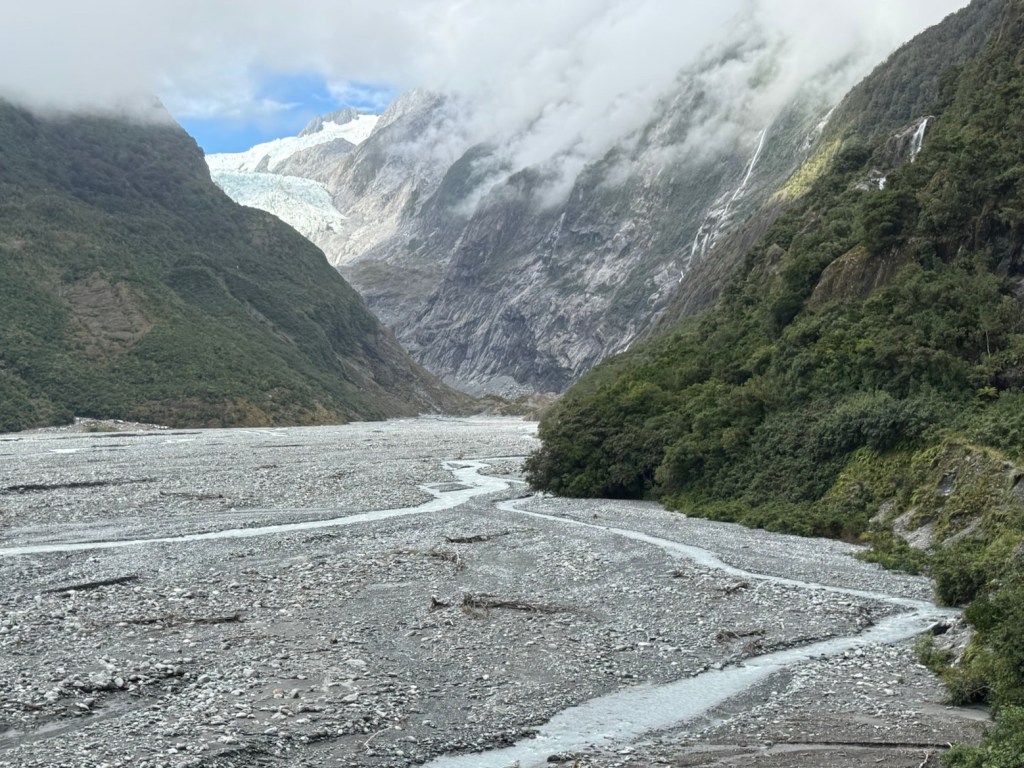
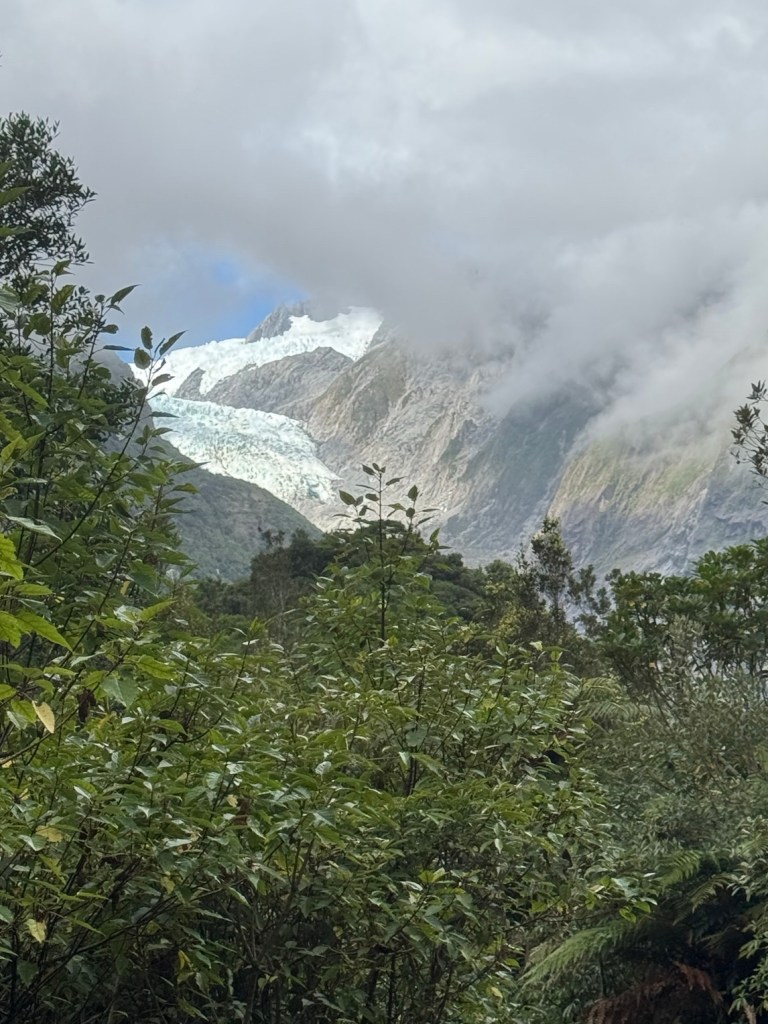
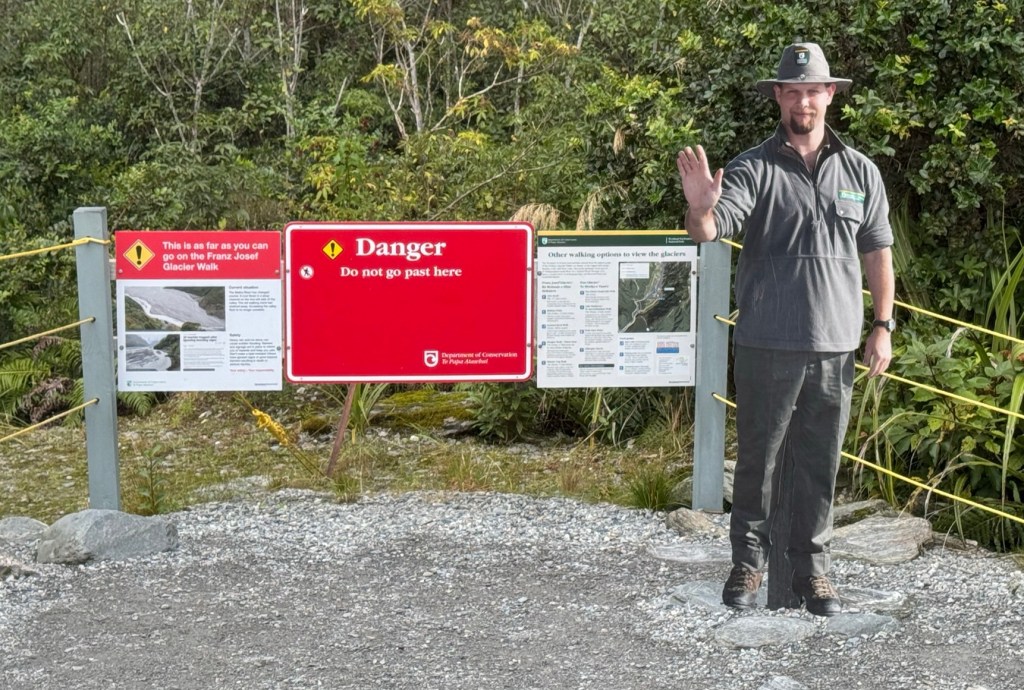
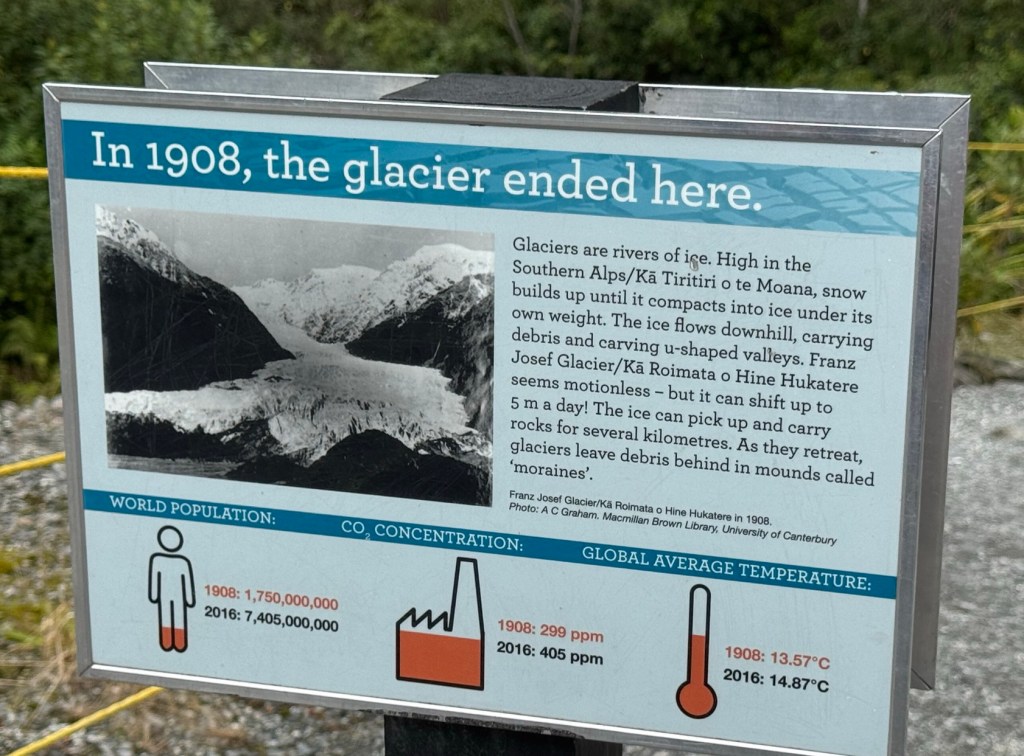
Franz Josef Glacier is constantly moving, so rangers monitor runoff and movement several times daily to provide set access limits. The signage along the trail documented the increase in population, carbon dioxide concentration, and temperature, along with the corresponding recession of the glacier. What a gorgeous way to spend a day!
Wekas
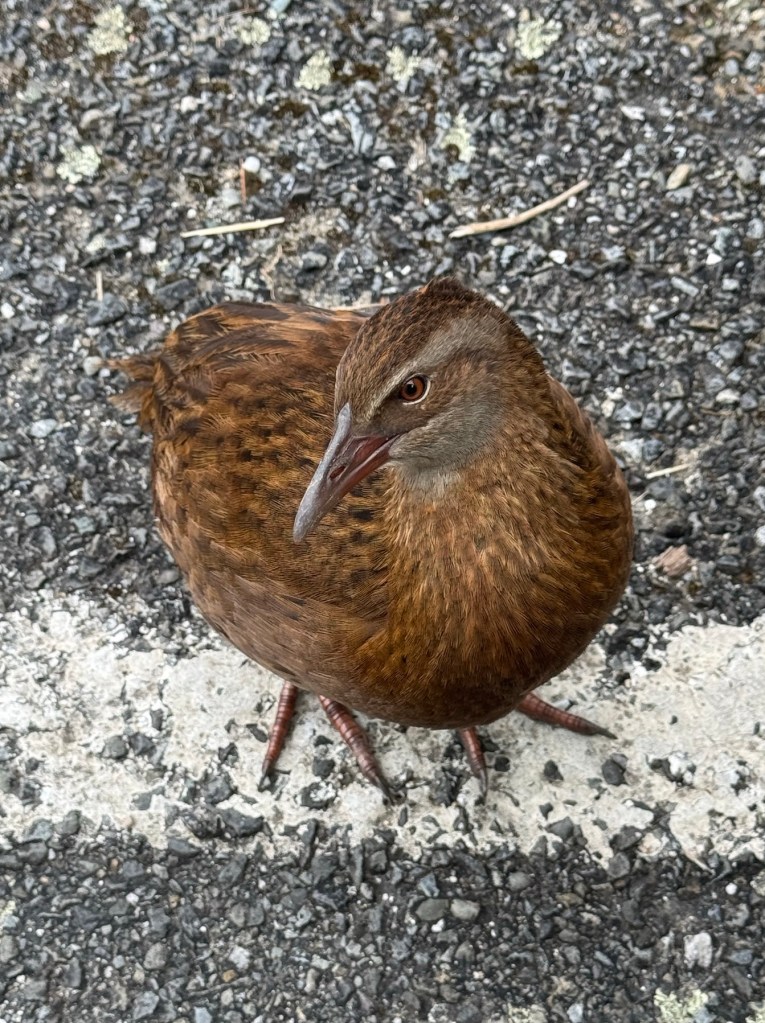
The Weka is a flightless bird, which is endemic to the north and west coasts of the South Island. Wekas, like all New Zealand flightless birds, are endangered due to introduced predators and loss of habitat. They’ve adapted to thievery at campgrounds sites and they’re amazingly fast. Before becoming more vigilant, we lost one garbage bag – they enjoyed the rotten tomato top, but didn’t think much of the tea bag. I have no idea what they’re going to do with the lid to my plastic container, and I did discover caches of candy wrappers and other treasures as I hunted for my lid. Like begging dogs, they learned pretty quickly that we’re not good targets and chose other campers.
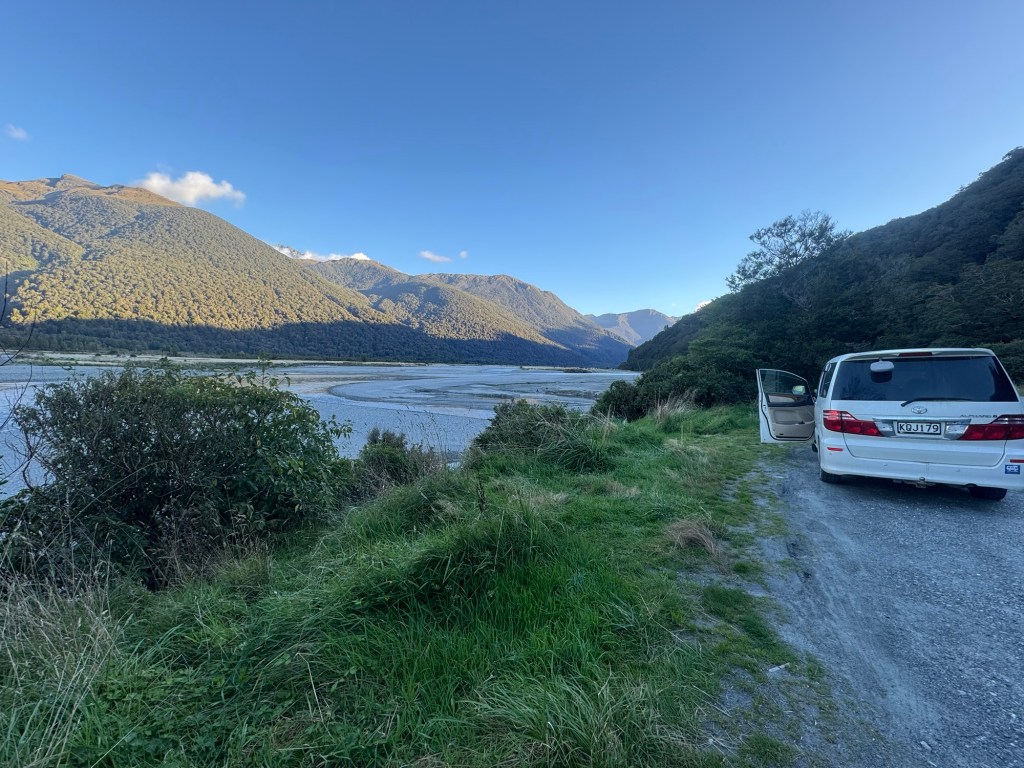
We ended our west coast swing by camping at Camerons Flat Campground towards the summit of the Haast Pass.

What’s Next
We head to the interior cities of Queenstown and Wanaka, then to the southwest and Milford and Doubtful Sounds.

 Sailing Tieton
Leave a comment