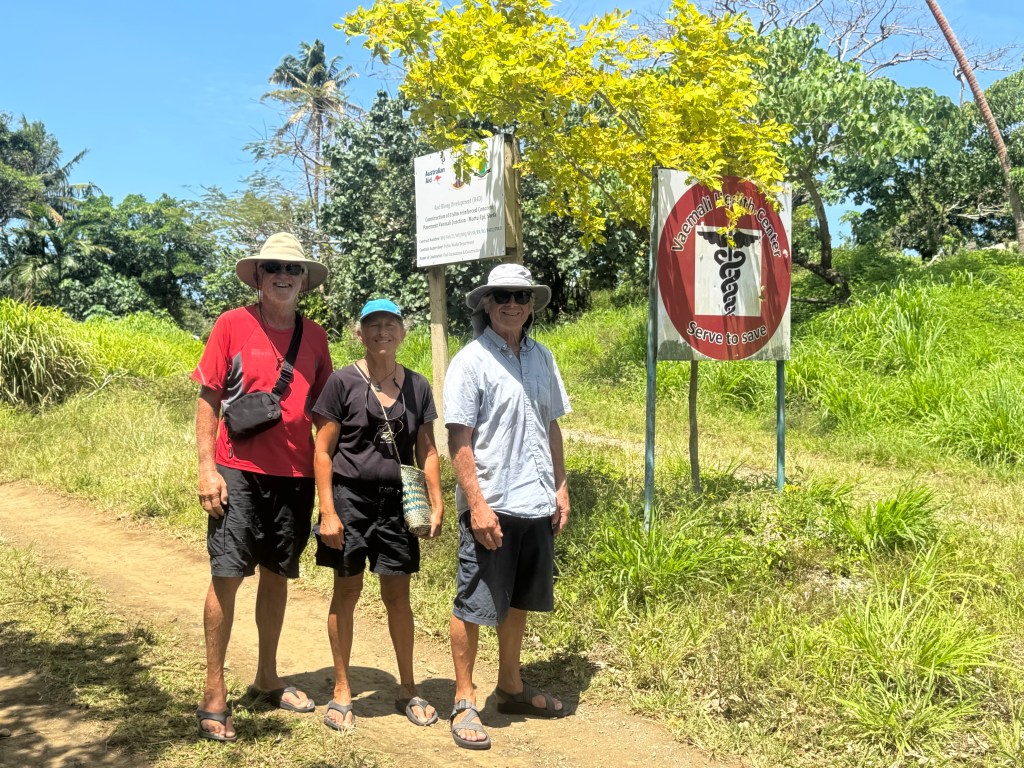
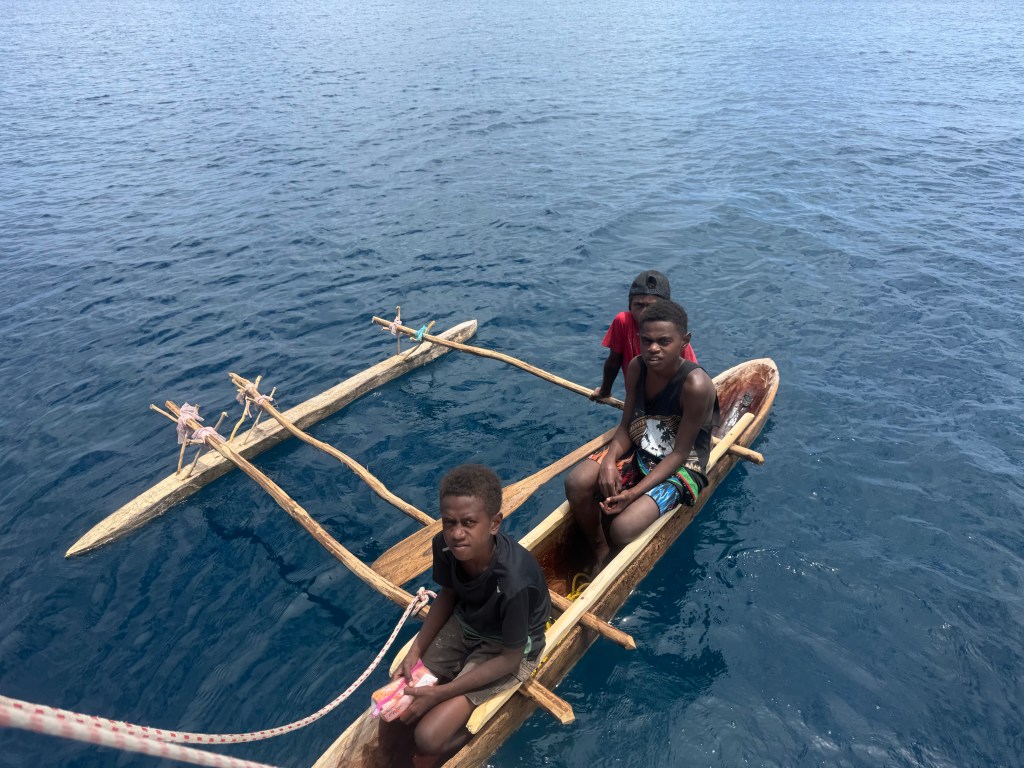
After over a month in Vanuatu, we can confidently say that the Ni-Vans (people of Vanuatu) are one of the best aspects. Without fail, each village we’ve visited has been friendly, welcoming, and most expressed sadness to see us go. Traveling with Robyn and Mark has enhanced our experience, because in additional to their excellent company, they also speak Bislama fairly well which Ni-Vans especially appreciate.
Luganville
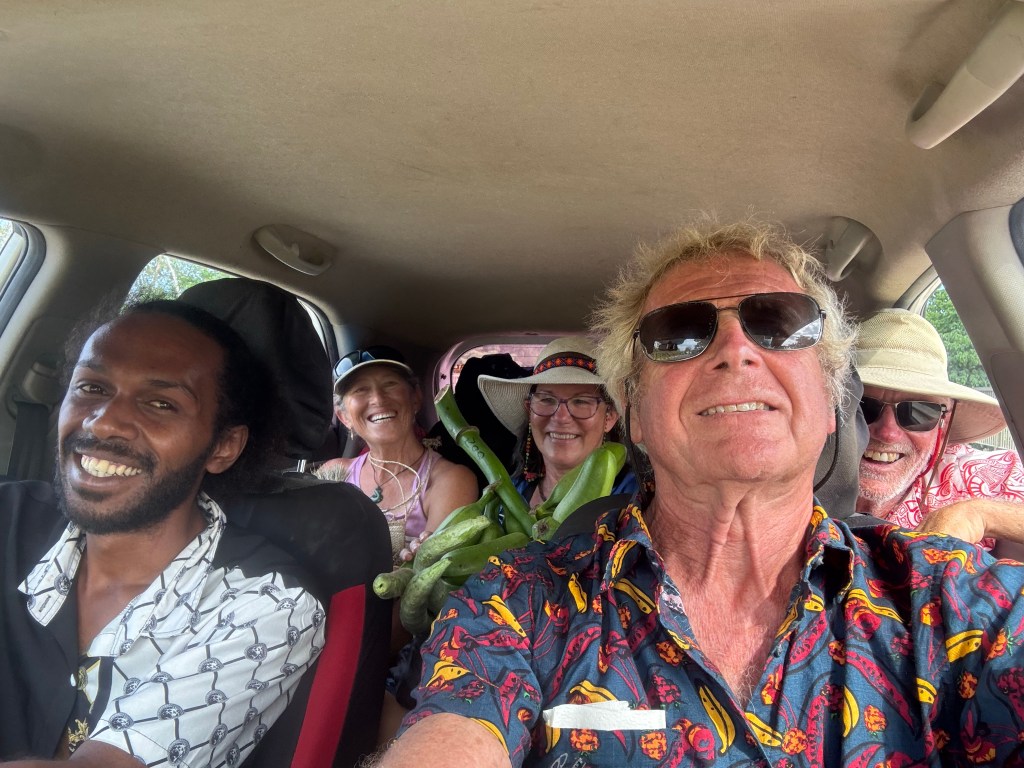
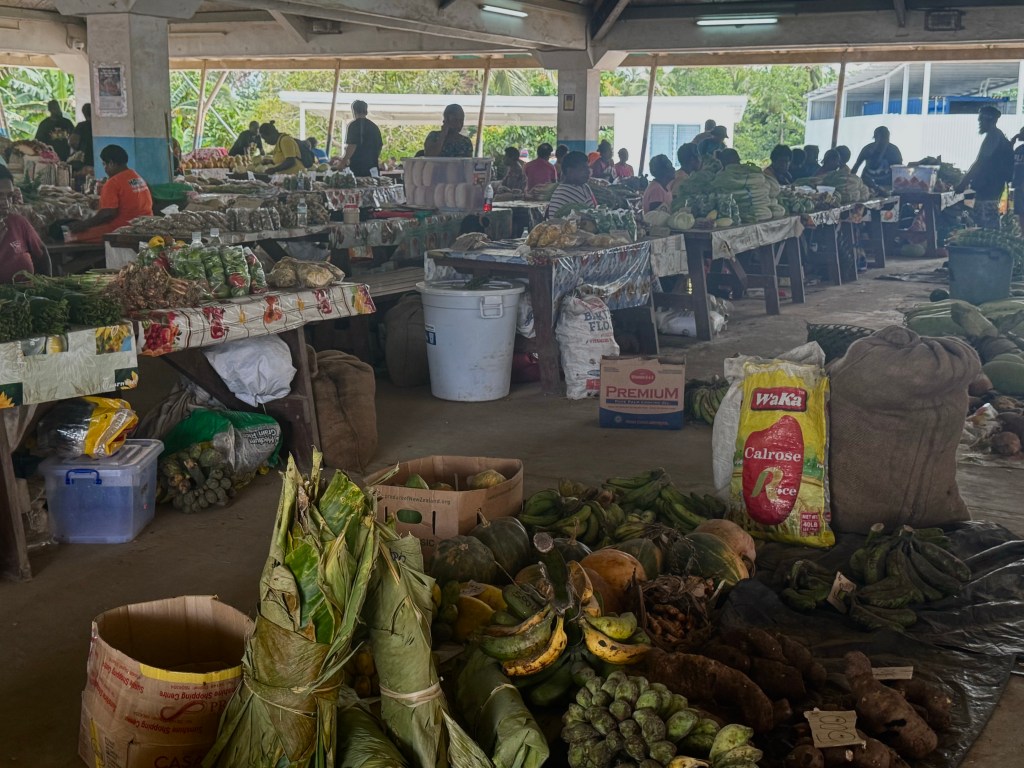
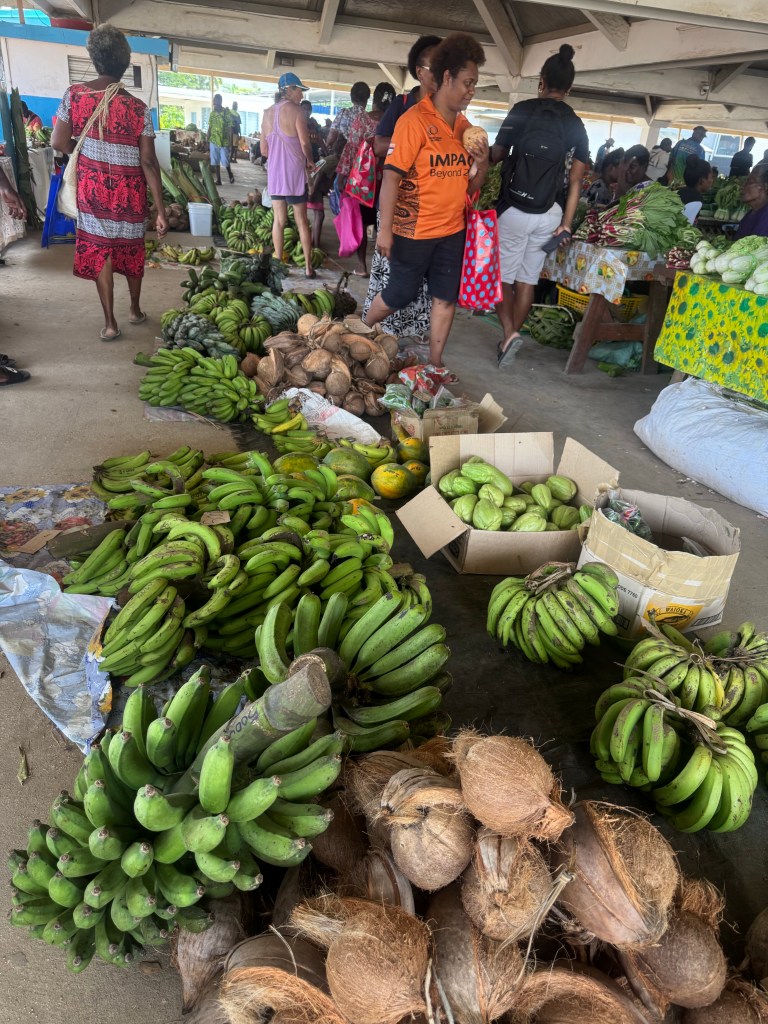
We did visited the farmer’s market and picked up laundry on our last day in Luganville. Someone said that Luganville has more taxis than people, which many people use instead of owning a car. Fitting the four of us plus our market purchases and laundry was quite the accomplishment.
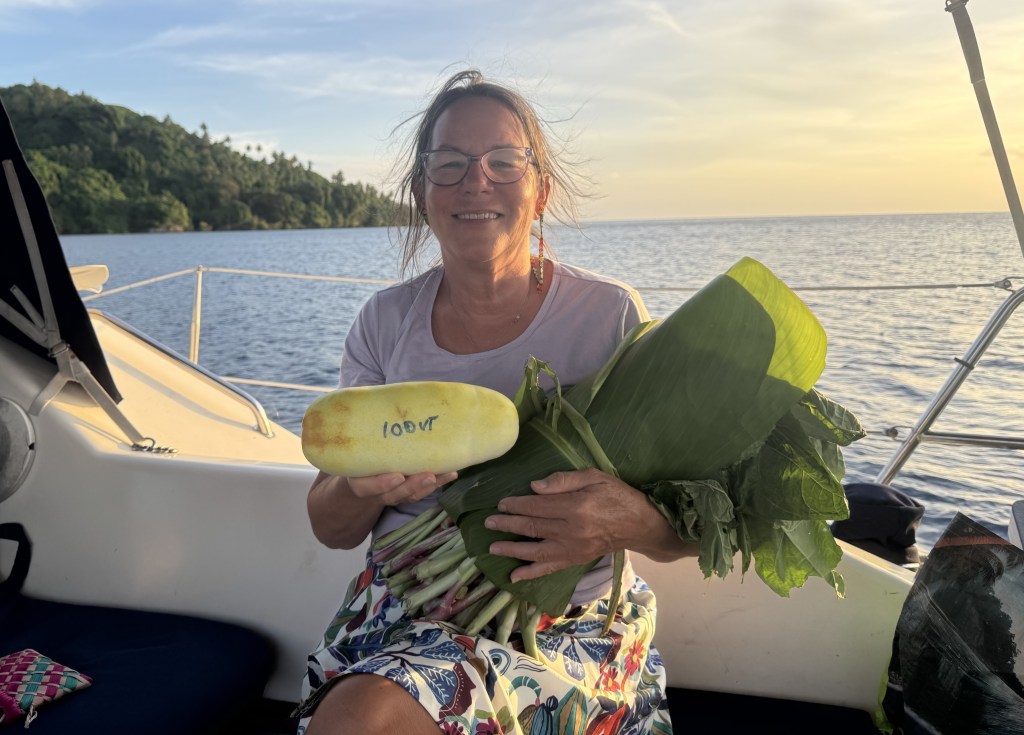
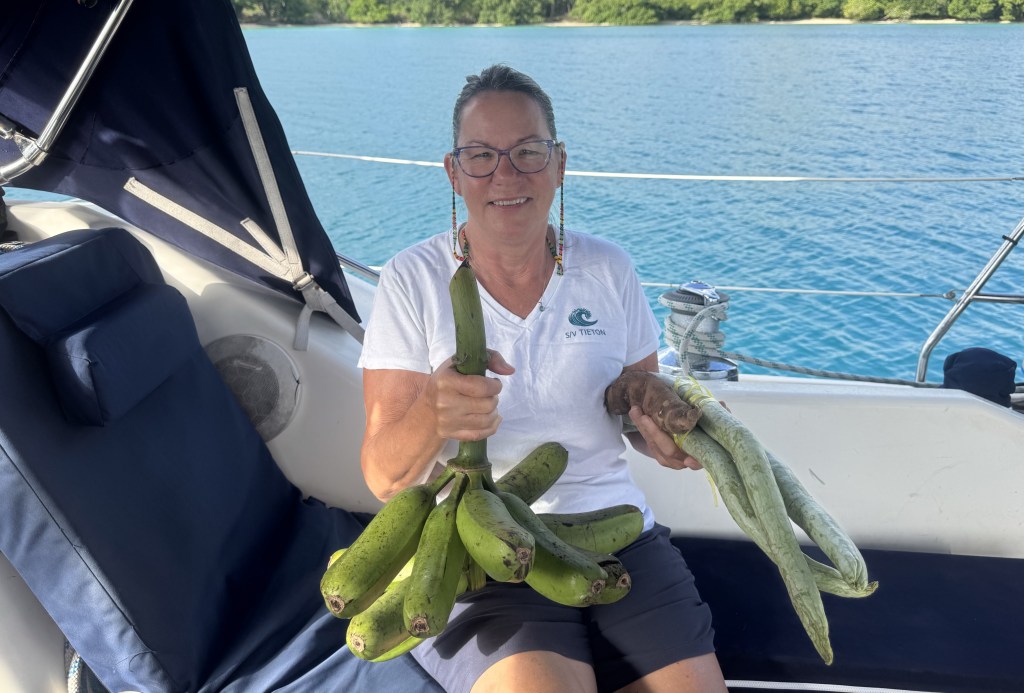
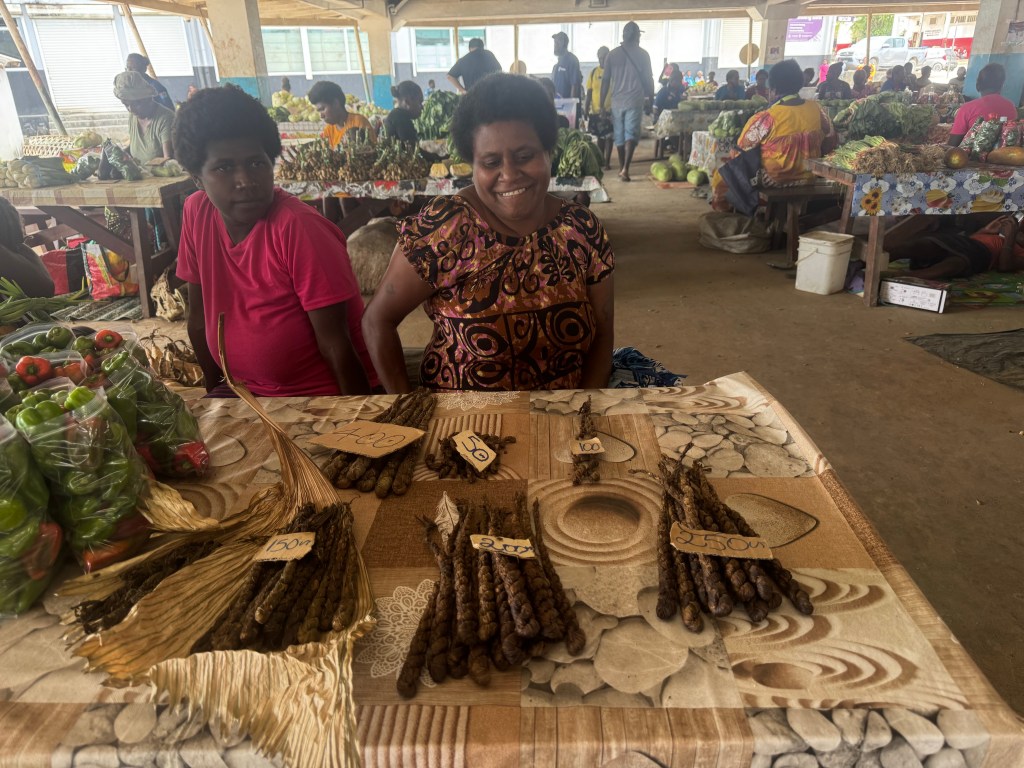
The produce prices continue to astound me, because I can’t imagine how a woman can feed her family, when she’s selling a bunch of tomatoes or bananas for 100 or 200 vatus (US$0.90 or $1.80). Bananas, plantains, snake beans, and island cabbage are sold only in quantities feed a family of ten. It has been fun figuring out how to cook produce that is new to us. We’ve discovered: snake beans are like green beans when cooked or celery when raw, plantains/cooking bananas are like potatoes when green or bananas (cooked) when ripe, and island cabbage is like a slimy spinach when cooked. Everything is better with a little fresh coconut water or cream. Yum!
(100 vatu each)
(100 vatu each)
(Not Purchased)
Aisairi Bay
We waited out a couple of days of windy weather at Aisairi Bay on Aore Island. It was nice to have company to share coffee, games and meals during the wait. We were nestled behind a reef and enjoying watching the cattle come for water at low tide. Because the property was owned by individuals and no village was nearby, we didn’t go ashore. On our last morning there, I was excited to see a turtle, but on closer inspection discovered that it was a black-tip shark.

Uri Village, Malekula Island
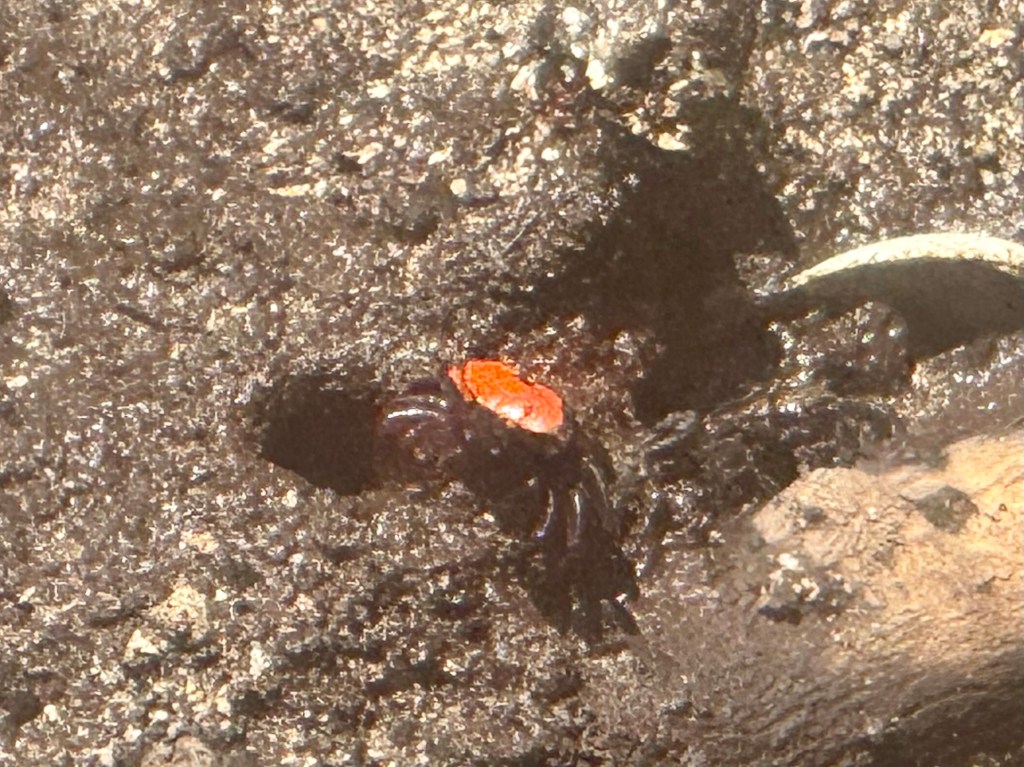
Our next destination was Uri Village near Port Stanley on Malekula Island. Uri Village is nearly at sea level, and we walked on an elevated walkway with estuarial mud on both sides. As we walked, village children gathered and began showing us fiddler crabs and other creatures. At the village we noticed that people were sitting on elevated platforms.
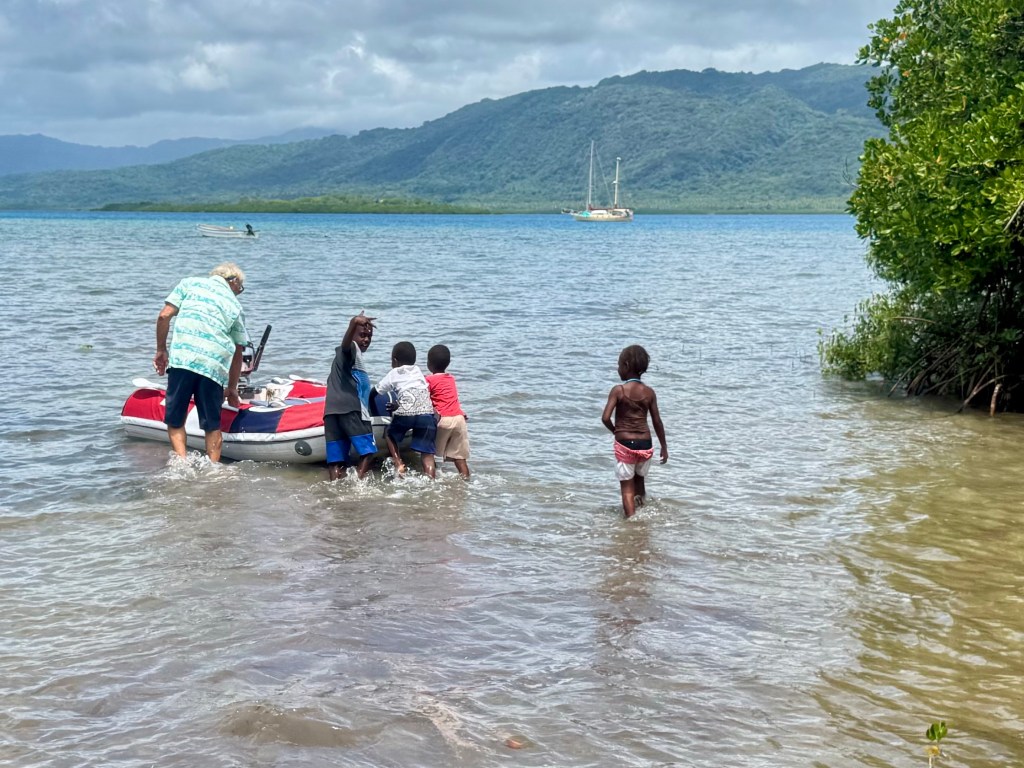
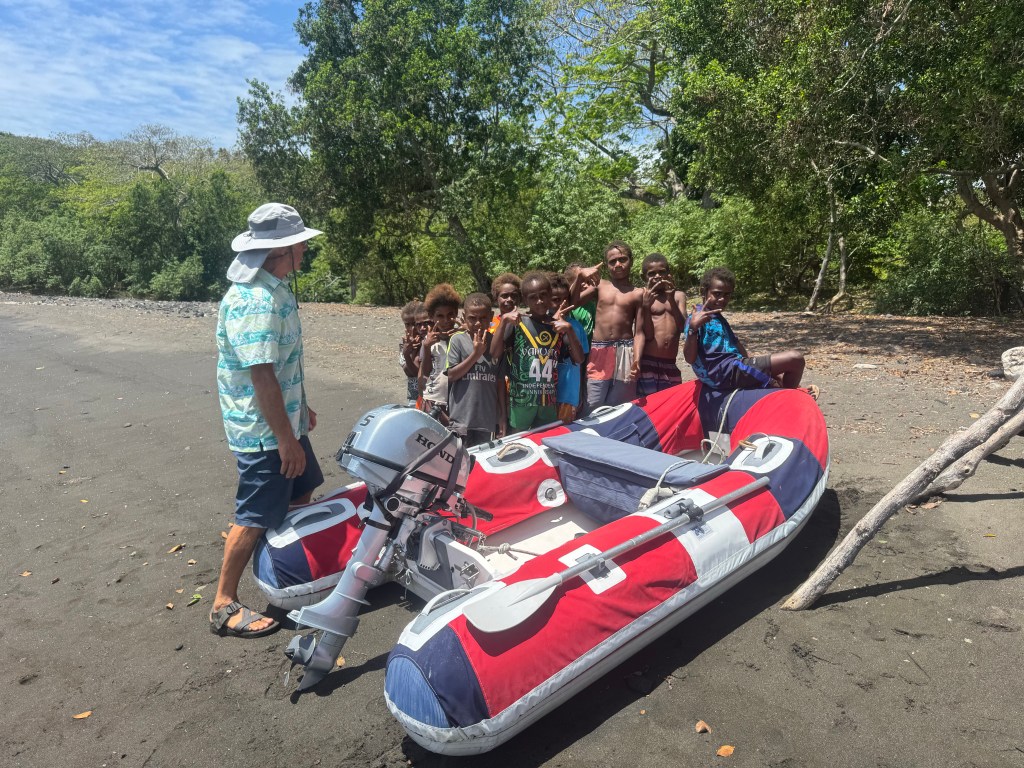
We met the chief and received his welcome to swim in the bay. The previous night, Robyn had arranged to trade for some vegetables, and the children led us to the woman’s house. We then returned to our dinghies where the children enthusiastically helped us get our dinghies back in the water.
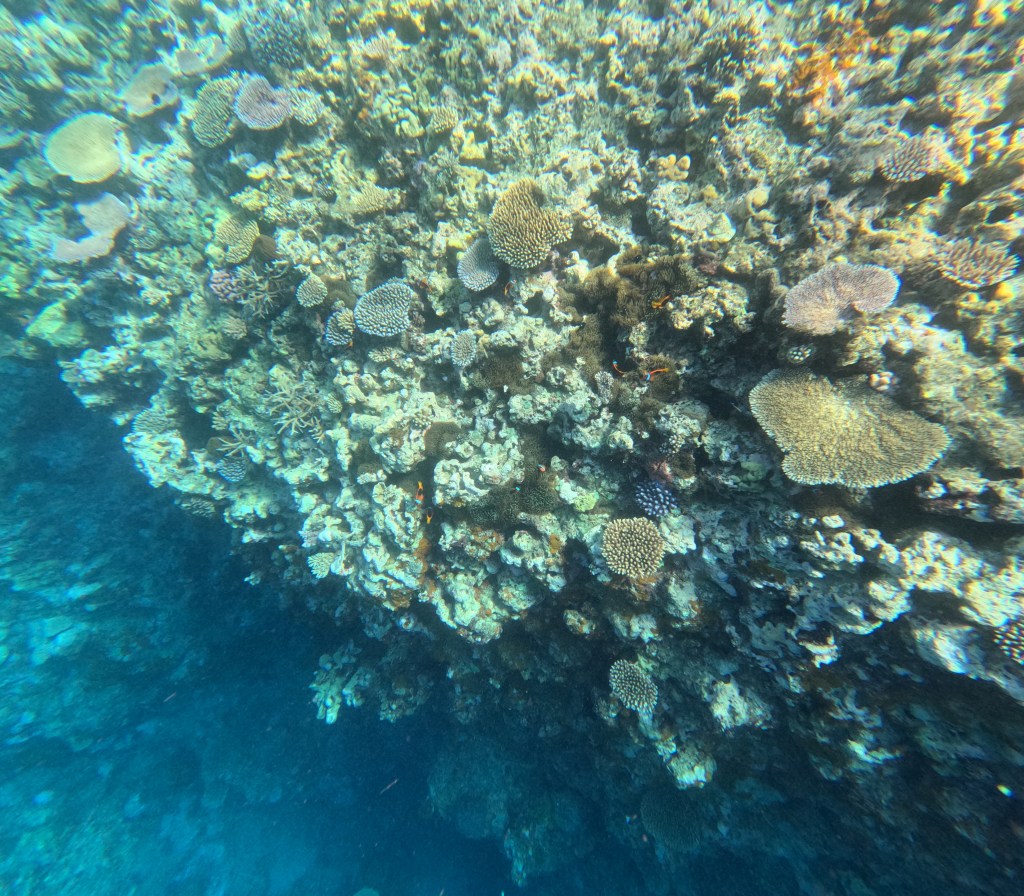
Uri Village Bay is a turtle sanctuary and we were excited to see a few turtles as we dinghied back to Tieton. We snorkeled in what seemed like exceedingly warm water and not surprisingly saw a lot of dead coral and no turtles. I suspect they were on a reef further out in cooler water.
Port Sandwich, Malekula Island
Lord Sandwich was a captain in the British Admiralty who didn’t like to leave the helm, so his crew bought his bread and meat to him at the helm. Sandwich would take the bread and put the meat in the middle, creating a combination now known as a sandwich. It was lovely to arrive to sheltered Port Sandwich after a spicy sail topped off with a squall at the end.
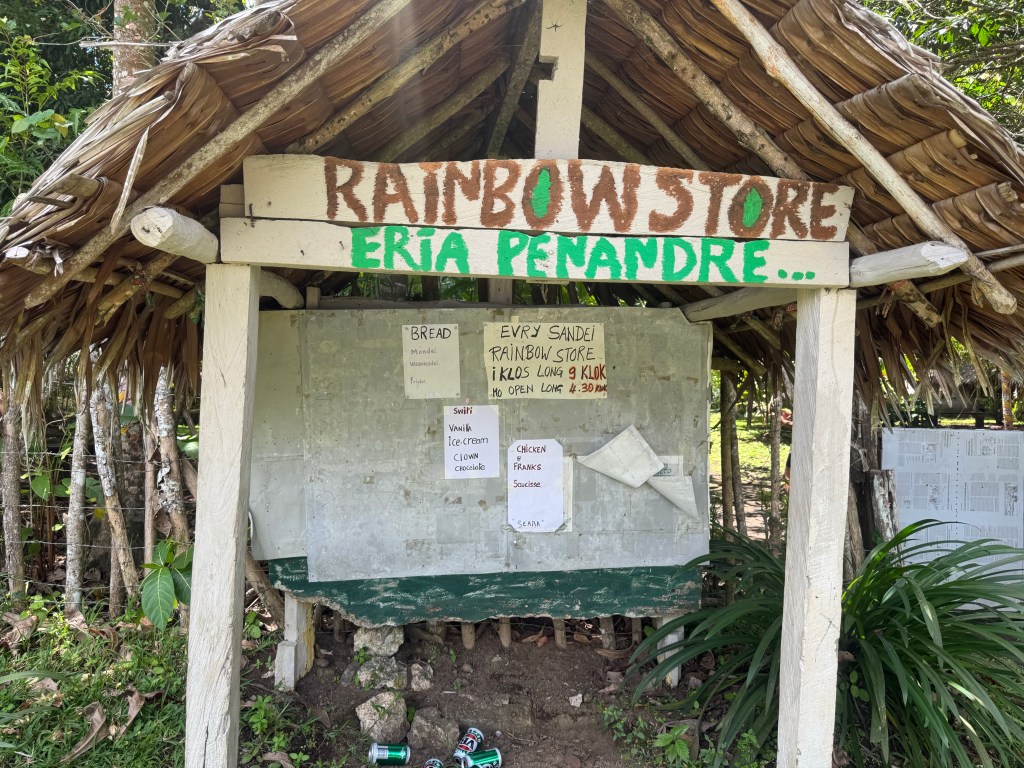
The French-speaking locals welcomed us and the proprietor of the Rainbow “store” recommended we walk to the other store about 2 km (1.25 miles) away. Along the way, a few vehicles passed us, which is remarkable given the state of the road. Although the store was closed for lunch when we arrived, we still enjoyed our walk and interactions with the students walking home for lunch.
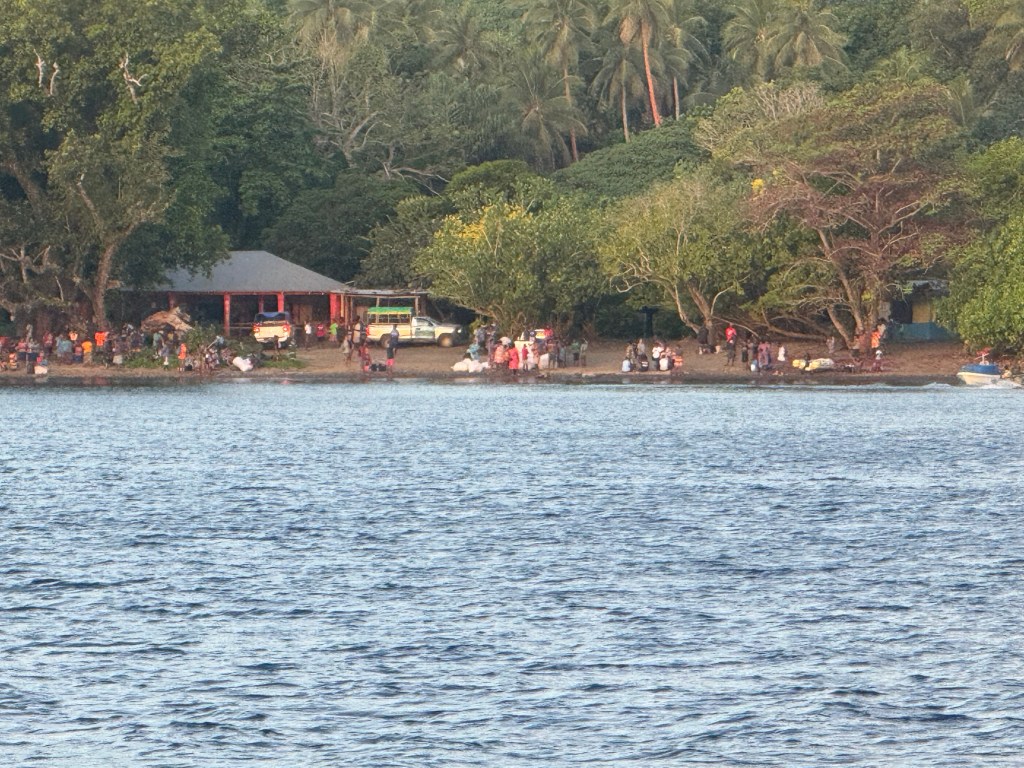
Later that day, a supply ship arrived, using what Herman calls a RORO (roll on, roll off). It was quite the social occasion with boats and trucks coming from around the bay prior to the ship’s arrival. Upon arrival, everyone gets to work with friendly shouting and much laughter.


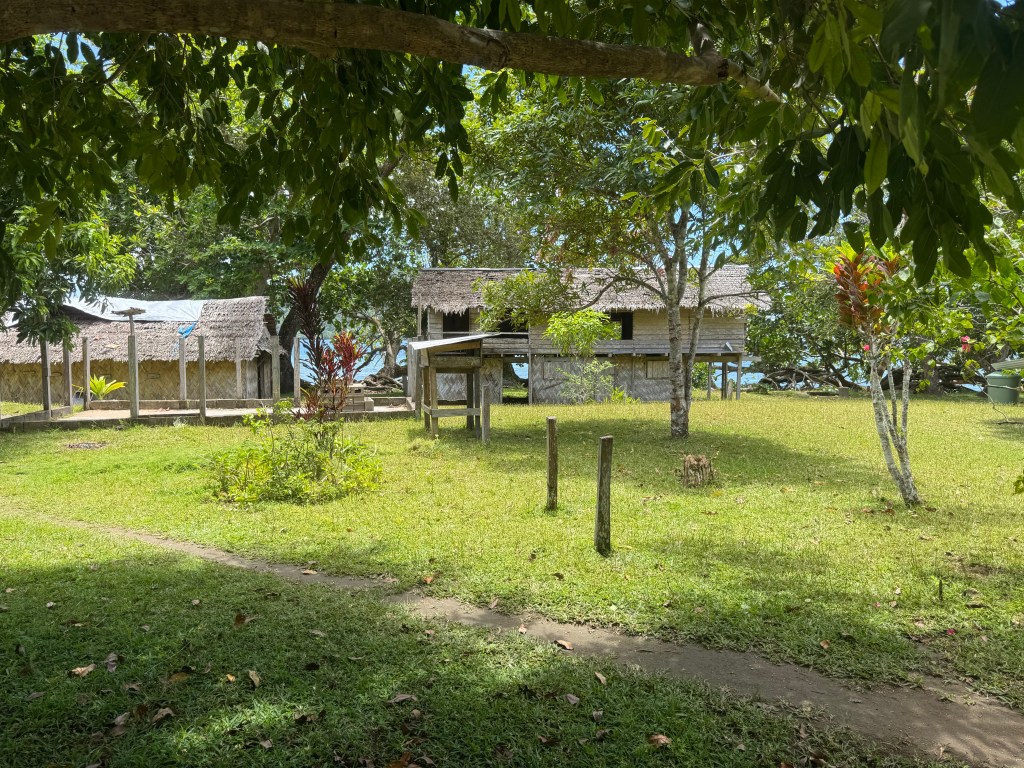
Lamen Bay, Epi Island
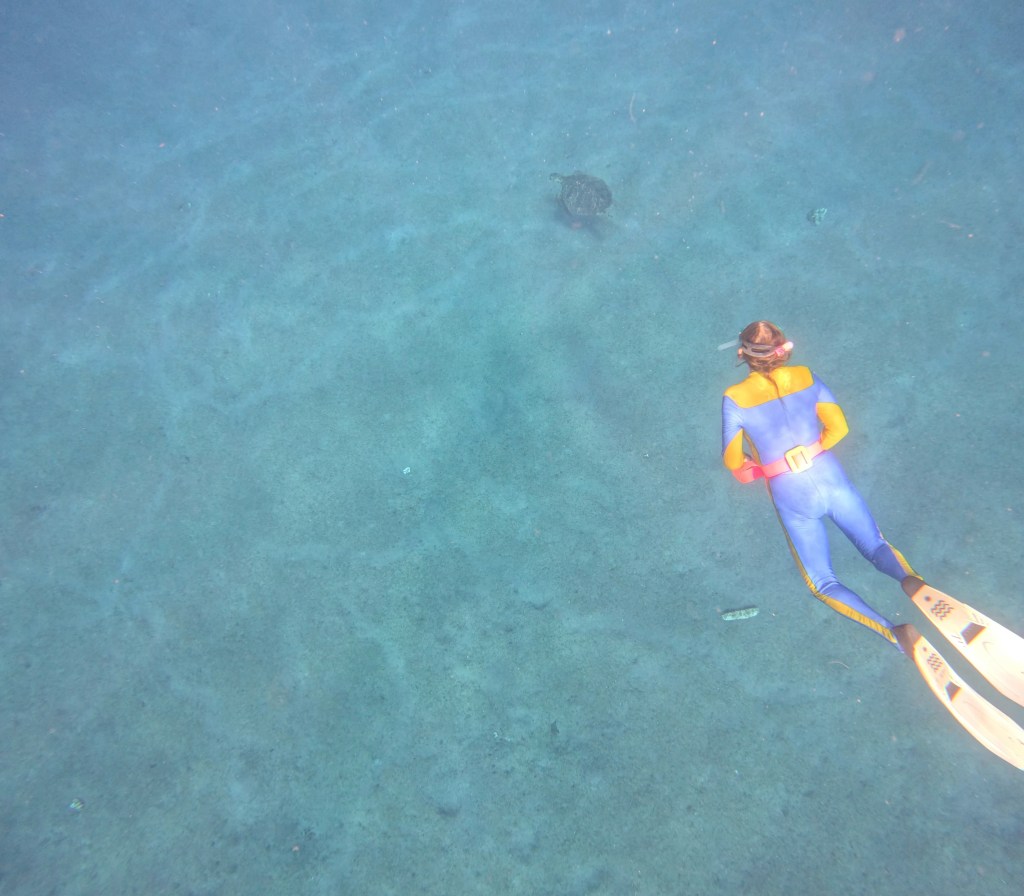
Lamen Bay on Epi Island was one of our favorite anchorages. Known for its turtles and dugongs, we were thrilled to be greeted before we set our anchor. We wiled away our time at anchor watching the turtles surface and counting their breaths – usually three, sometimes nine, and if we pulled out a camera, they’d dive immediately.
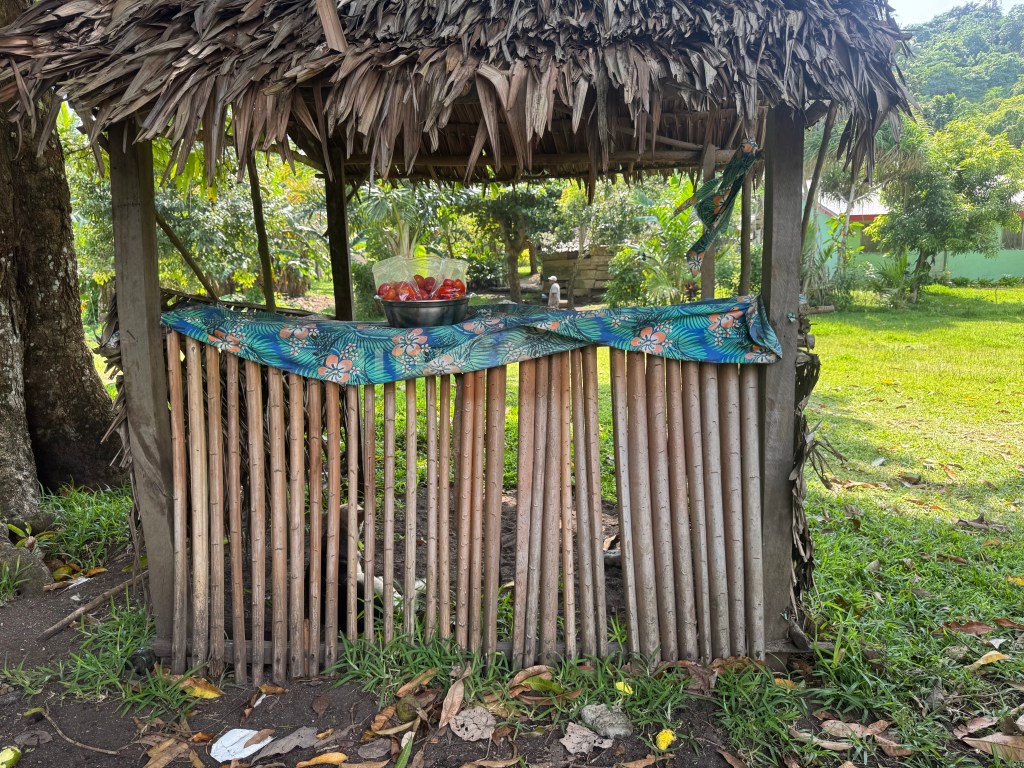
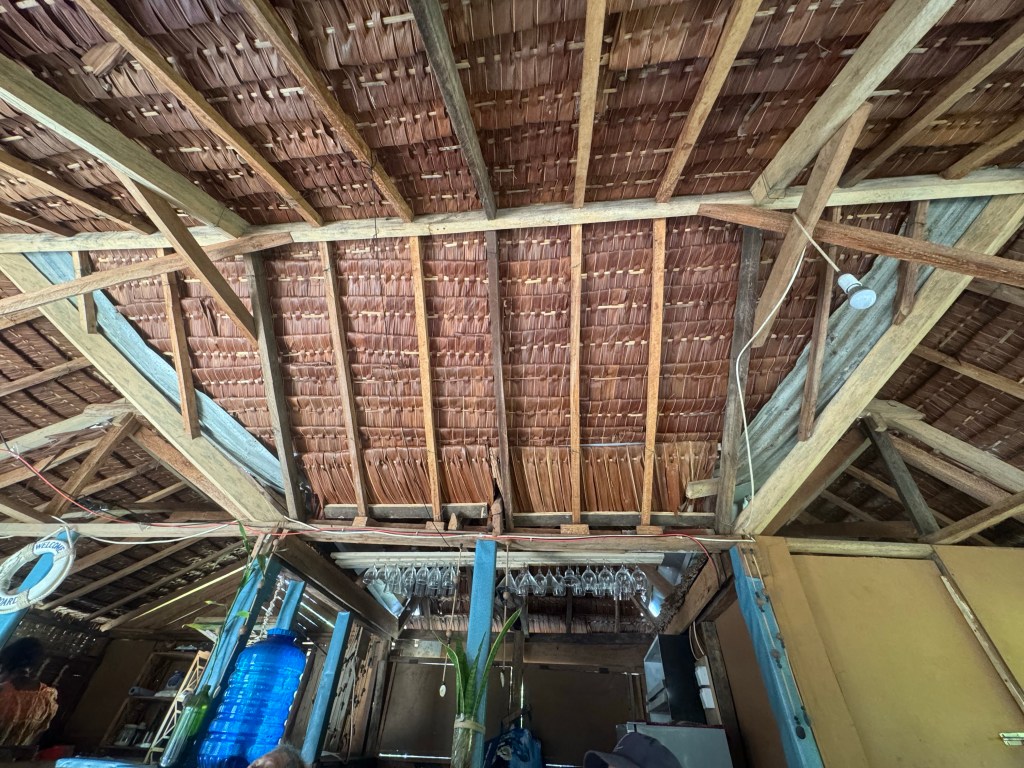
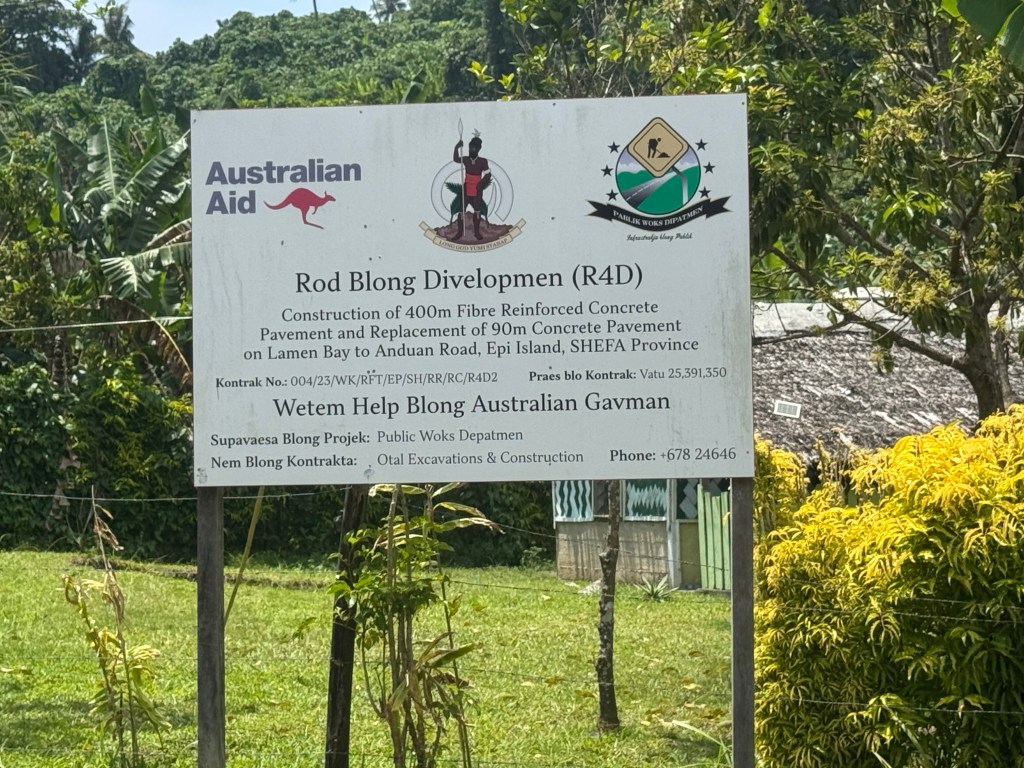
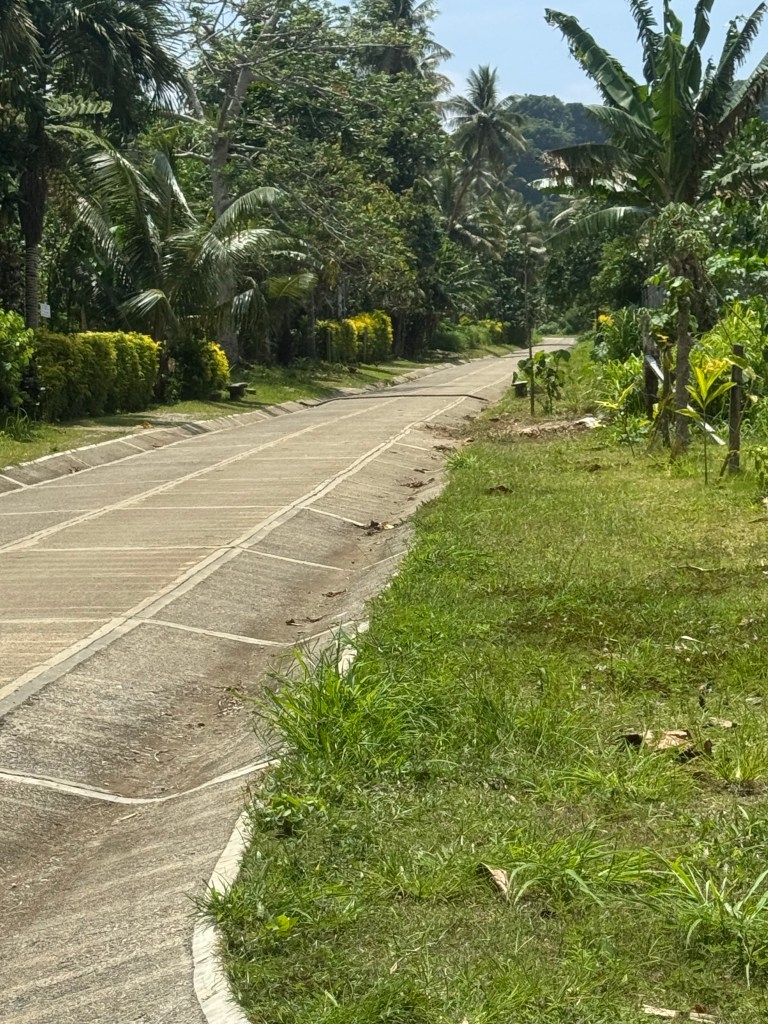
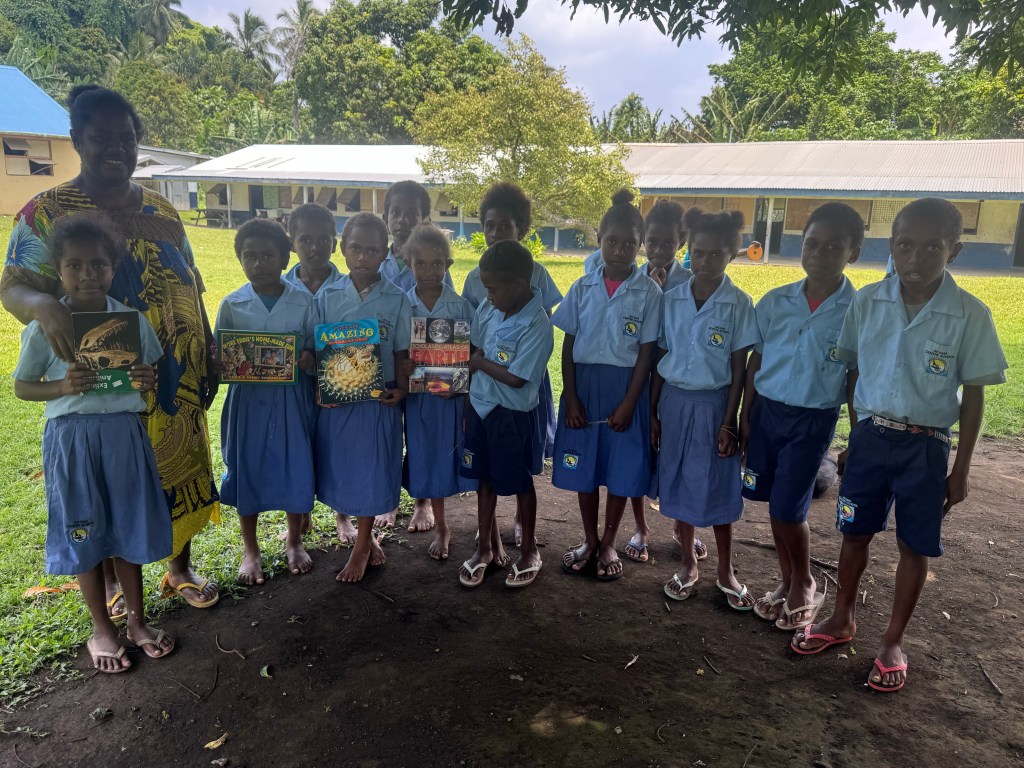
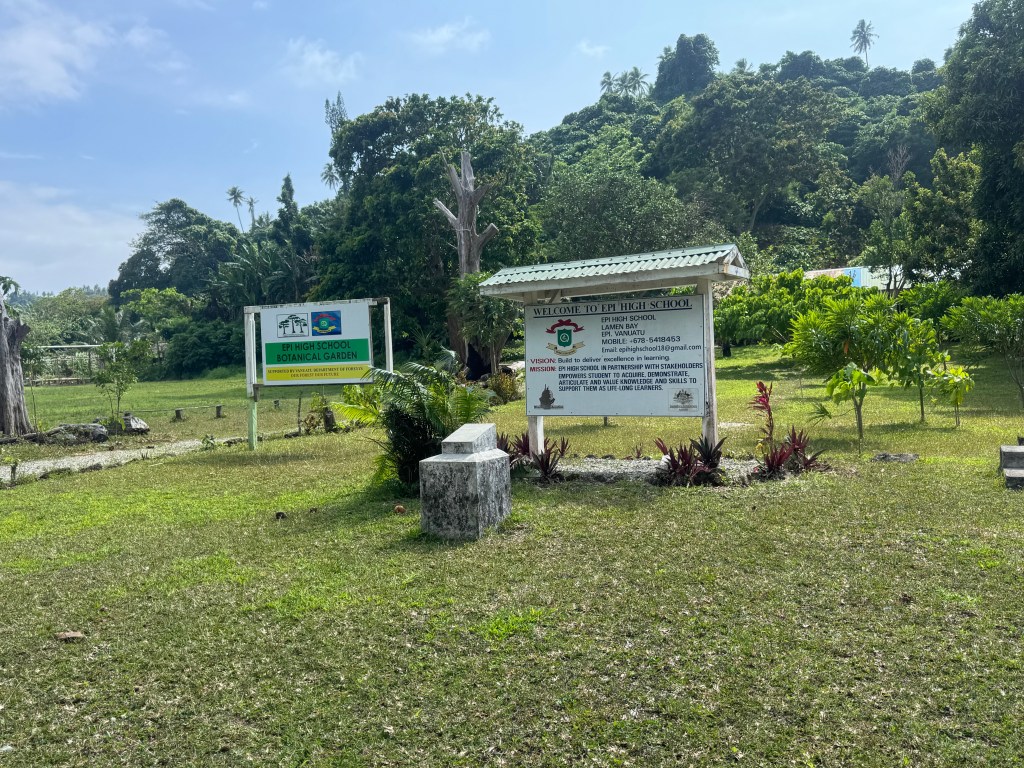
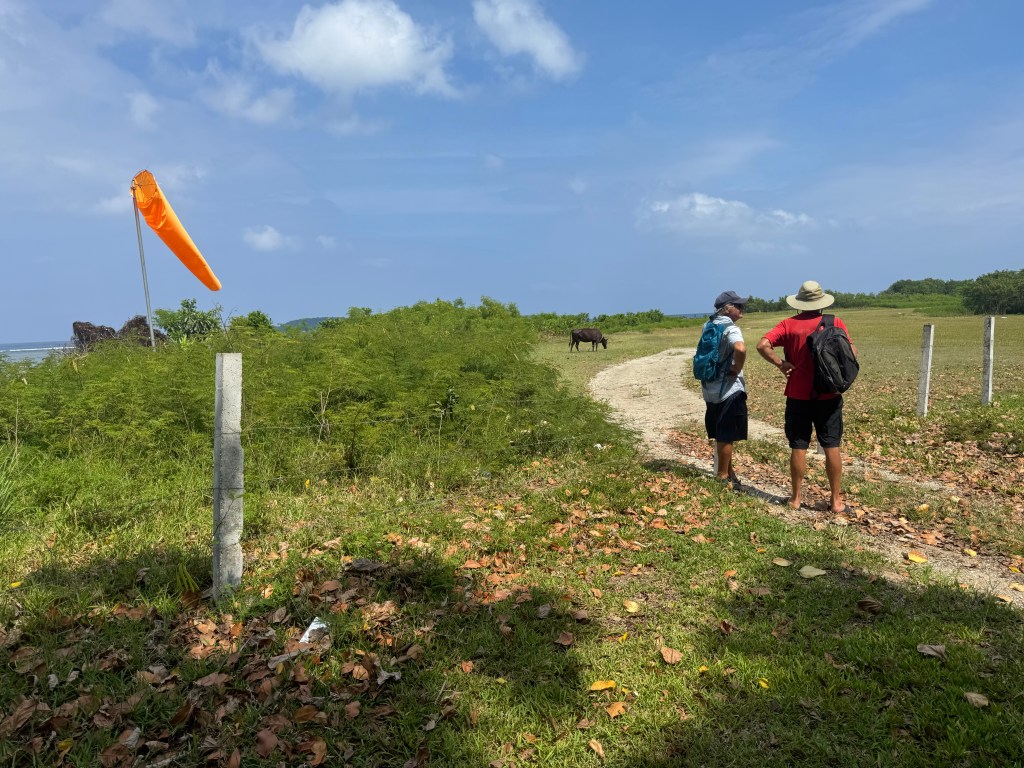
We started by going into the village: coffee at Sanda’s restaurant, a walk to the airstrip, stopped by the high school, bought tomatoes at a roadside stand, and then delivered books to the elementary school. Each is a story in itself. Miriam built Sanda’s restaurant herself, including weaving roof and walls. At the airstrip a cow was on the runway, and we hoped they cleared it before the weekly plane landed. The high school students were welcoming and the school secretary hand drew a map to the elementary school. The mostly shy elementary students are excited to practice their English. We learned that the teachers have been on strike since the previous July, and the acting principal is working with uncertified staff to run the public school. During our stay the supply ship arrived to the typical bay gathering, with some merrymakers continuing late into the night.
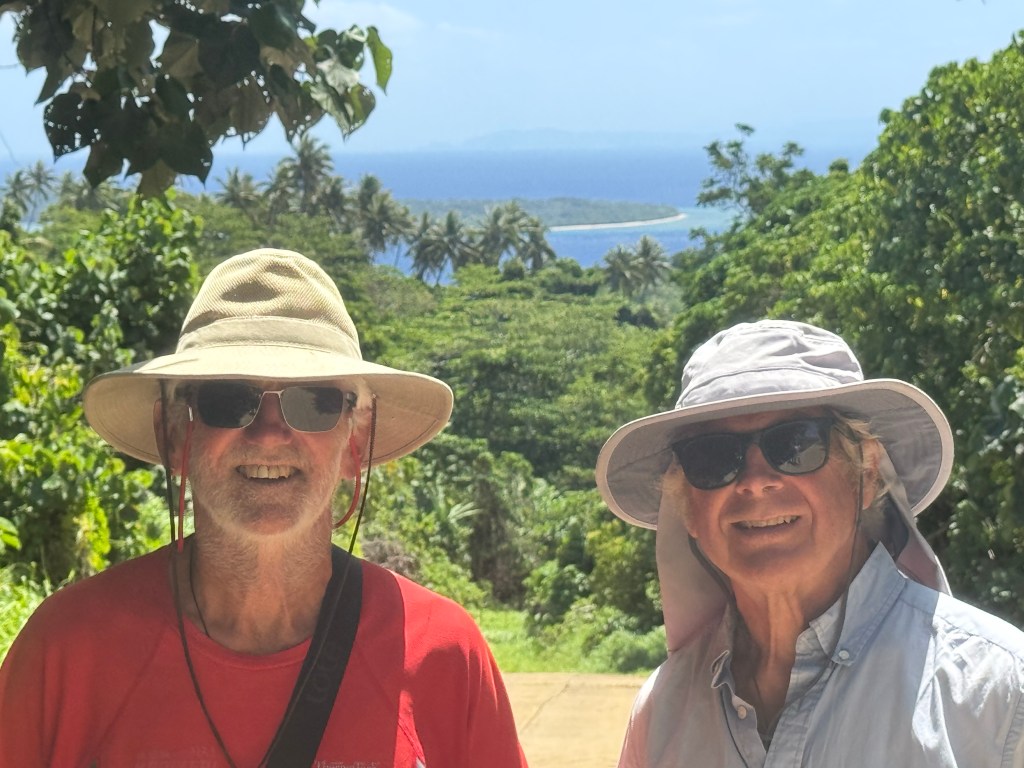
Later than day, we took the dinghy to the coral reef to snorkel, and amongst the colorful coral Mark spotted a cuddle fish that we watched for about 15 minutes. We decided to snorkel back to our boats and that’s where we found turtle tracks and countless turtles! From that point, we snorkeled two or three times a day, mostly near our boats. Interspersed were kayak rides, walks in the village, and shared meals.
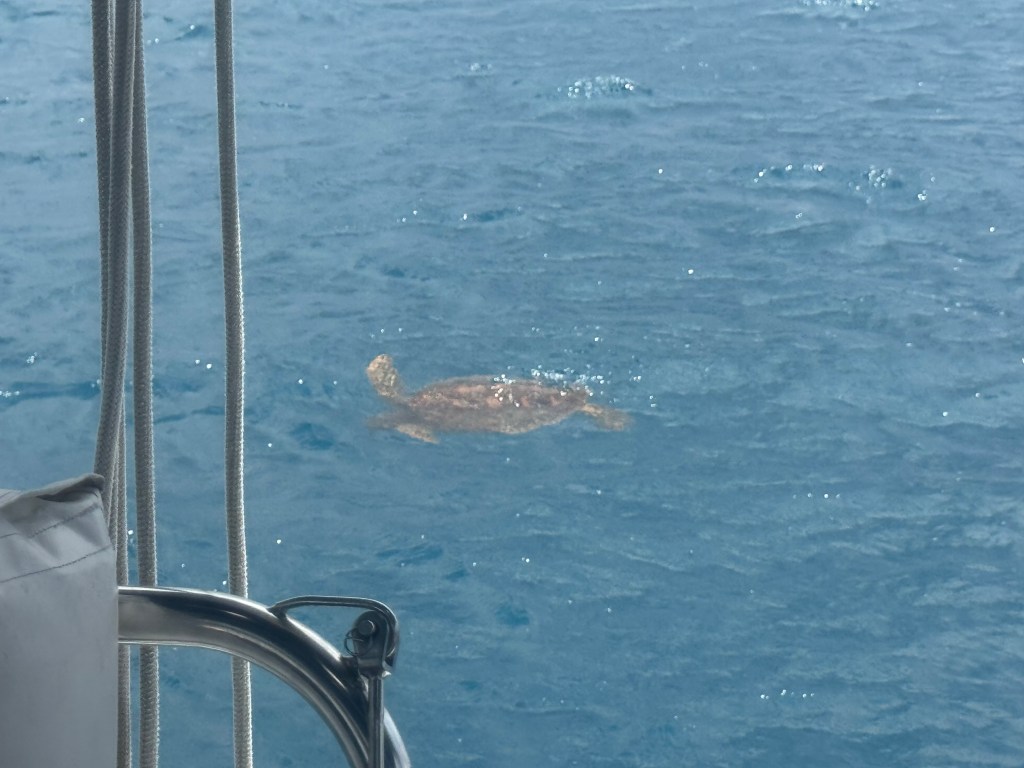
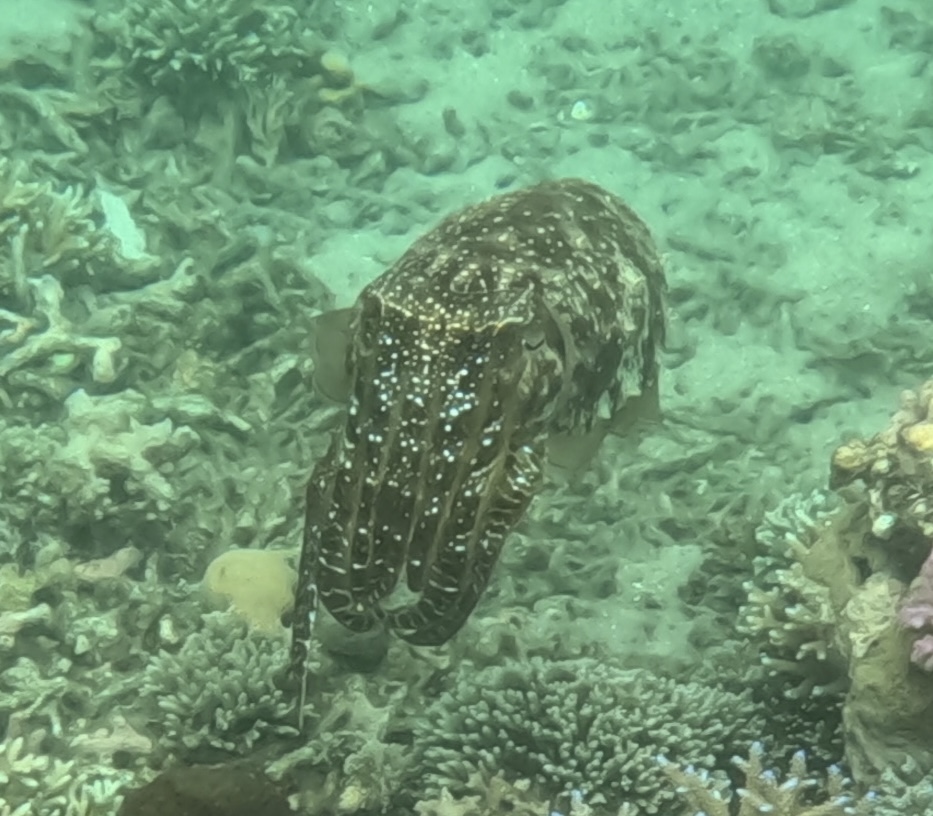
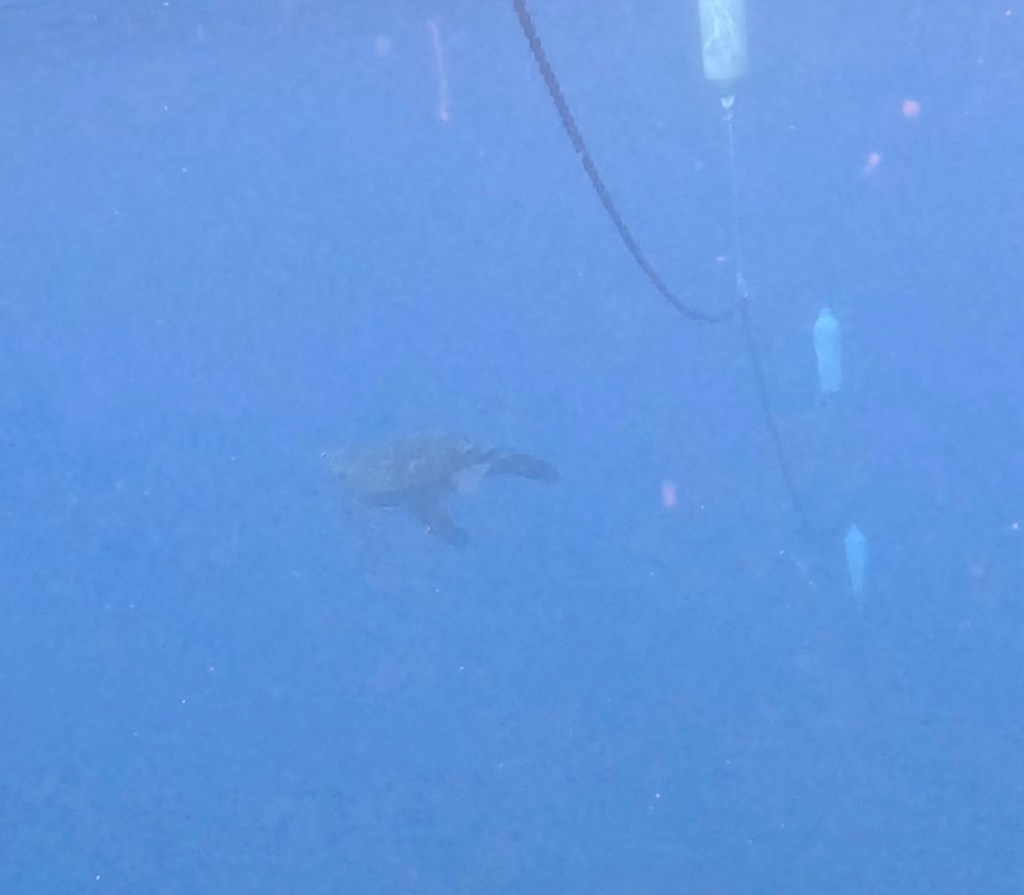
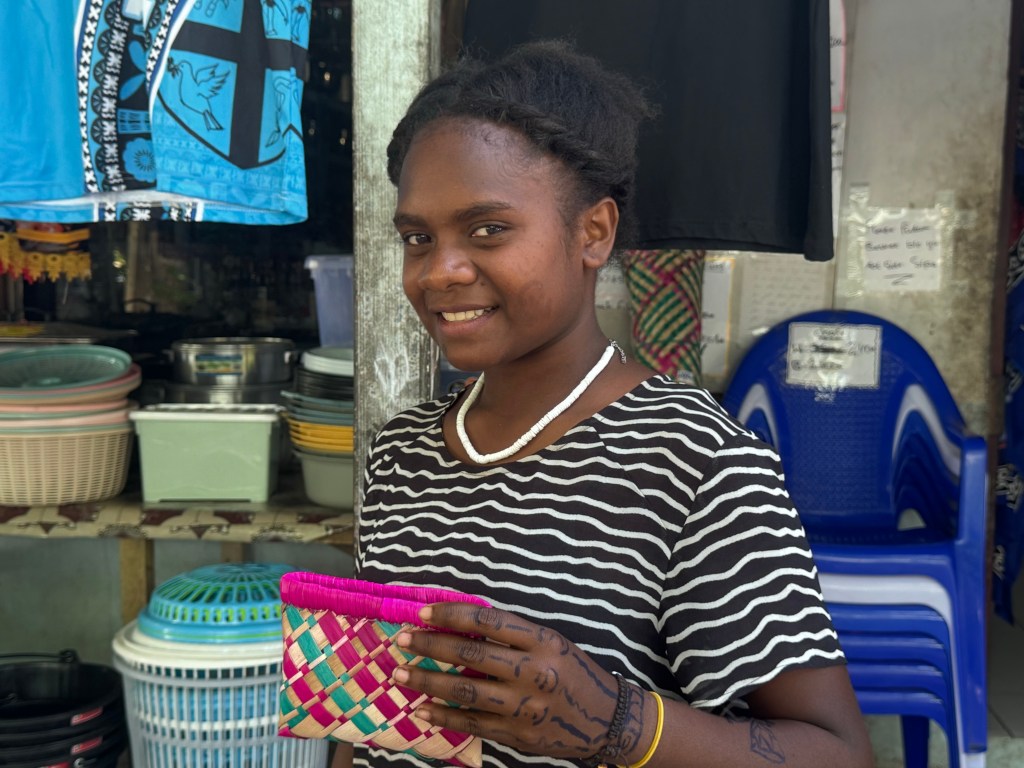
Robyn had some nangae nuts they’d gotten in Espíritu Santo that they hadn’t been able to crack. We stopped at Estha’s store and Robyn asked Estha to show her how to crack the nuts. Estha stepped outside and for the next 45 minutes cracked nuts with us. Maria, Estha’s 14-year-old niece, stopped by and we discovered that she’d weaved items that were being sold in the store. I will cherish Maria’s coin purse and was happy to support her beautiful work for 600 vatu (less than $6). Robyn weaves so she arranged to have Maria show her technique a couple days later.


Foreland Bay, Epi Island
We sailed two hours to our next anchorage where we had a couple lovely snorkels. Once again the best part was the people. As we wandered toward the chief the children gathered around us. The women were dressed in their Sunday best for their market. Of course, the kids helped us get our dinghy back in the water.
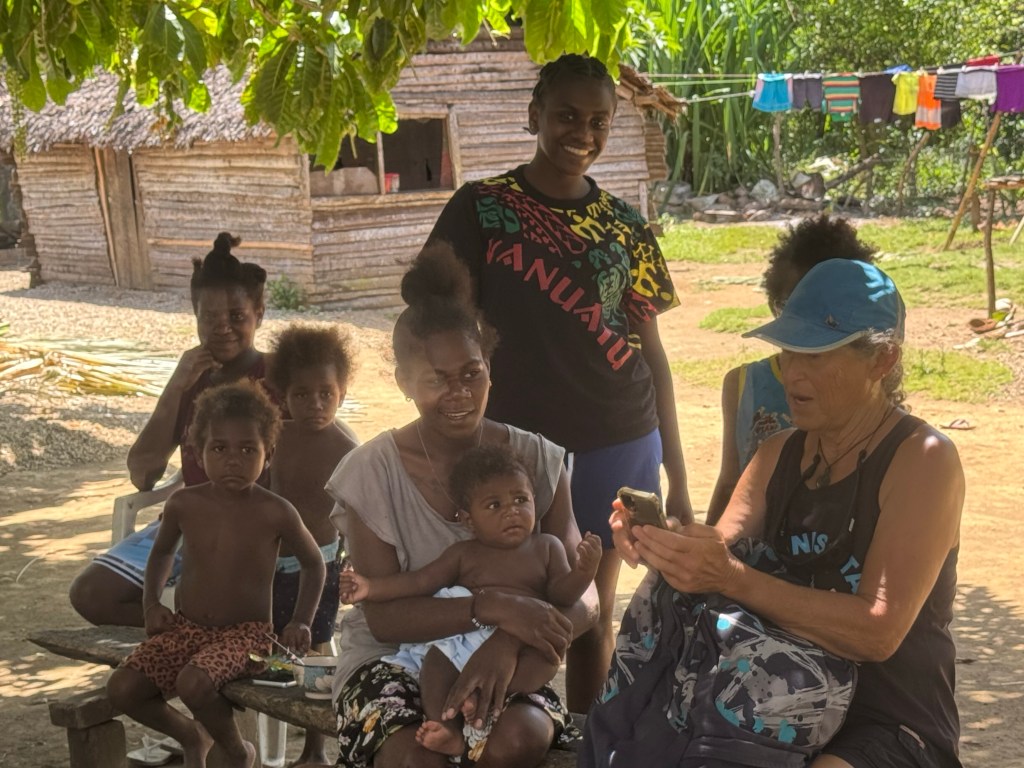
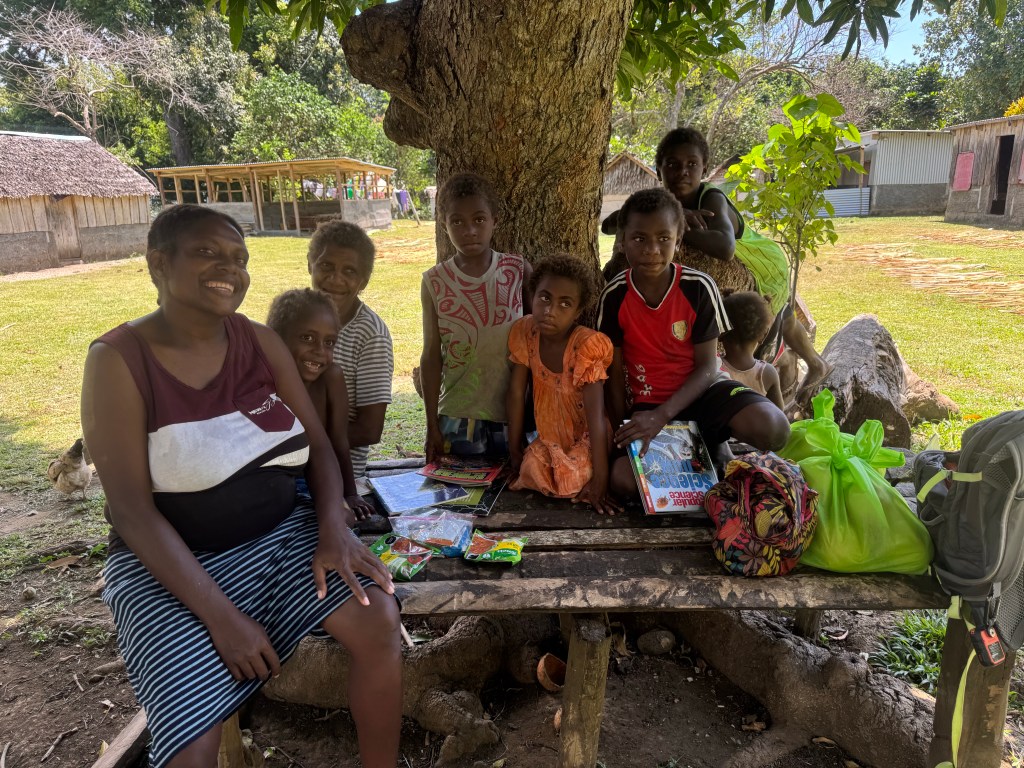
The next day (Saturday) we stopped at the village across the way and arranged to trade for some bananas, plantains, and papayas. We walked a mile to another village and made arrangements with a pregnant woman to trade for pamplemousse (sweet grapefruit) on our return. We learned that on Saturdays most villagers were tending their gardens up the mountain, which is why we saw only pregnant/nursing women, elders, and young children. We chatted with a lovely extended family and gave them some soup mix, plus a snorkel and swim goggles the children received with glee. They gifted us bananas and pamplemousse.
On our return, we stopped to pick up our pamplemousse and gave the family books, snacks, and soup mix. Such sweet interactions with lovely people 💕



What’s Next
Fittingly, we departed Epi Island accompanied by a pod of dolphins, which was a delightful way to start our daylong sail to Efate Island. Efate is home to Port Vila, Vanuatu’s capital, where we’ll visit and provision for the remainder of our stay in Vanuatu and return passage to New Zealand.


 Sailing Tieton
Leave a comment