After leaving La Paz, we sailed slowly and motored through the first night, seeing two tankers. The second night we came within three miles of a cruise ship destined for Cabo San Lucas. I wondered if any of the passengers saw the very small sailboat on the water, because Tieton sure felt insignificant close to that huge lighted ship.
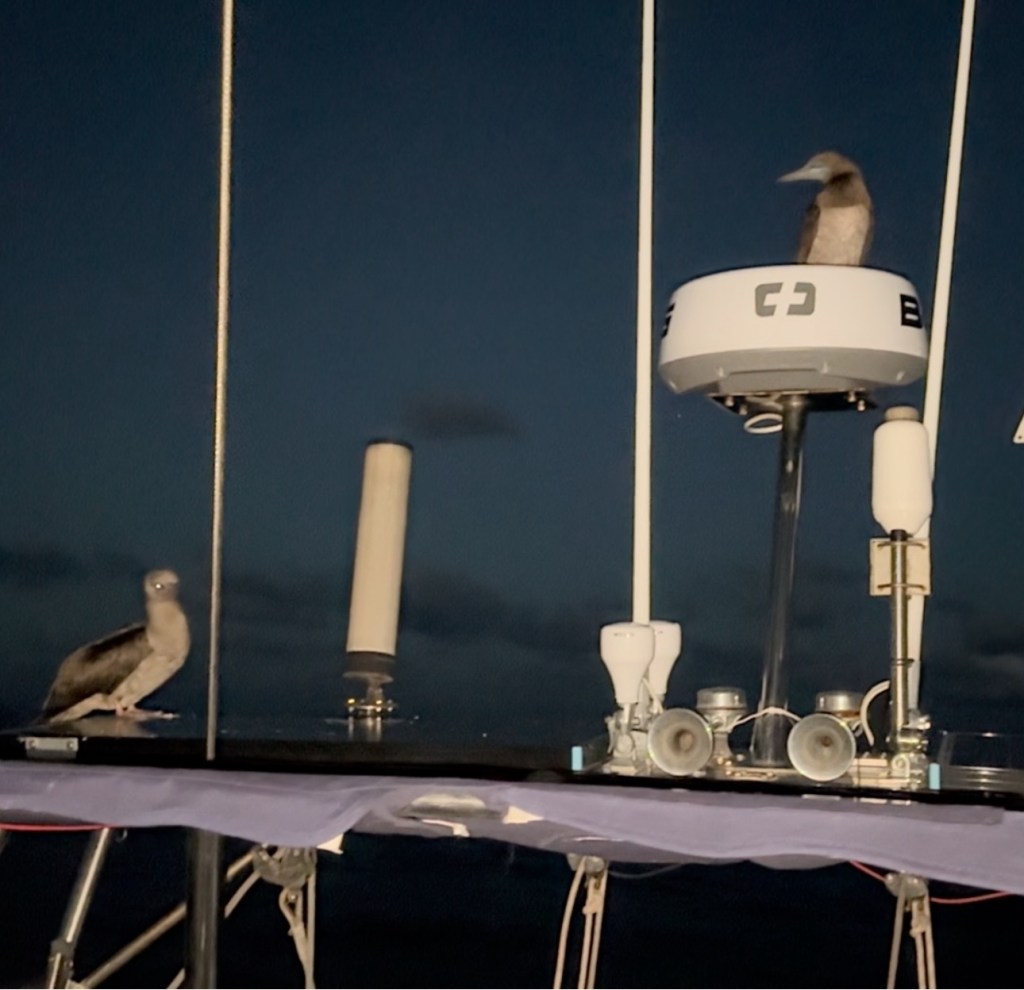
Our third day of the crossing we got such great wind that we needed to reef the sails to slow down so that we’d arrive at Isla Isabel in the early morning daylight. During my 3-6 AM watch, a pair of boobies kept me company on the bimini. Although they weren’t very good conversationalists, they seemed to enjoy Fred and Emma’s “Sailing the World” playlist, especially if I sang and danced along. My buddies departed when Herman came up for his watch.
We arrived to Isla Isabela the next morning, and the wildlife show is almost indescribable. About 40 miles off the coast, Isla Isabela is one of a few protected frigate nesting areas in the world. We passed the day making sure our anchor settled, while frigates and other seabird soared overhead. Not too far away, whales surfaced and breached. Just wow!
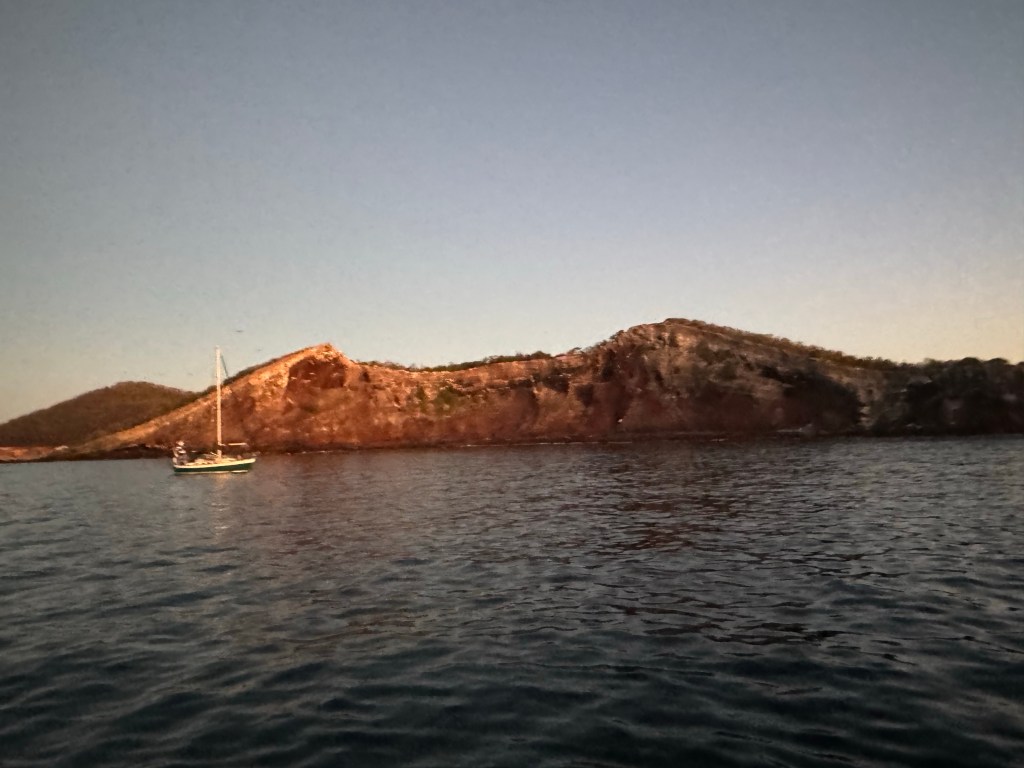
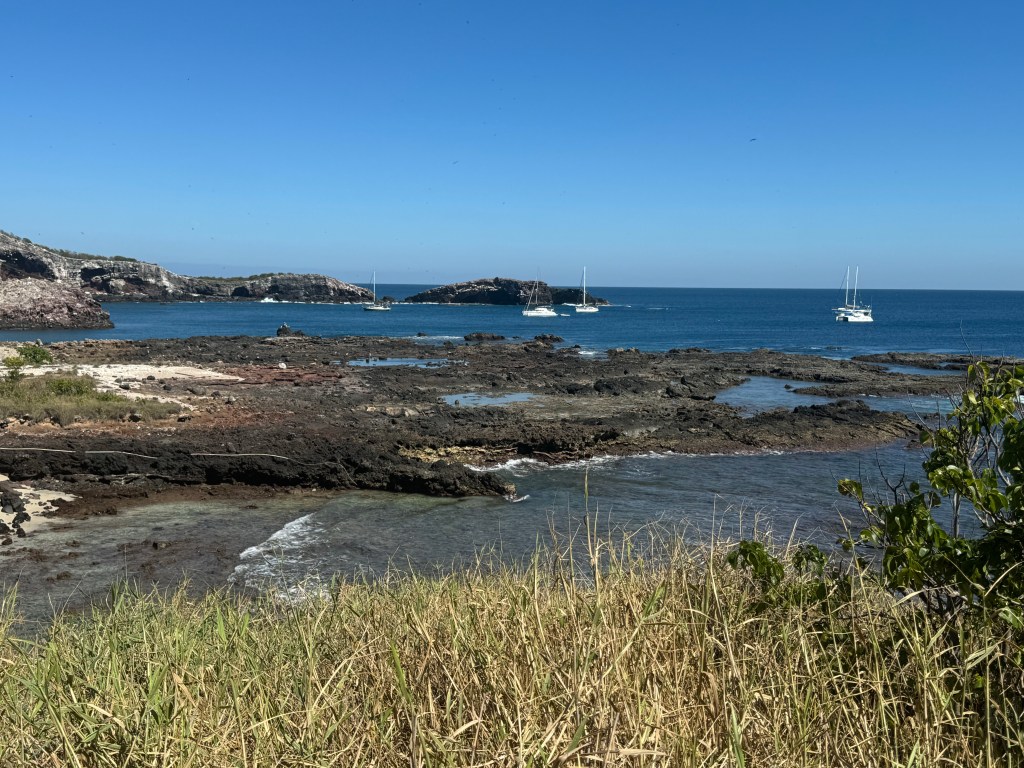
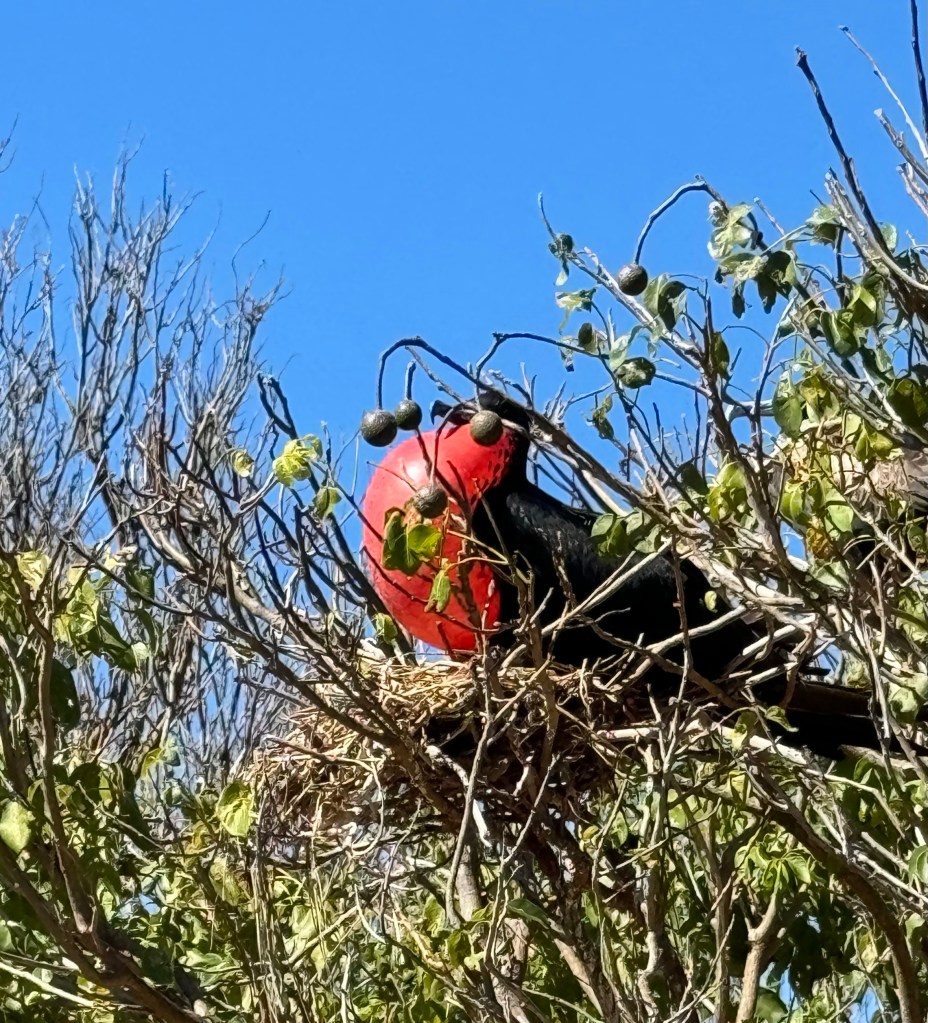
We went ashore the following day and took a hike on a marked trail through the nesting areas, which keeps human visitors, except for researchers, away from the remainder of the island. Females become fertile every two years. Males build nests that will hopefully hold together until their offspring doesn’t need it. With their throat pouches expanded, the males hang by the nest and try to entice a female into a relationship, which will remain monogamous for a year while they coparent their offspring. Hatchlings are born completely naked and must be protected from the sun and weather until down develops at two months. A few months later the fledgings try to fly with a fairly high fatal failure rate. After a year, the male parent is free to go, while the females will stay with the frigate fledgling for two years when it becomes an independent adult. The offspring then return to the island to breed and the cycle begins again.
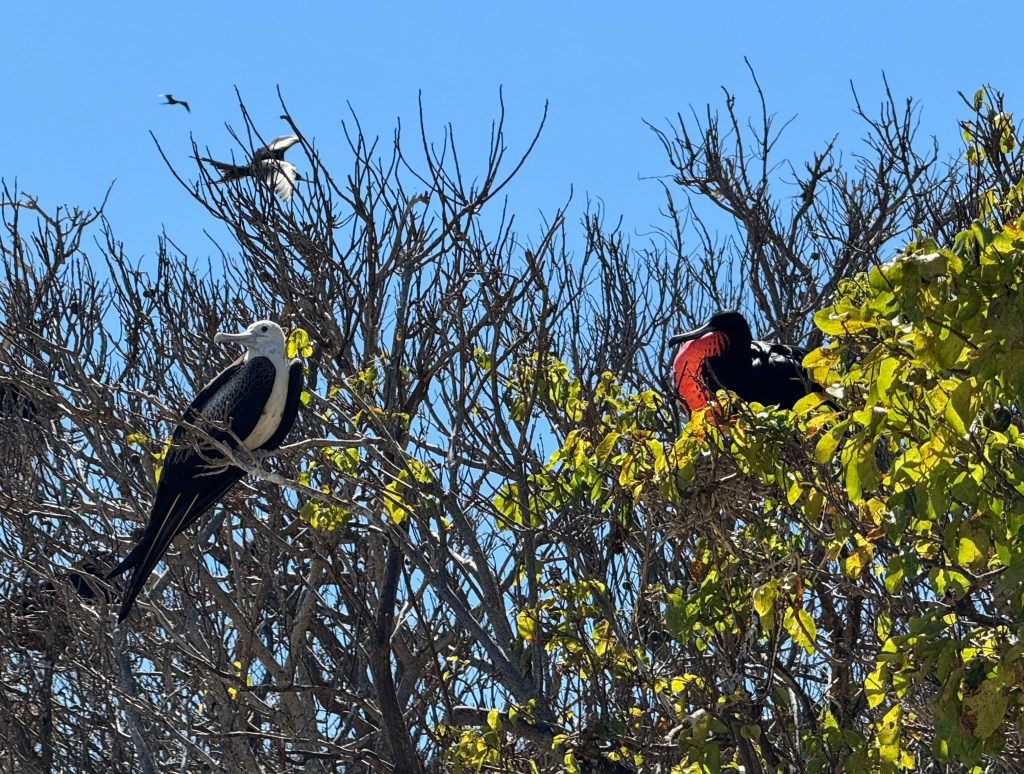
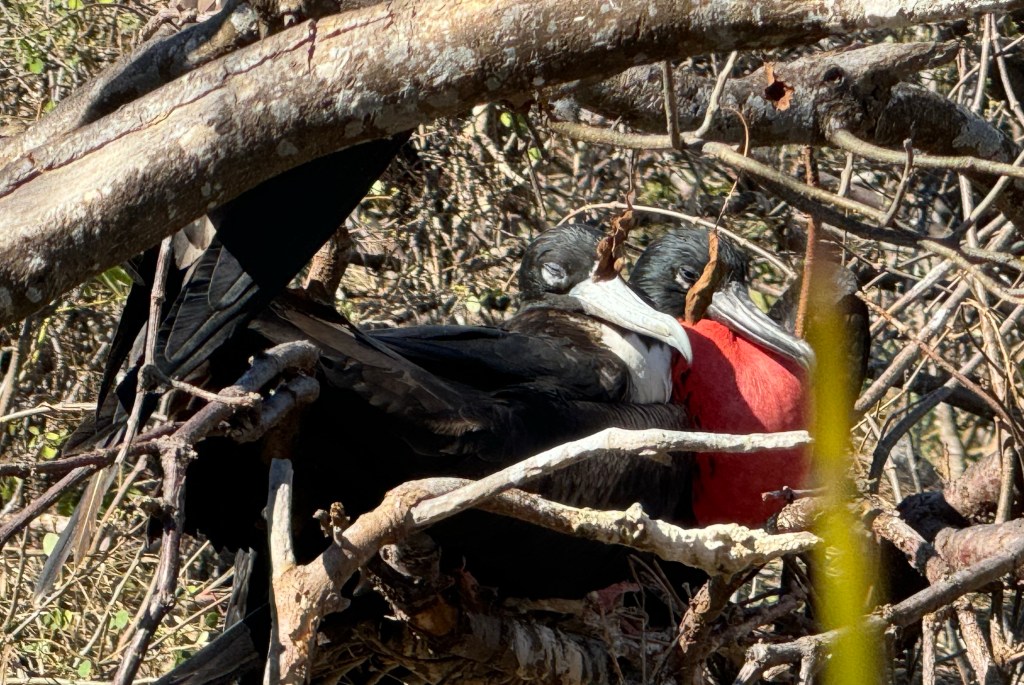
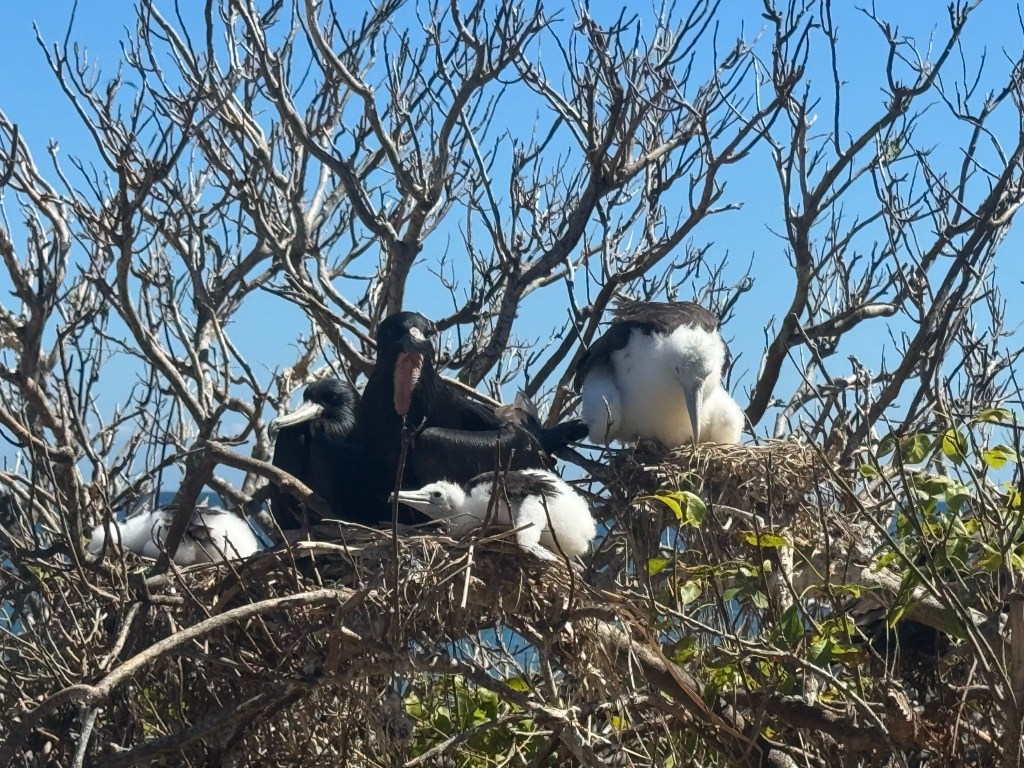
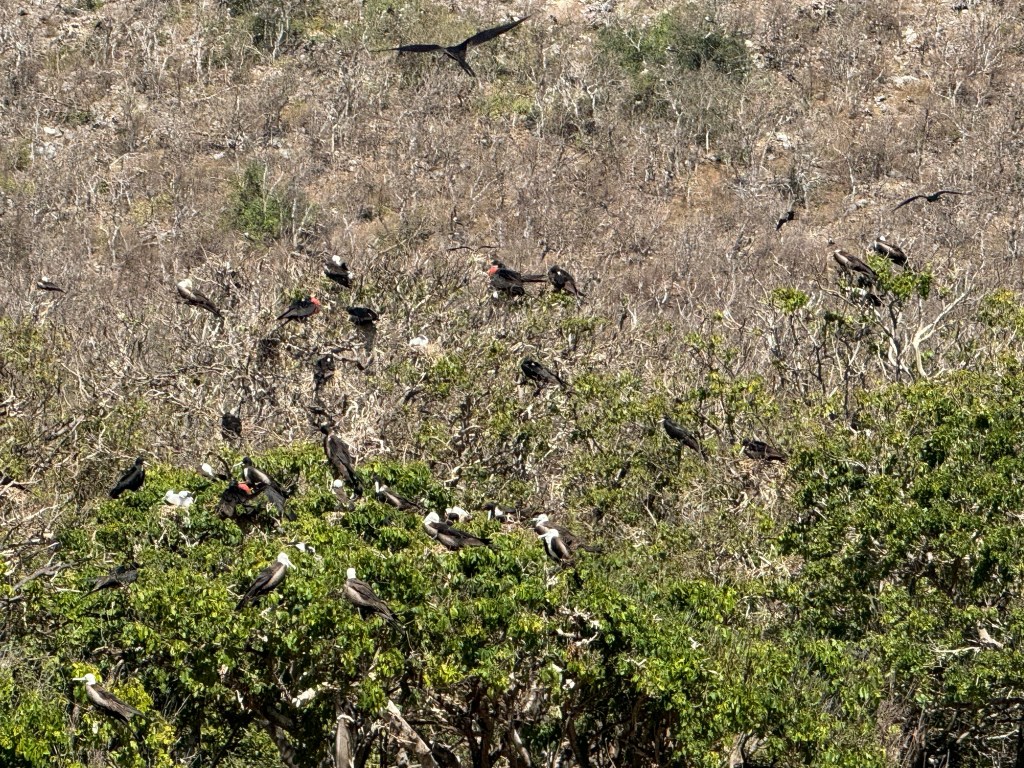
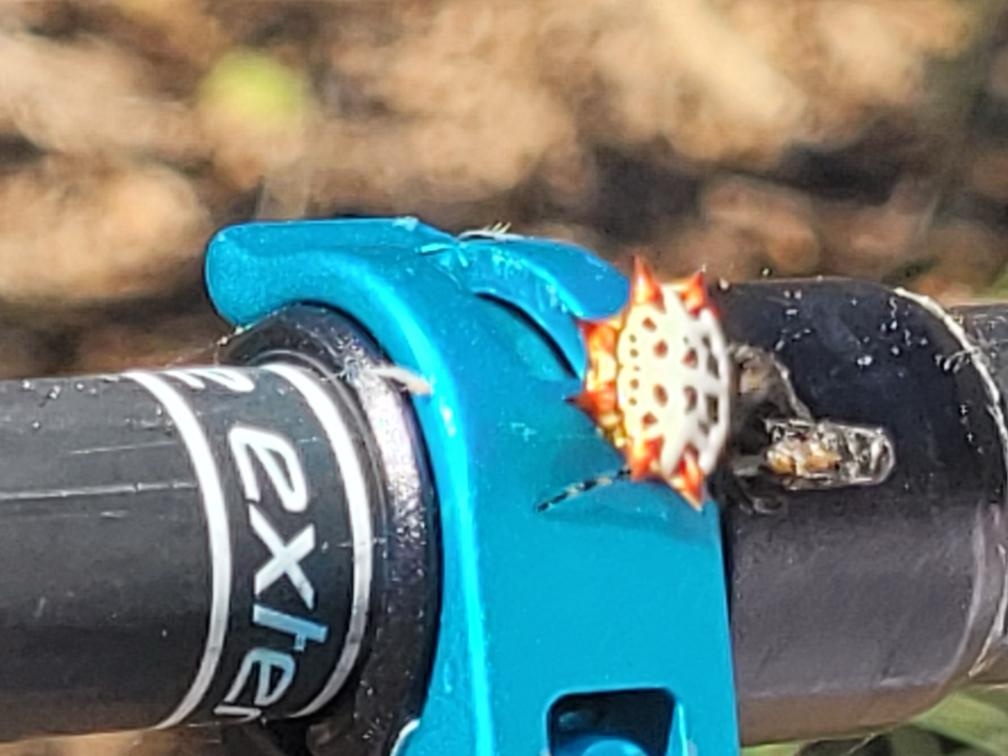
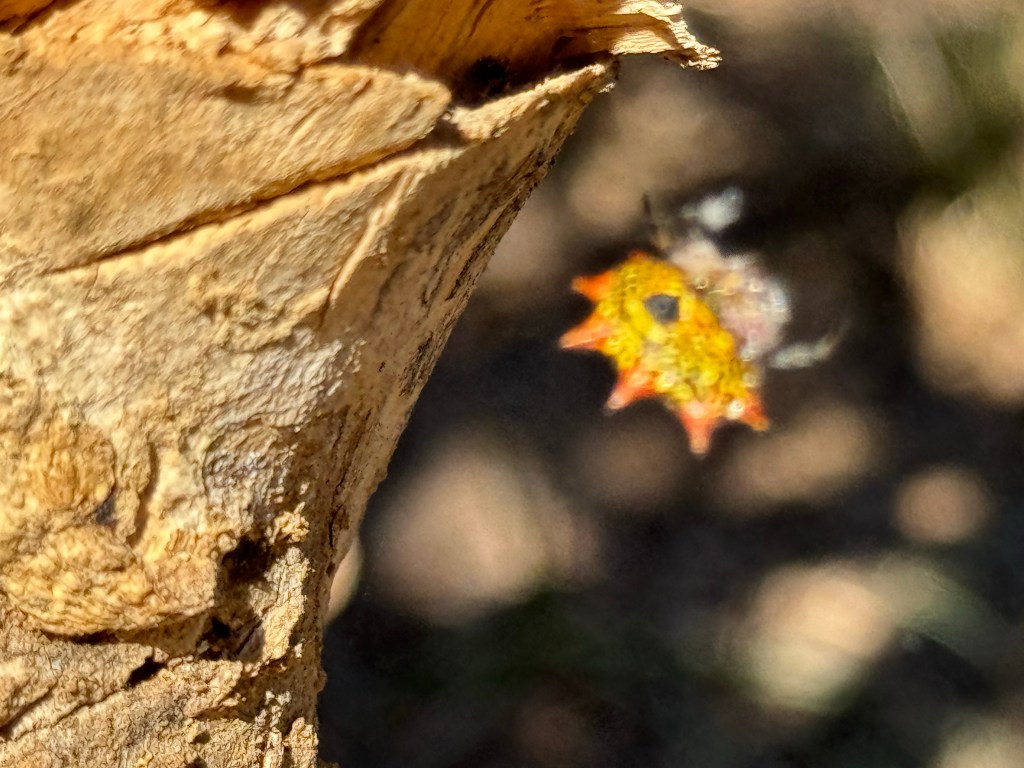
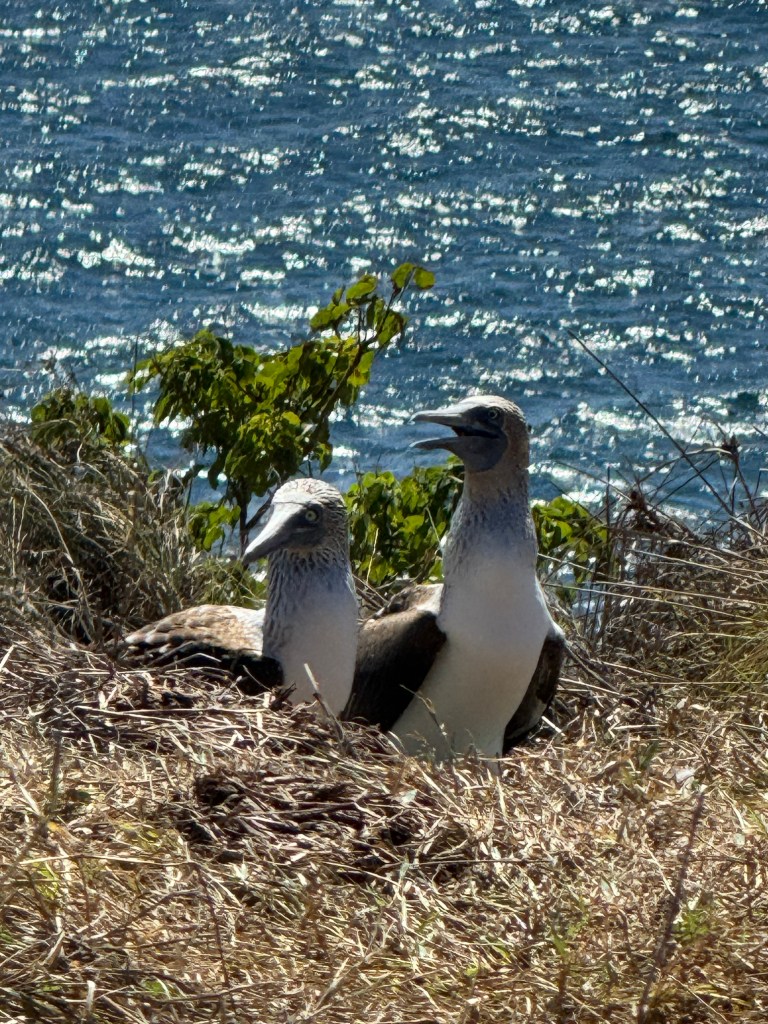
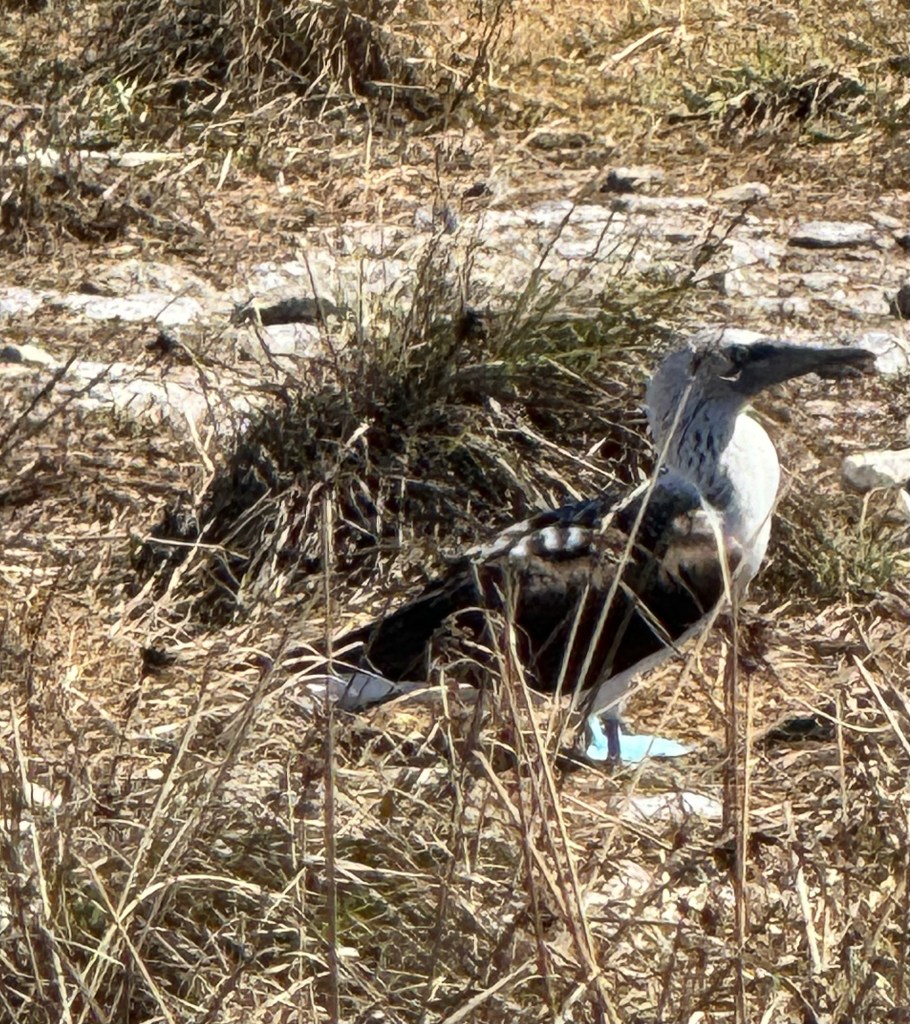
During our hike we also spotted some blue-footed boobies, which nest on the ground. On our return, a spiderweb blocked the trail and I used my hiking pole to get through. Several hundred yards later, I realized the spider and a few of his captured flies were on the pole. The crablike spider was one of the most beautiful I’ve seen.
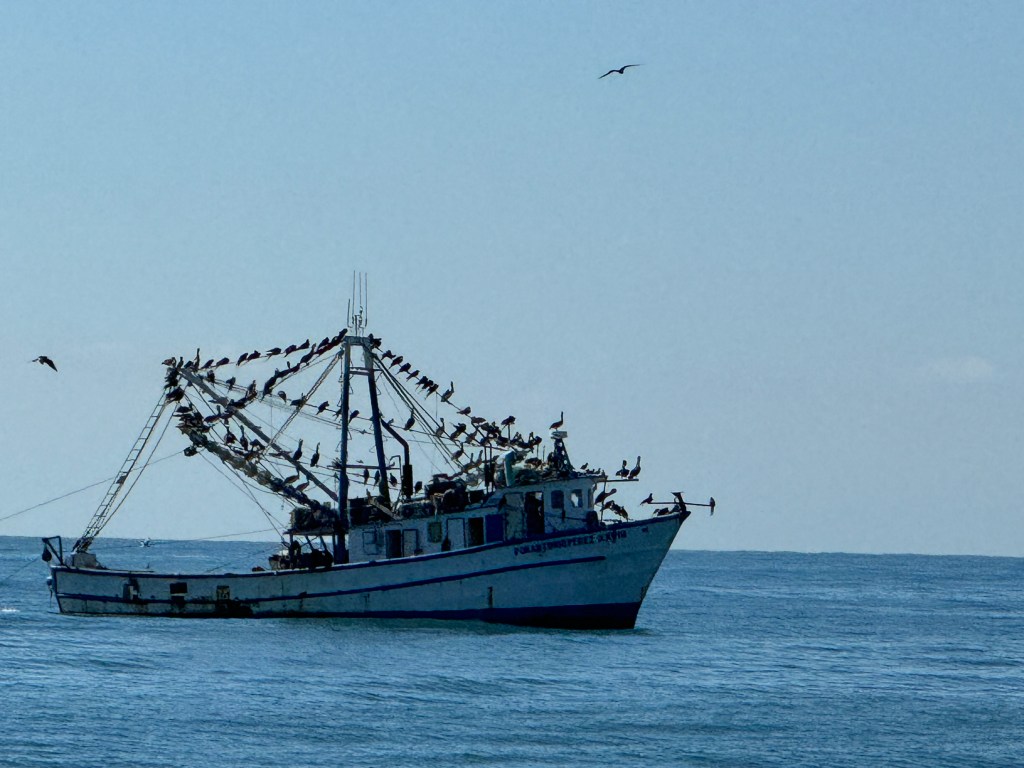
The next day we pulled anchor and headed to San Blas, which is a couple hours north of Puerto Vallarta. Along the way, we saw a few long-line fishing boats with an amazing number of opportunistic birds in their rigging. Although we have a line cutter on our propeller, it is always best to go in front of fishing boats to avoid catching the lines on the keel.
Crossing the bar into the shallow San Blas river was an adventure, to say the least. We knew we were coming into the boatyard at low tide, but didn’t think that would be a problem. The shoal outside the dock thought differently and we briefly ran aground, before retreating across the river to anchor to await high tide. A few hours later, we made it to the dock, where we stayed the next two nights.
Marinas and boatyards are swamped with boaters temporarily delayed by Covid and Mexican middle class who can now afford boats. Scott (my ex-husband) had made arrangements with the boatyard, which I had been unable to make on my own. Local relationships help! That evening and the next day, Scott showed us around town from a multi-season expatriate’s perspective.
San Blas has a long beach with a river running into it, and many in the community make a living on the water. The wealth/investment progresses as people move down the river: river net fishing, river boat fishing, panga tours to island or to see mangroves and crocodiles upriver, panga fishing/guiding, long-line fishing.
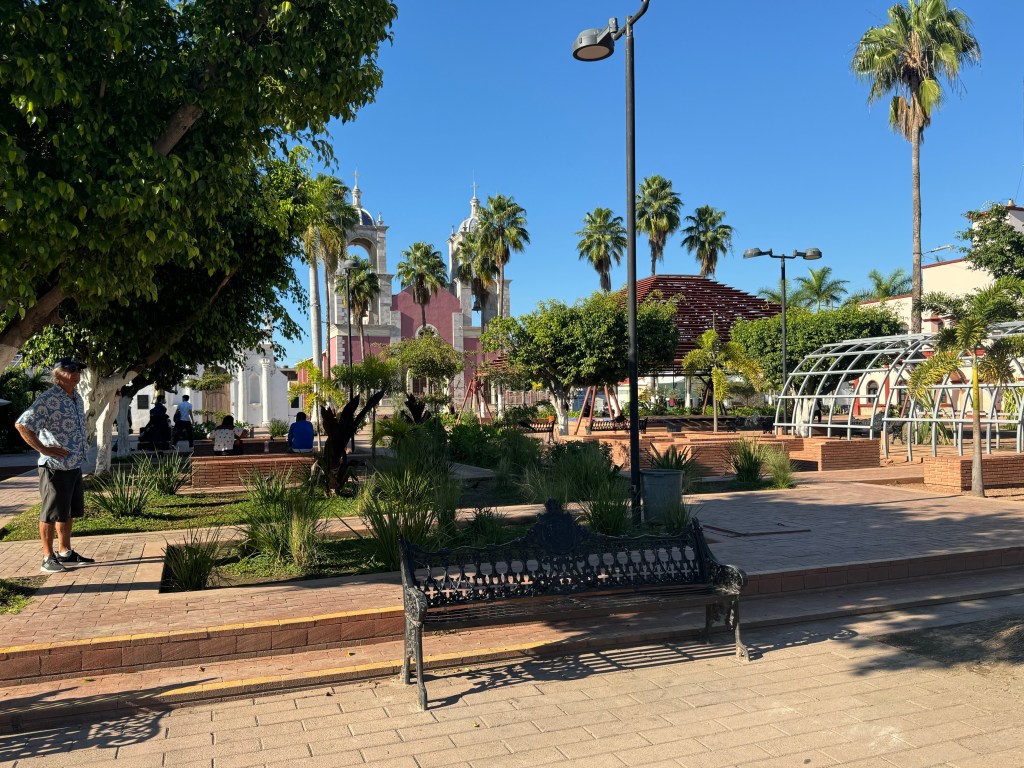
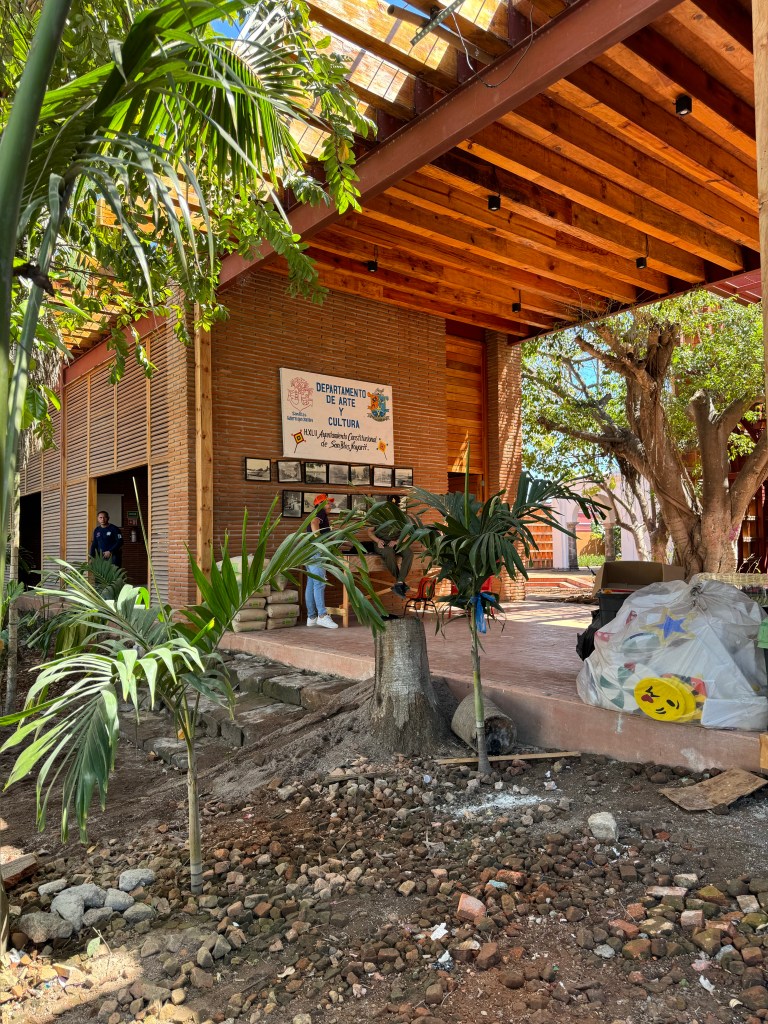
San Blas was a popular hippie surfing destination, but lost favor over the last few decades. It is distinctly more of a Mexican destination and retains much of the feel of Mexico. With the help of an influx of government money, San Blas has an updated town square, remodeled arts and cultural center (originally built in 1500’s), and the Navy is rebuilding their base.
With the favorable tide Wednesday, we hauled out Tieton and she’s nestled safely in the guarded boatyard. When hauling out in the states, we’re asked to leave the boat once the crane has secured the boat it the slings. In San Blas, we stayed on the boat while it was hauled out and the crane parked it in the boatyard. We then climbed down the extension ladder with the boat swaying in the swings. Herman handed Tieton’s keys to Scott and we caught our ride to the airport.
Usually an airport wouldn’t be remarkable, but in this case… For the first time since 911, security would not let me carry knitting onto the plane. At my encouragement, Herman proceeded to the gate while I ran (literally) back to the ticket counter to check my knitting. Without thinking, I’d only taken only my passport and boarding pass. I was unable to check my knitting without an appropriate bag, nor did I have the money to buy one, or my phone so I could ask Herman to bring a bag or money back to security. Good news is they were willing to hold my knitting so I ran to the gate, grabbed a backpack, money and my phone (not that stupid), ran back to check the bag and knitting. We made the plane with minutes to spare, plus I ran several miles and worked up quite the glow.
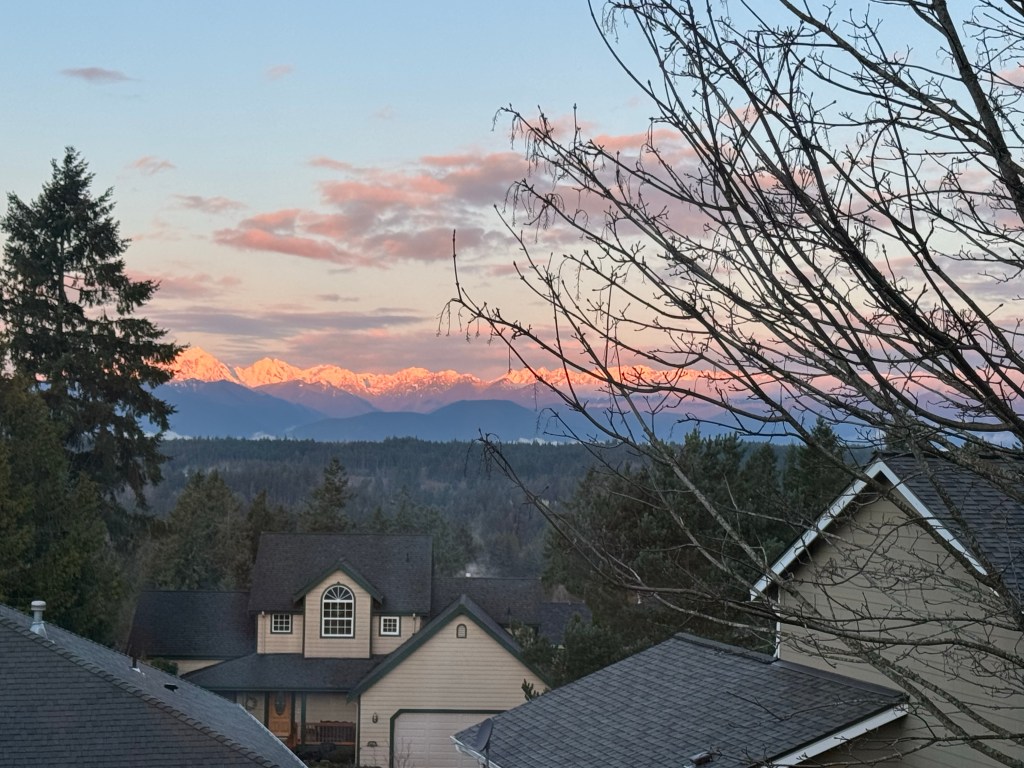
We’re back in Poulsbo for a few days before heading to Chelan and California. We’re so fortunate!


 Sailing Tieton
Leave a reply to Donna Rice Cancel reply