Whangarei has a well-deserved reputation as a great place to work and live on your boat. Located on a river two hours up from the eastern coast, the fresh water is better for boat storage. Plus, it is a great town!
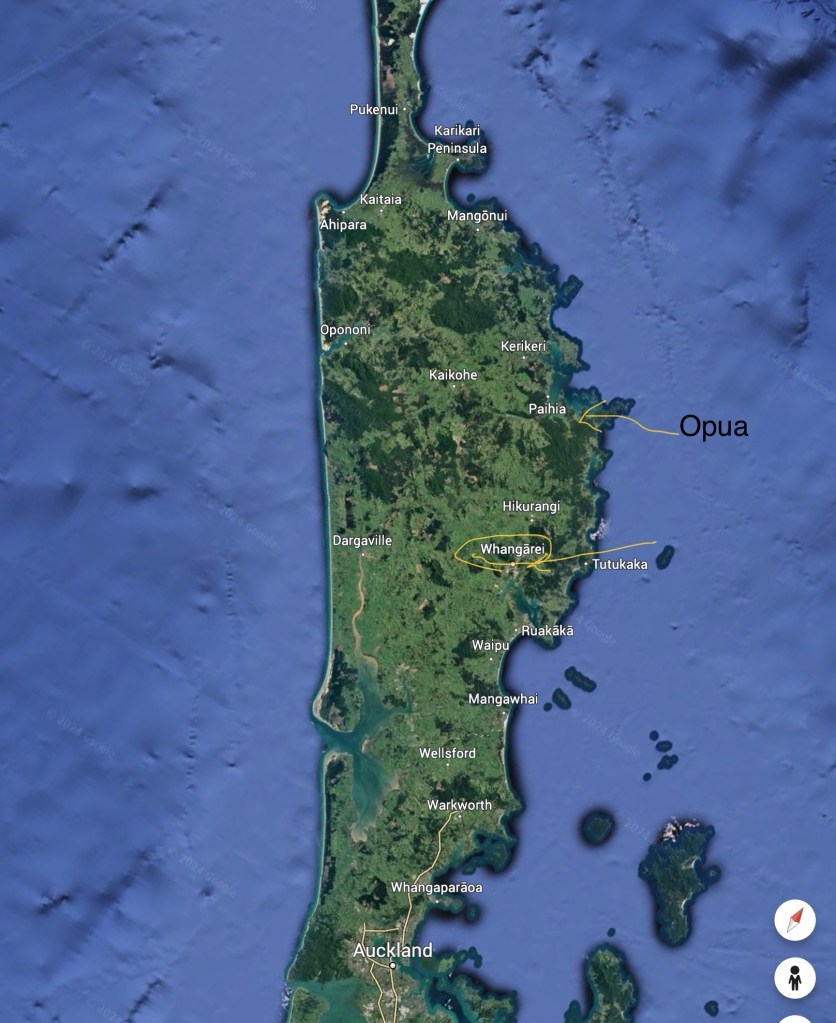

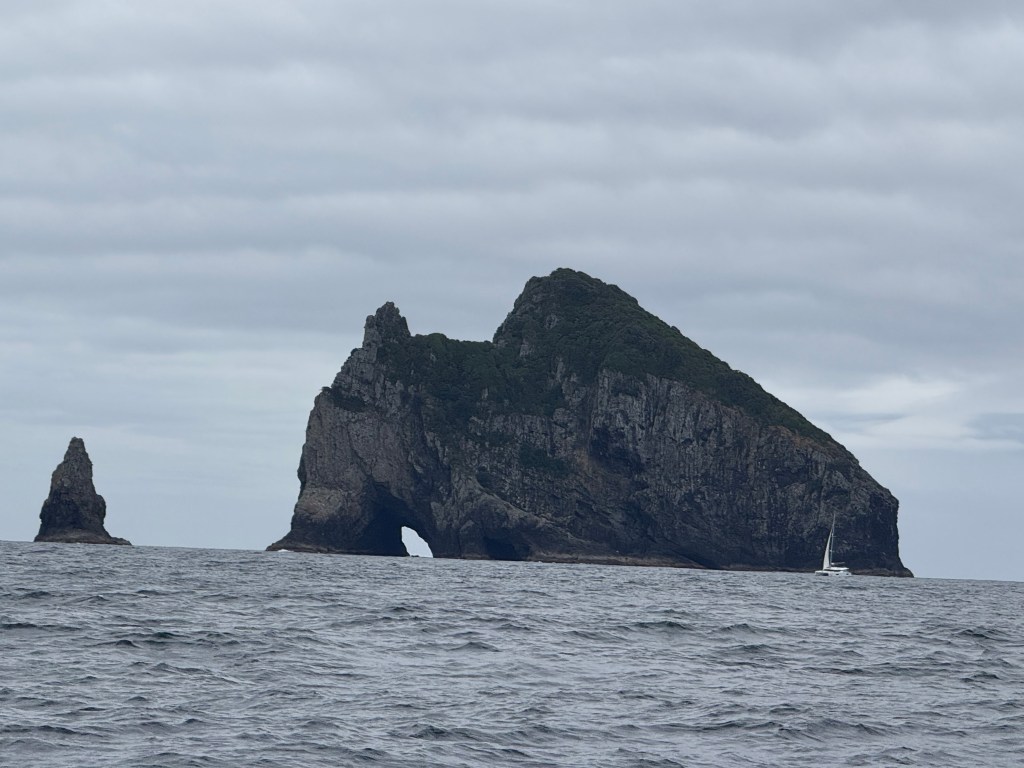
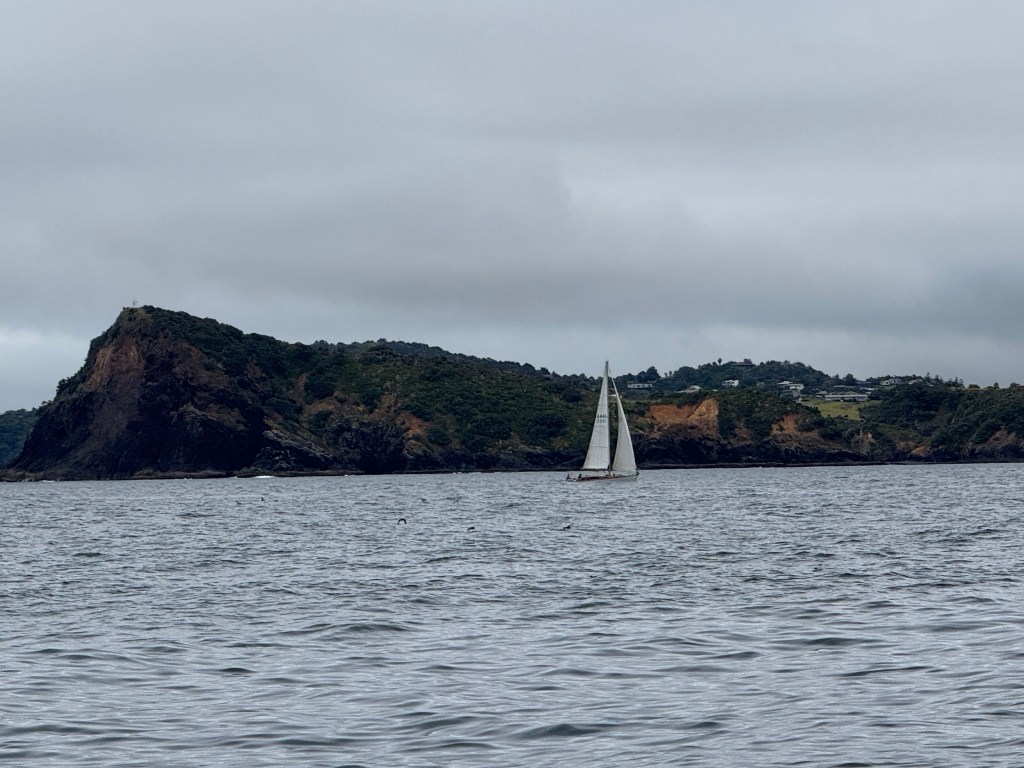
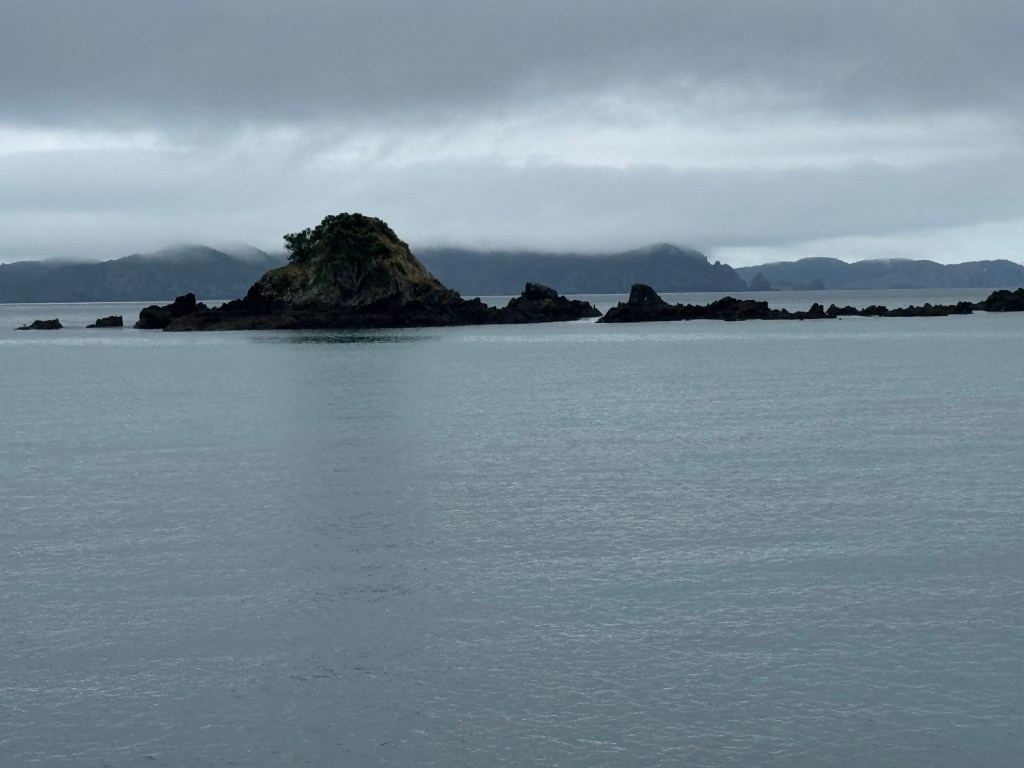
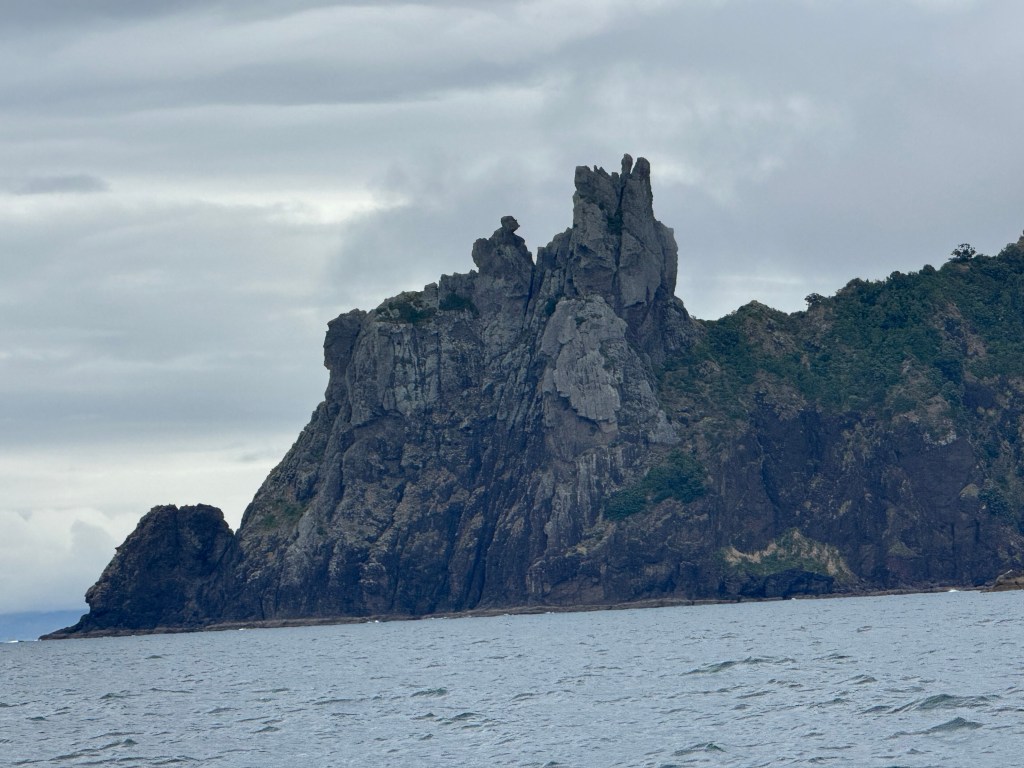
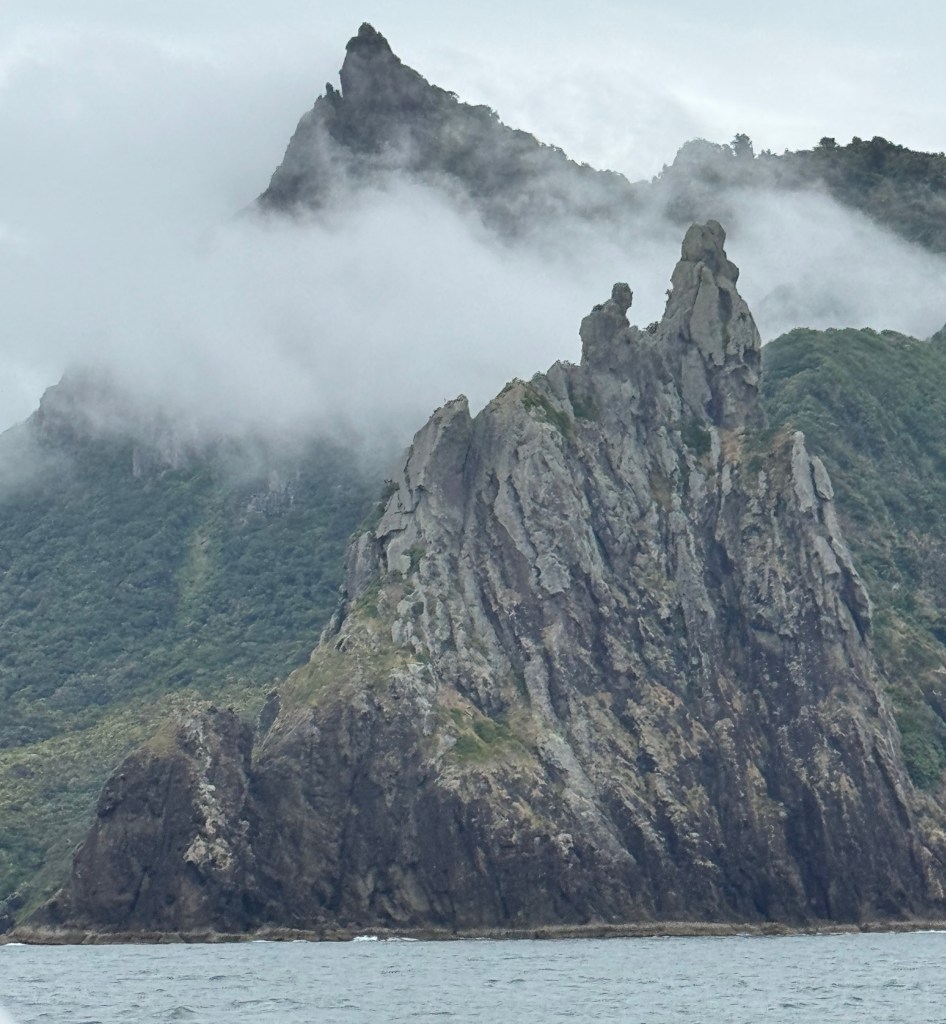
The length of the trip (68 miles), plus the need to time our arrival with the tides and a bridge that won’t open during peak traffic times meant that we needed to stay overnight along the way. After considering anchorages with entertaining names like Whangaruru, Whangamumu, and Tutukaka, the timing worked out best to spend the night in Mimiwhangata. Our journey took us by Cape Brett with the hole in the rock, and along the rugged east coast of the North Island of New Zealand. Passing an historic sailing ship with a huge crew, including some crew handling the sails from high in the masts, reminded us of just how far sailing has advanced.
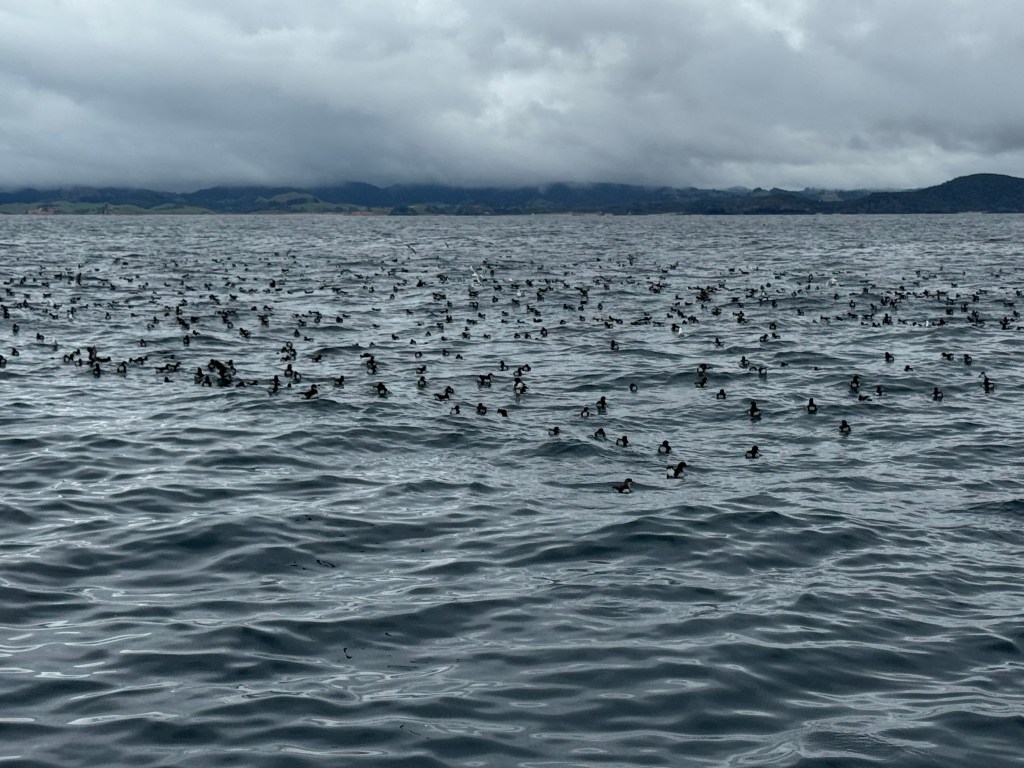
We generally try to maneuver around resting seabirds, which would have been impossible given that some flocks stretched on for miles. The seas calmed as we came into the bay and as we approached the river, the waters shallowed. The narrow dredged channel through the estuary and river meanders through very shallow waters and scattered sandy islands.




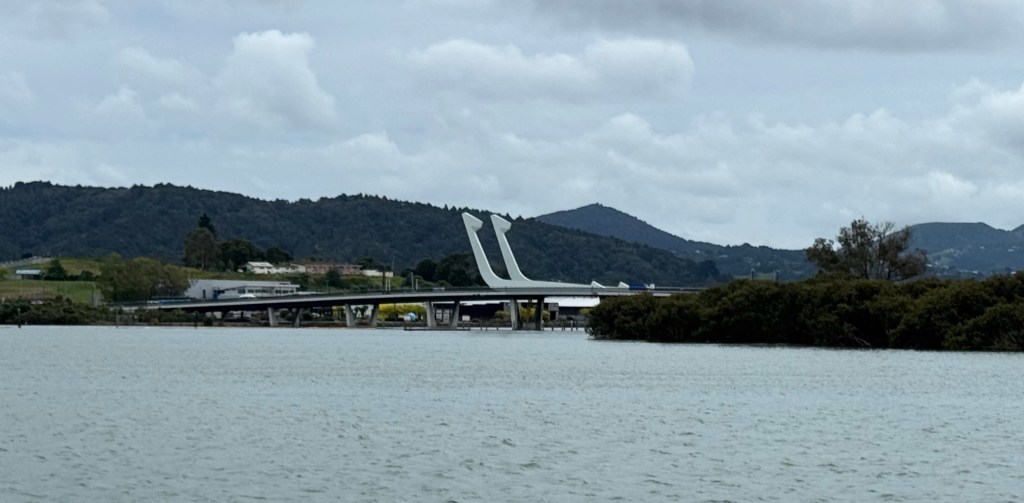
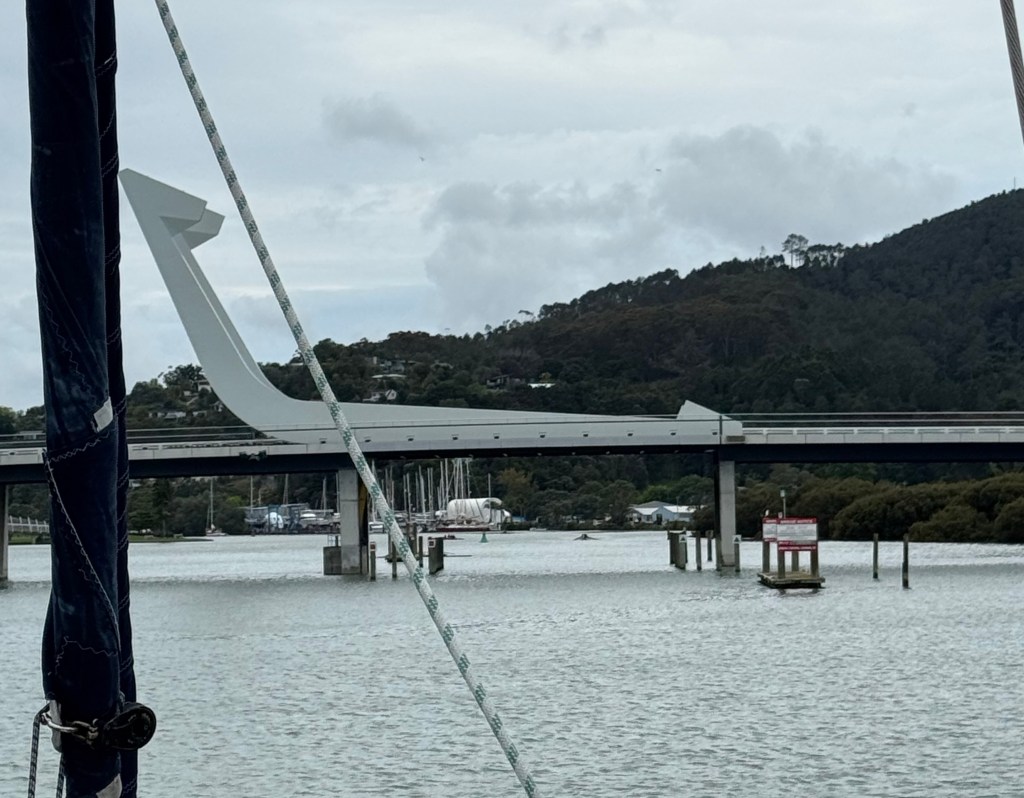
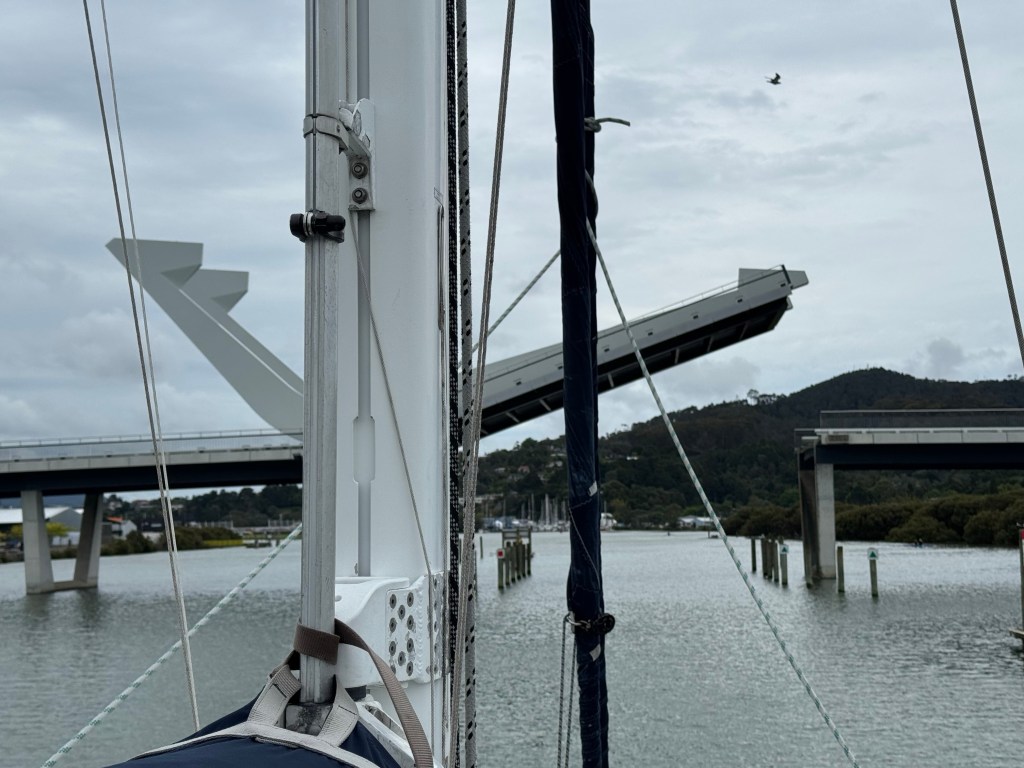
Whangarei Bridge
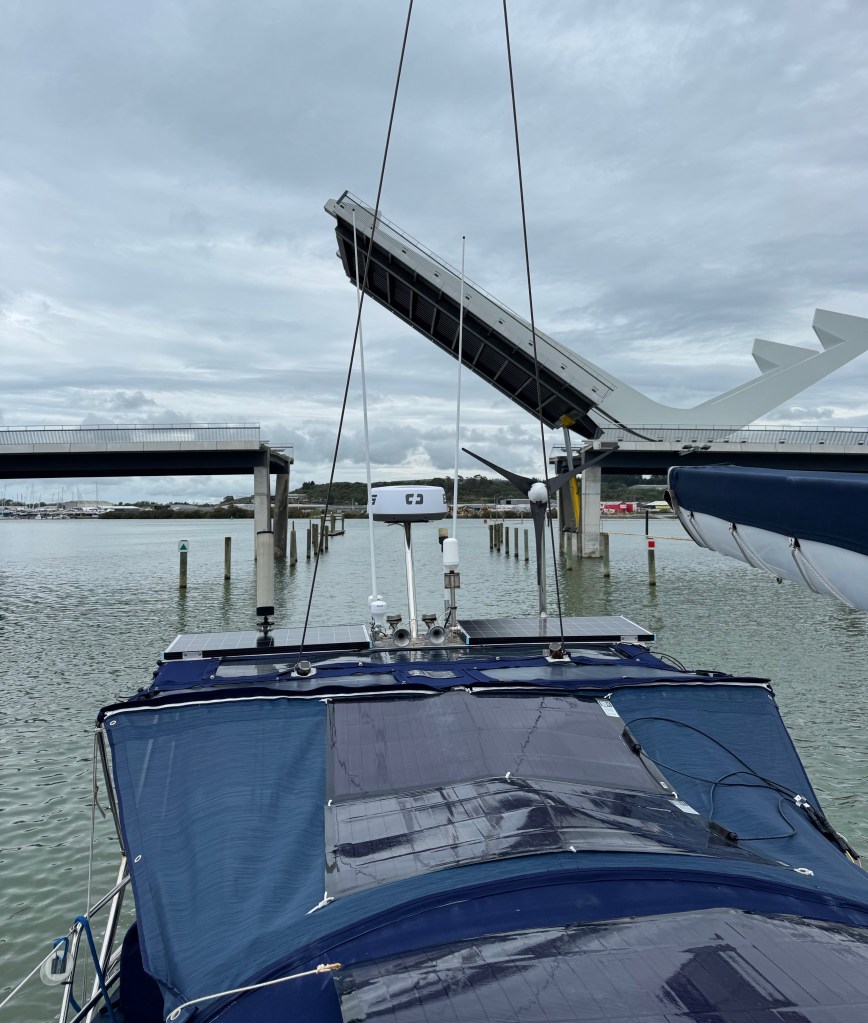
As we approached Whangarei Town Centre, we called the bridge operator to make arrangements to open the bridge. Bridge operator Christine said she’d keep an eye out for Tieton then open the bridge, which she did plus also gave us a friendly wave as we passed by. What a welcome!
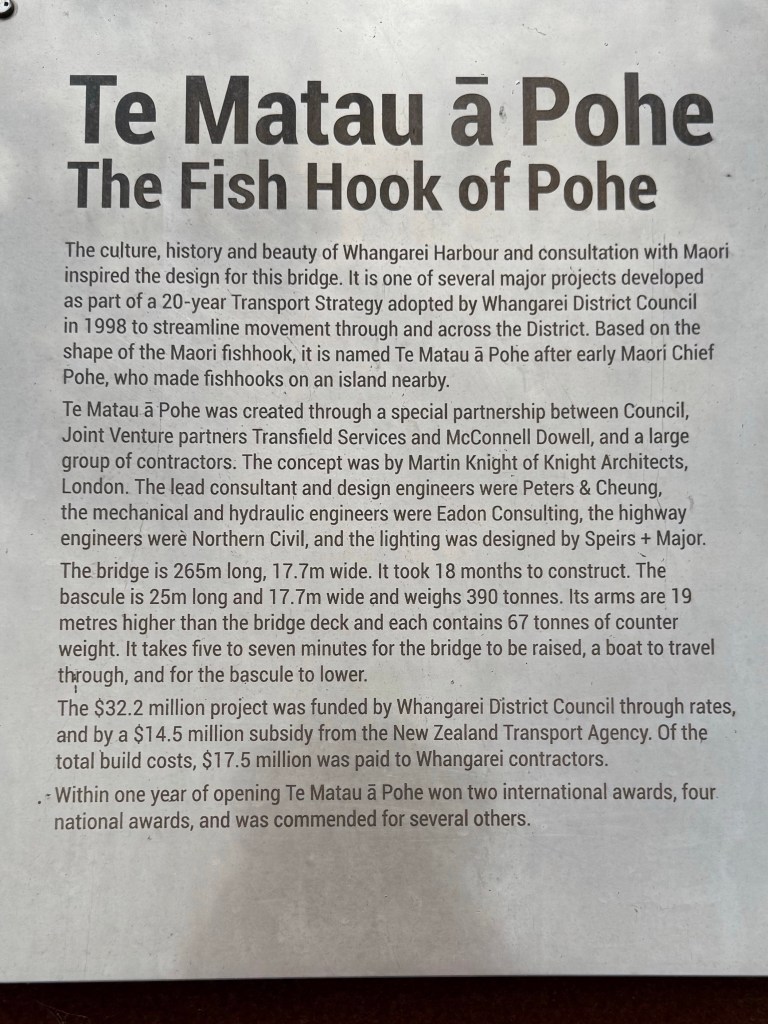
The “Fish Hook of Pohe” bridge is based on the shape of the Māori fishhook and provides a stunning entrance into the town, especially with the addition of the crew boats rowing along the river.

Town Centre
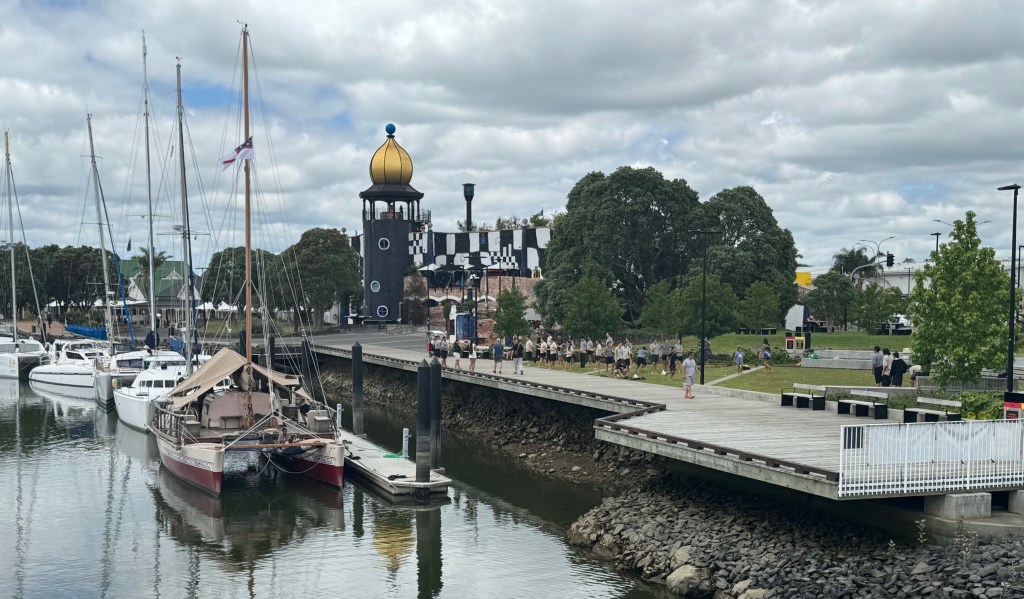
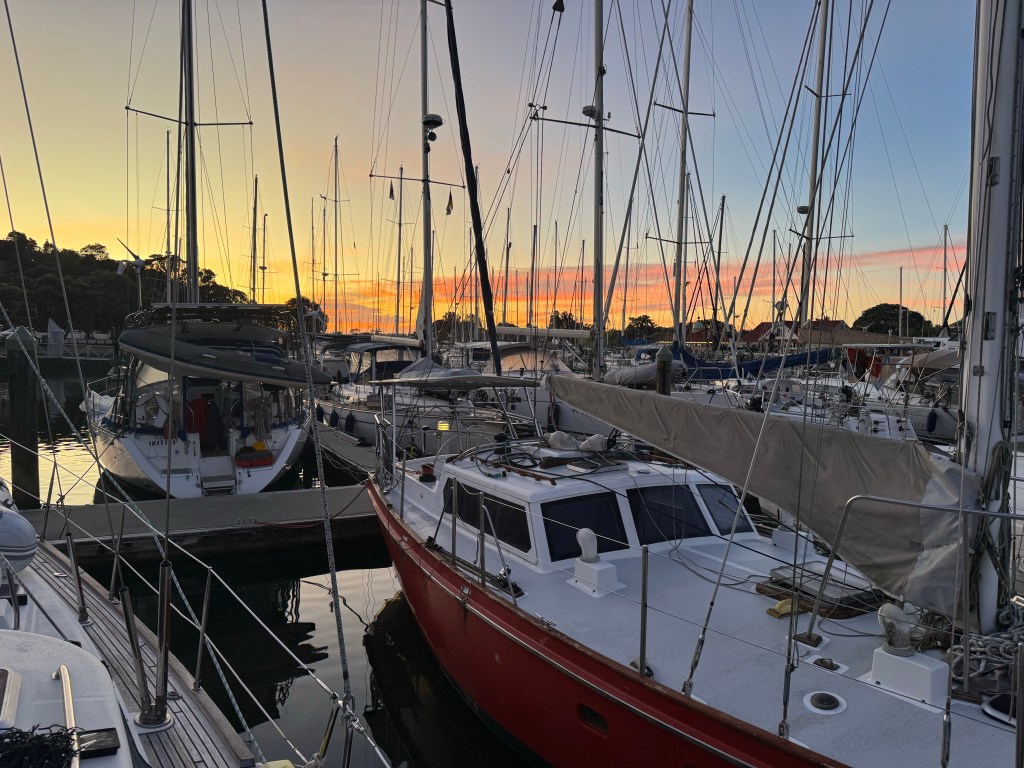
We are now on Dock C3 at the Whangarei Marina along the Hatea River in the heart of Town Centre! From Tieton we can see the award winning Canopy Bridge and Art Centre, plus 50 yards/meters away are restrooms, luxurious hot showers, and laundry! Outside our dock gate is a 4 km (2.5 miles) community trail that bustles with runners, walkers, parents pushing strollers, and marina residents heading to the marina restrooms.
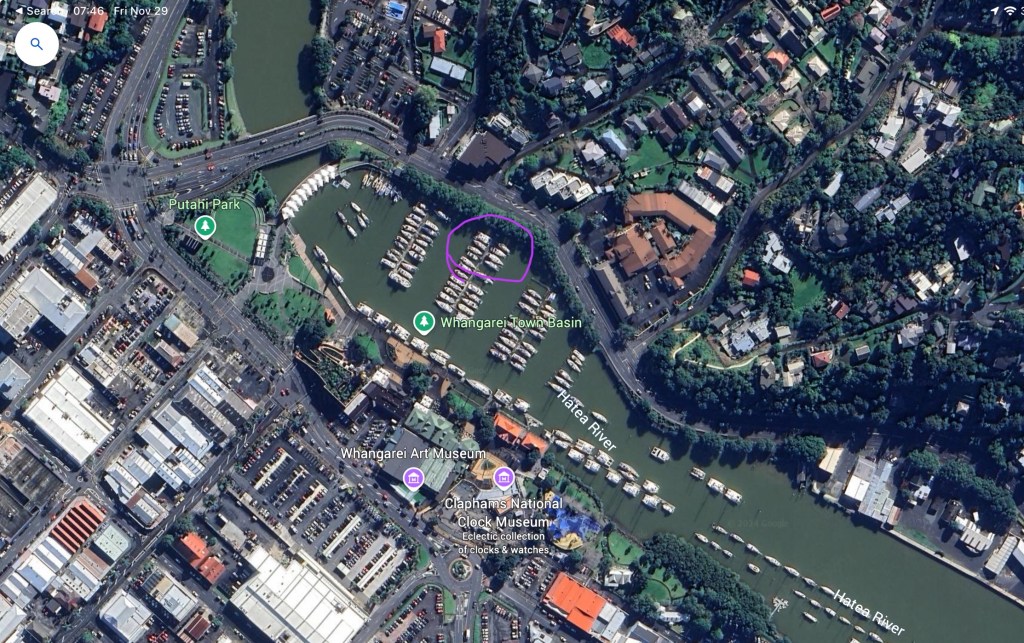
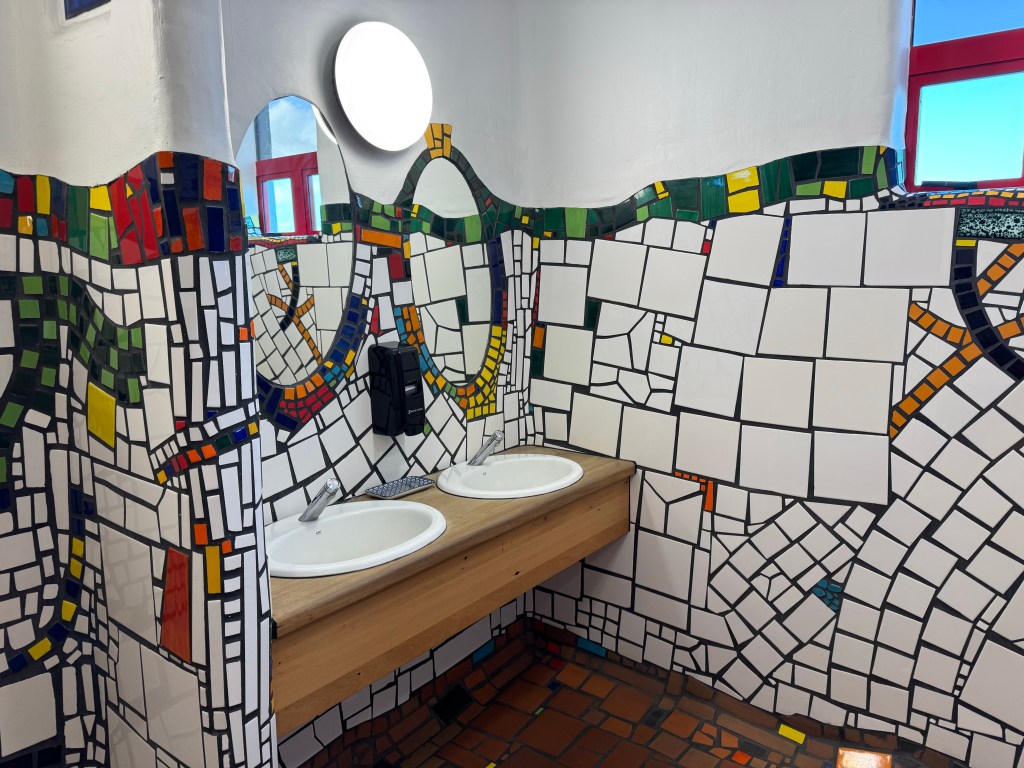
We made our reservations in June and were happy to get a slip on the dock. Other boats are on “the piles”, tied nose-to-tail along pilings, which means the occupants need to use a dinghy or paddle boat to get to the dock. The unisex restrooms took a little getting used to and now they just make sense. Individual showers and toilets are off of the common sink and laundry area. Initially it was surprising to walk in on a man trimming his beard at the sink, or having a man walk in on me trimming my bangs. Now it is just normal.
Back to the town…. A huge grocery store is across the street and everything we need is within a short walk. The Art Museum, Clock Museum and path deserve a separate post, which will follow later.
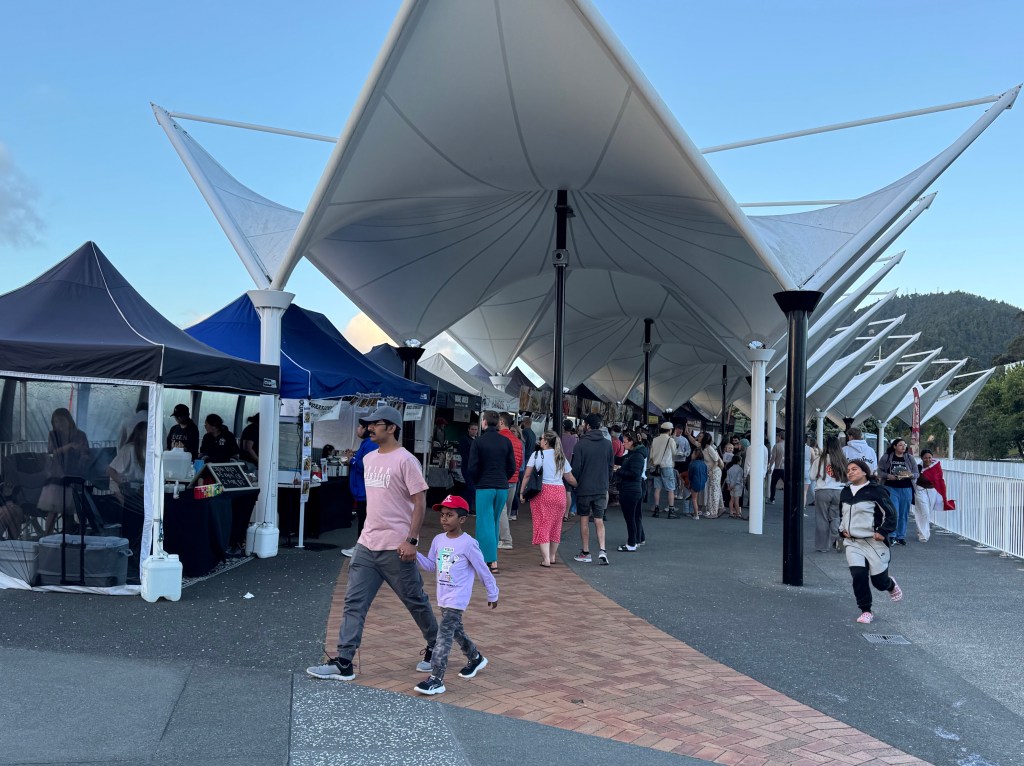
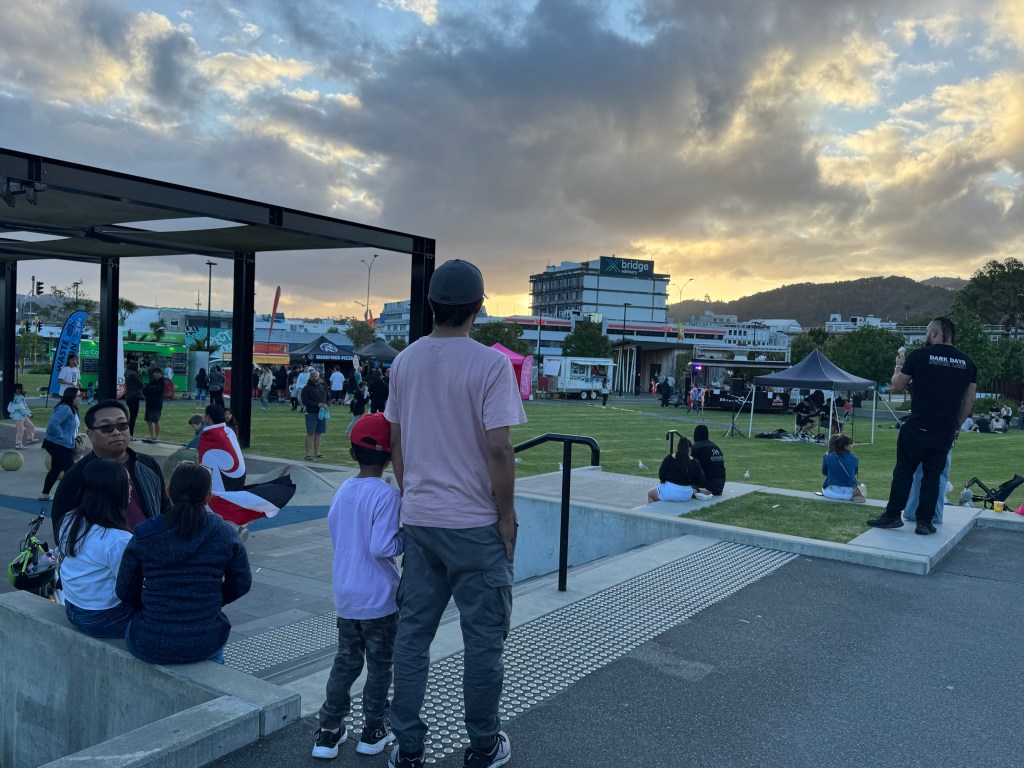
The pedestrian Canopy Bridge is illuminated with different color lights each night. Last Friday we dined at the food fair underneath the canopies and listened to music in the adjacent park. On Saturdays, local artisans sell their wares.
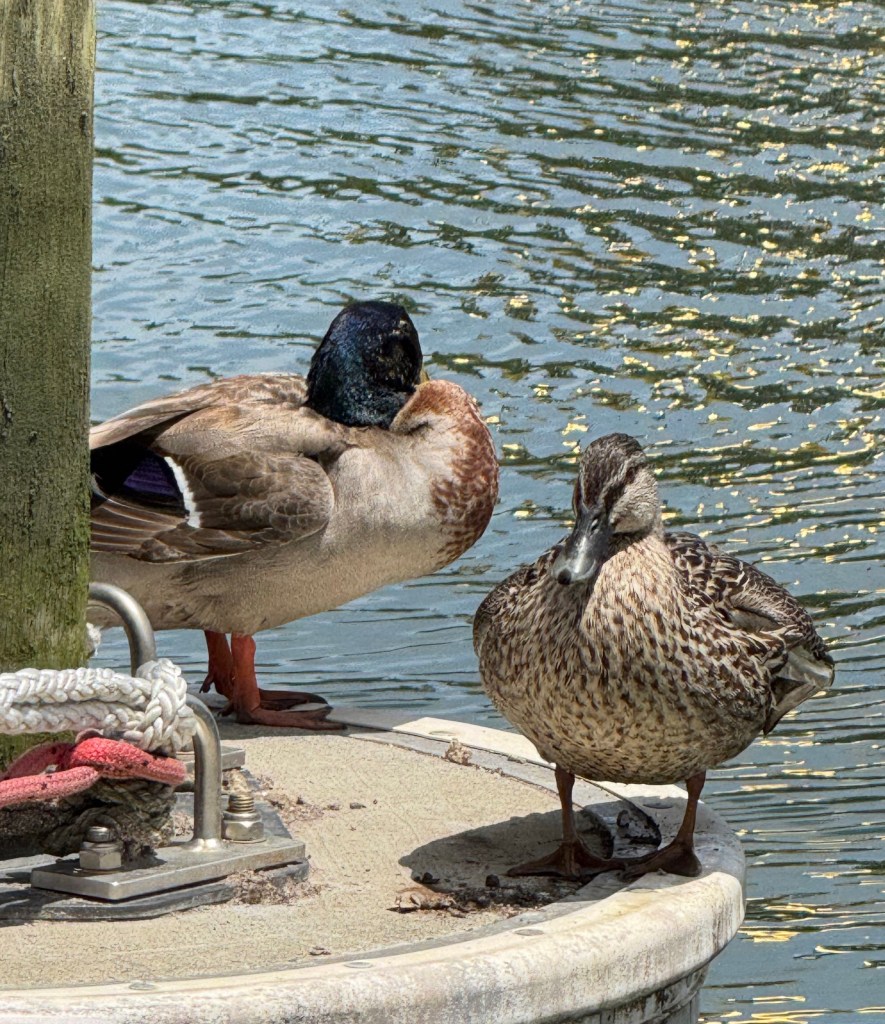
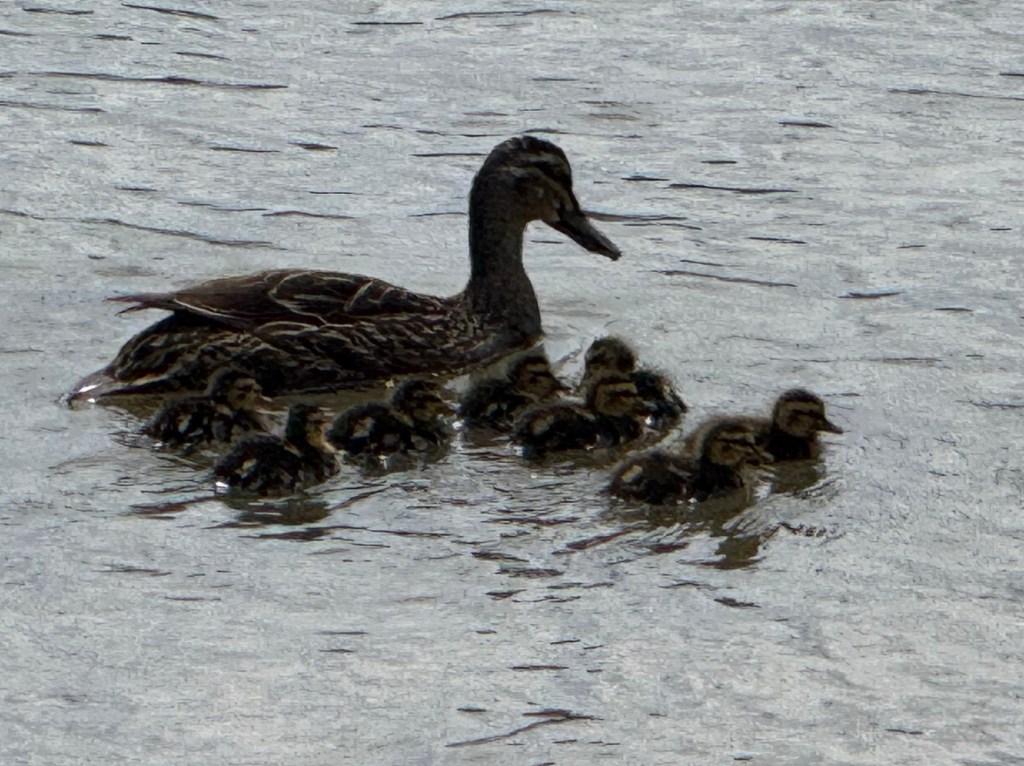
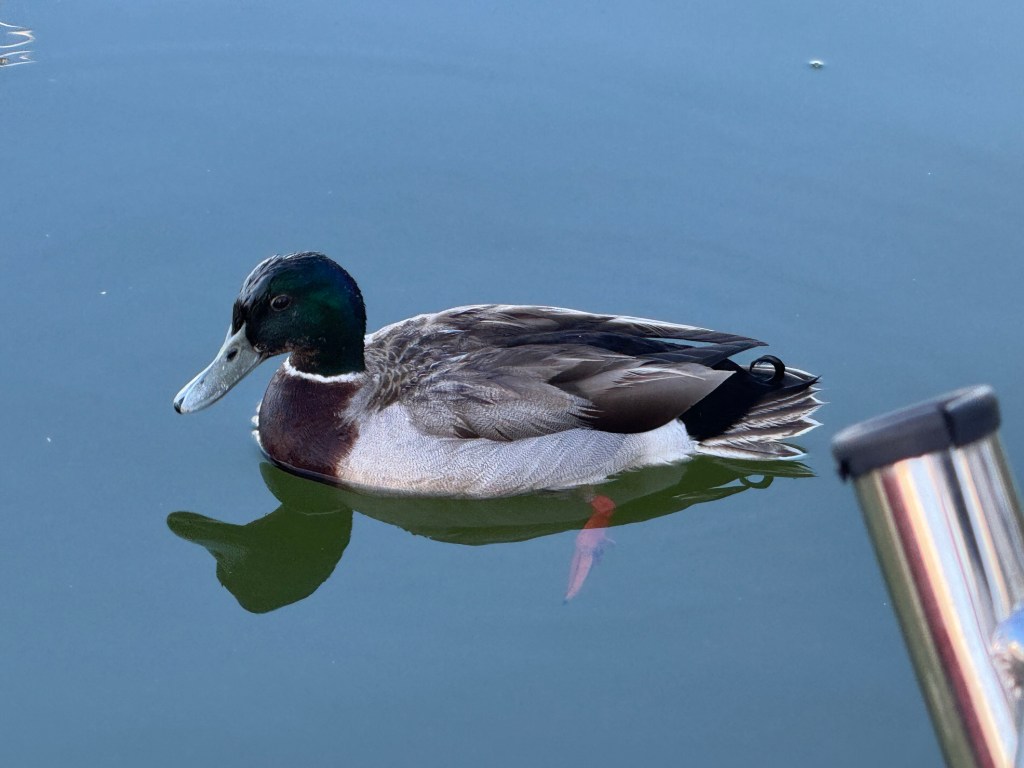
The marina itself is just a fun place to be. Fish jump regularly, and ducks are around all the time. We spend too much time watching the ducks – their courtship rituals, the mothers quacking and ducklings peeping, and males swimming solo. I have several duck boyfriends who are enamored by my quacking. Never a dull moment!
The cruisers’ community is active and liveaboards are very much a part of the town, many having lived here for over a decade. Americans are by far the minority and we hear German, Spanish and UK and New Zealand English accents regularly. Tuesday nights cruisers gather at the marina dock for sundowners. One day, our neighbors Mark and Paul replaced the rope on the nearby swing, which involved climbing a tree. We never know what we’ll run into.

Aqua Restaurant & Bar
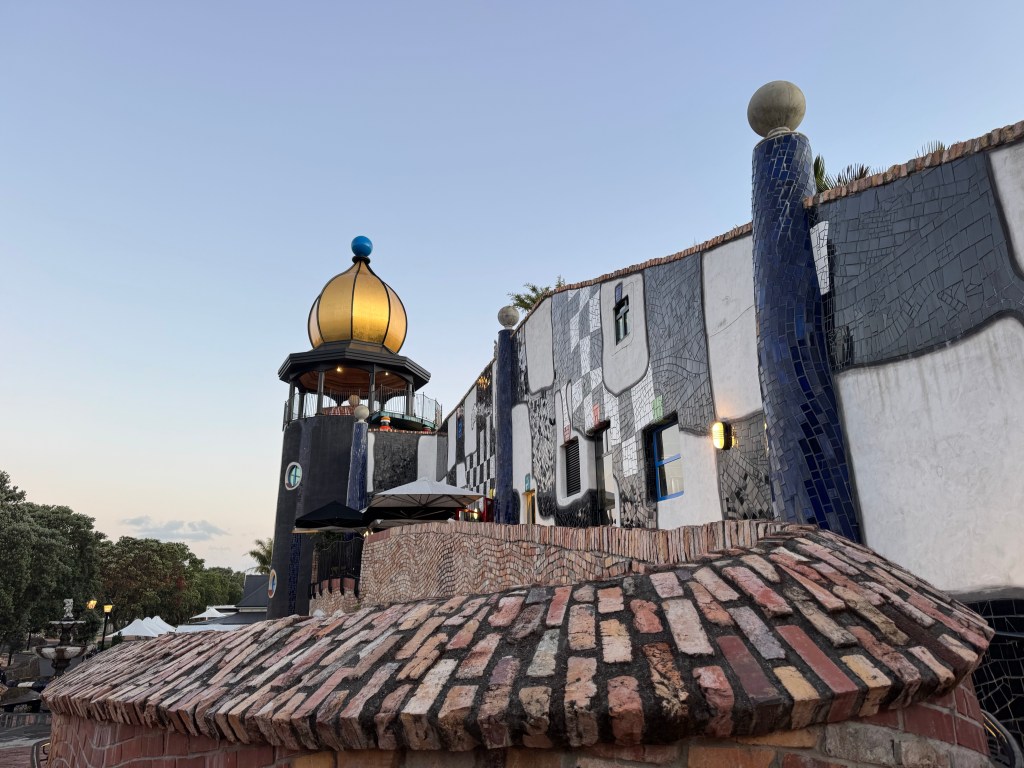
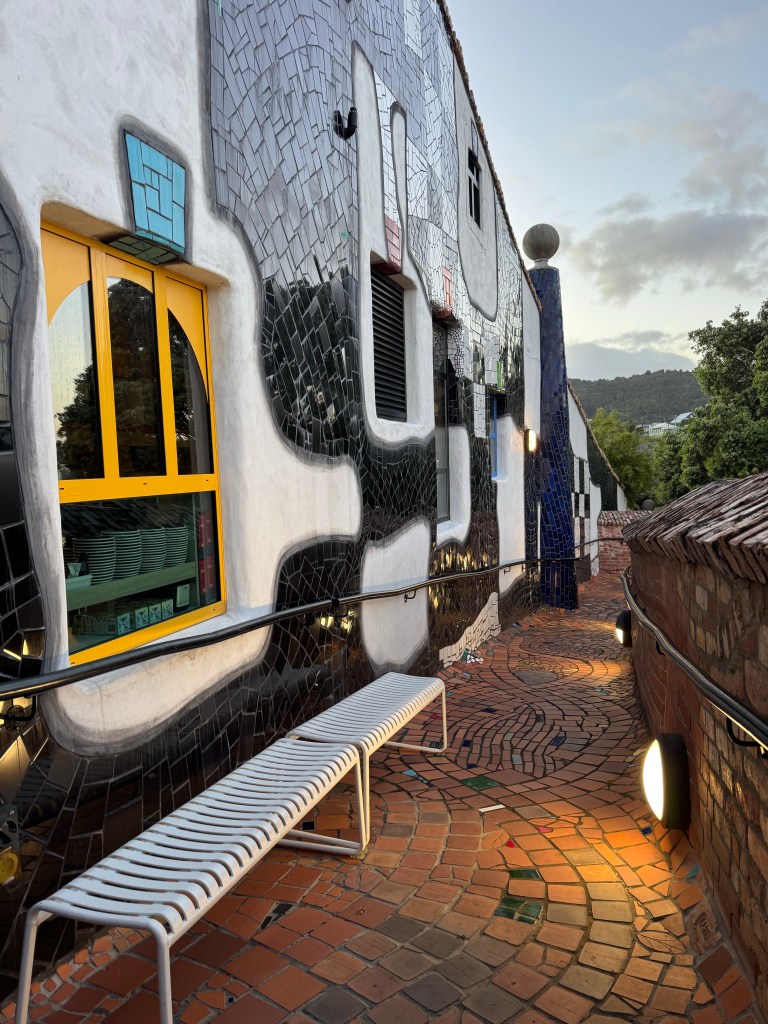
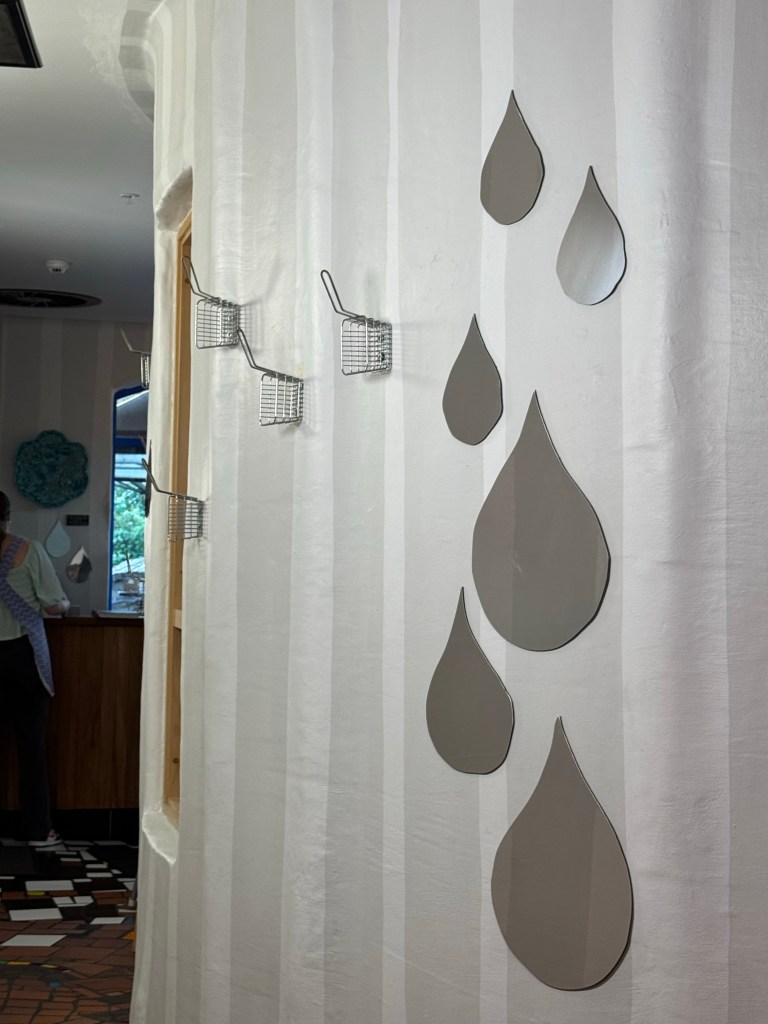
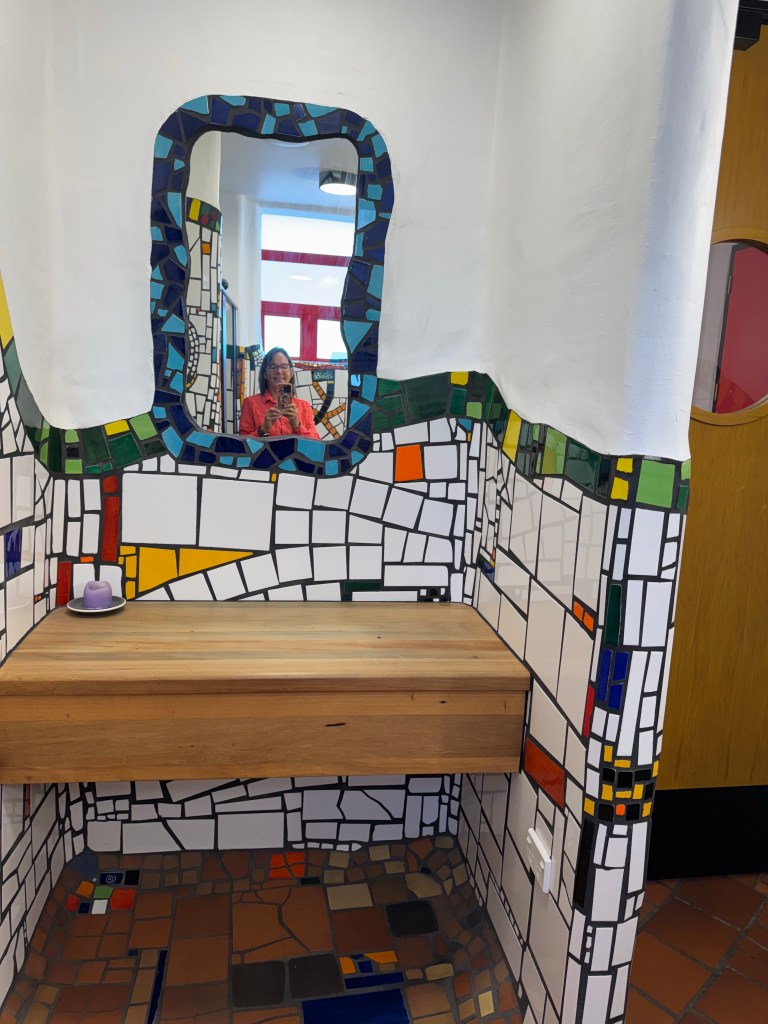
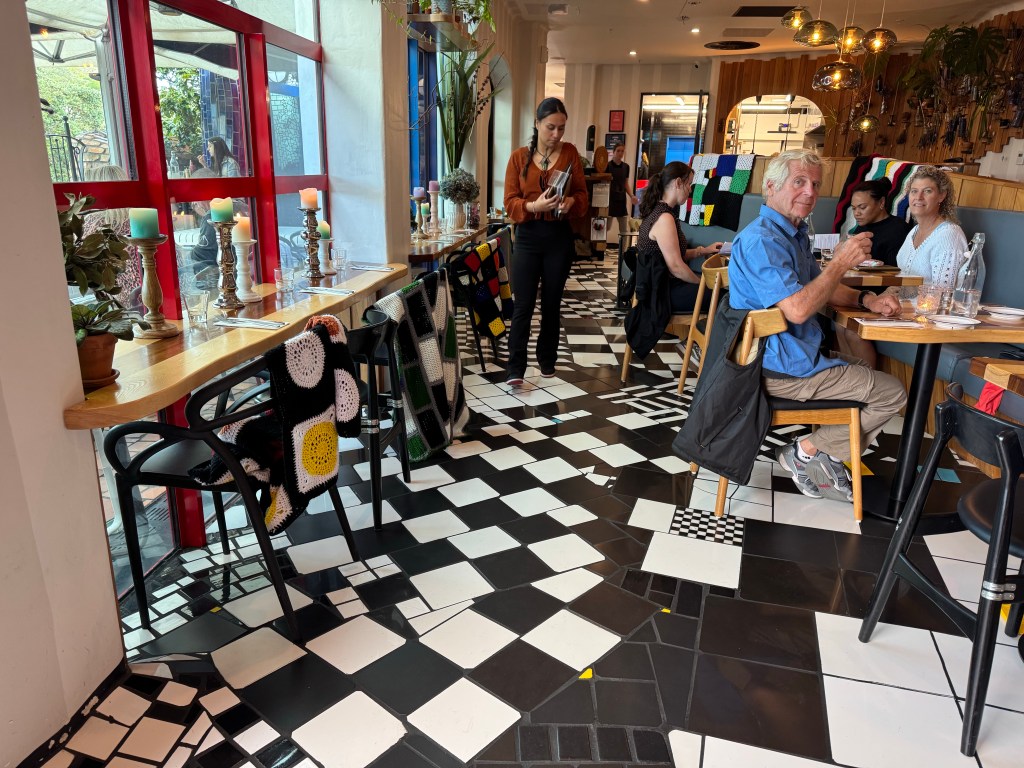
We had a fabulous meal at the Aqua Restaurant & Bar, which is located within the Hundertwasser Art Centre. The flavorful meal was almost as explosive as the restaurant decor, which is a preview to the Art Museum.
Introducing Hamenz
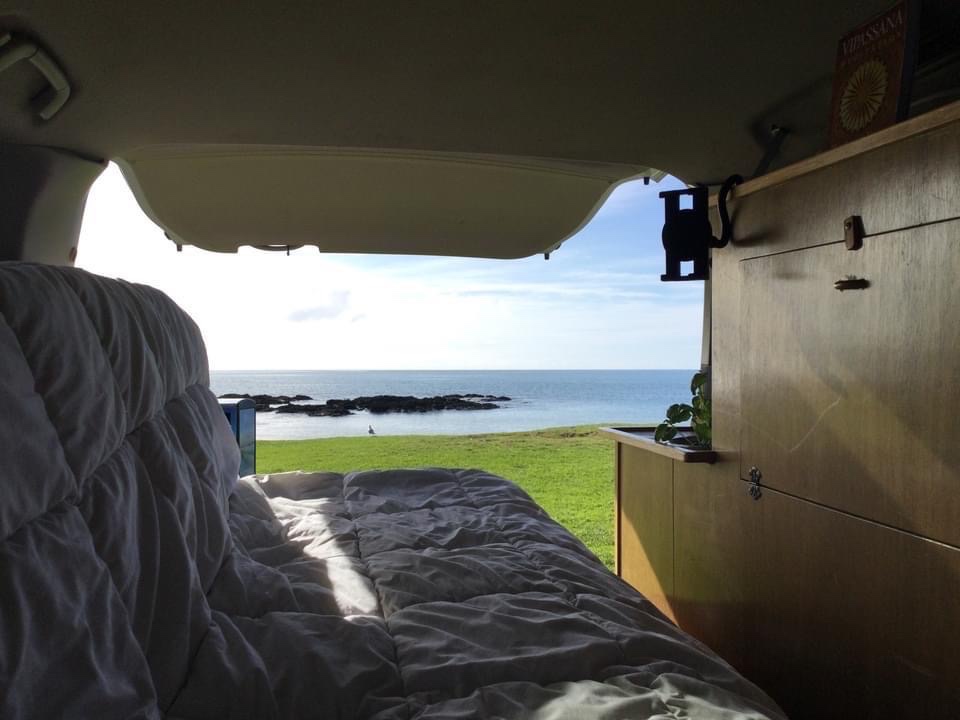
Hamenz (Herman And Meredith Explore New Zealand) is our 2006 Toyota sleeper van, which we plan to use to tour when we return in February. The van is a two seater that has been retrofitted with a bed, sink, portable toilet, and everything else that is necessary to camp comfortably. Not deluxe by any means, but she’ll do.
A year’s comprehensive and liability coverage for NZ$20 million (US$ 12 million) costs less than NZ$200. The cost to transfer the car was NZ$50, which means roads are funded by other means. We took a NZ$86 (for the two of us) bus to Auckland and enjoyed the windy drive in air conditioned comfort with WiFi and reclining seats. The return drive on the left hand side of the road was less relaxing.

Tutukaka
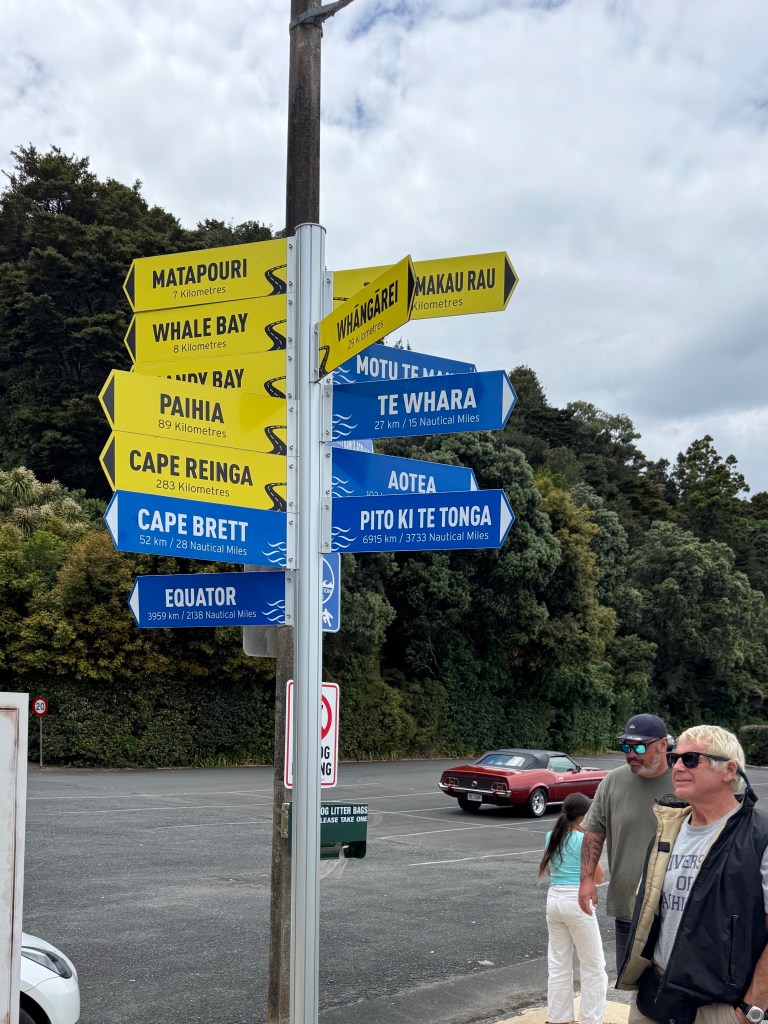
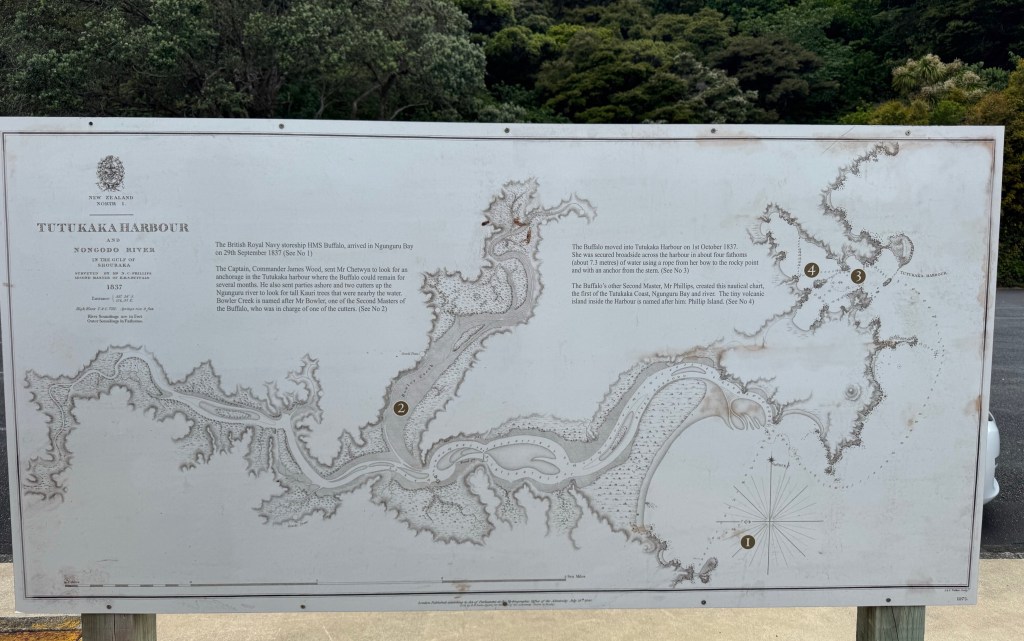
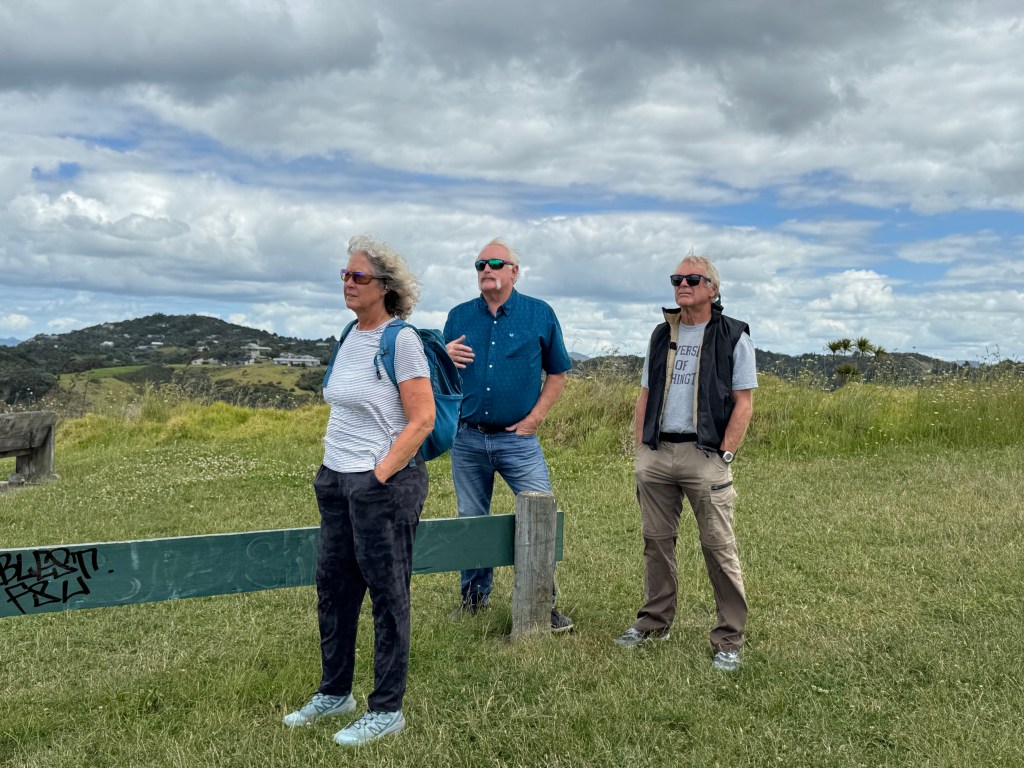
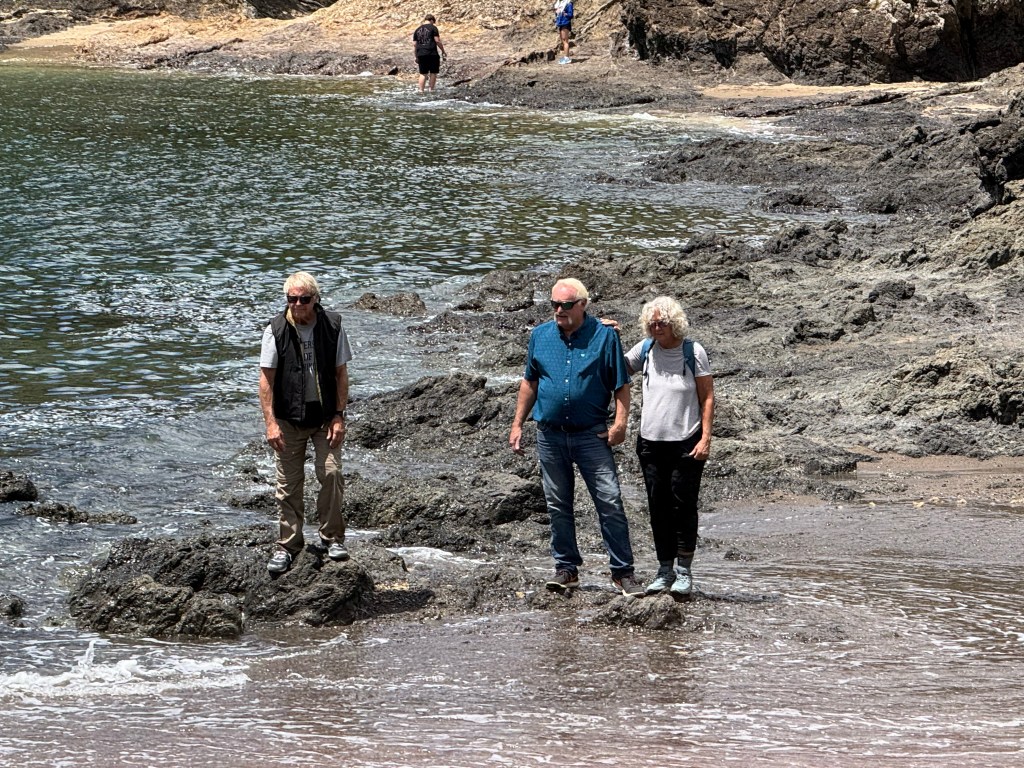
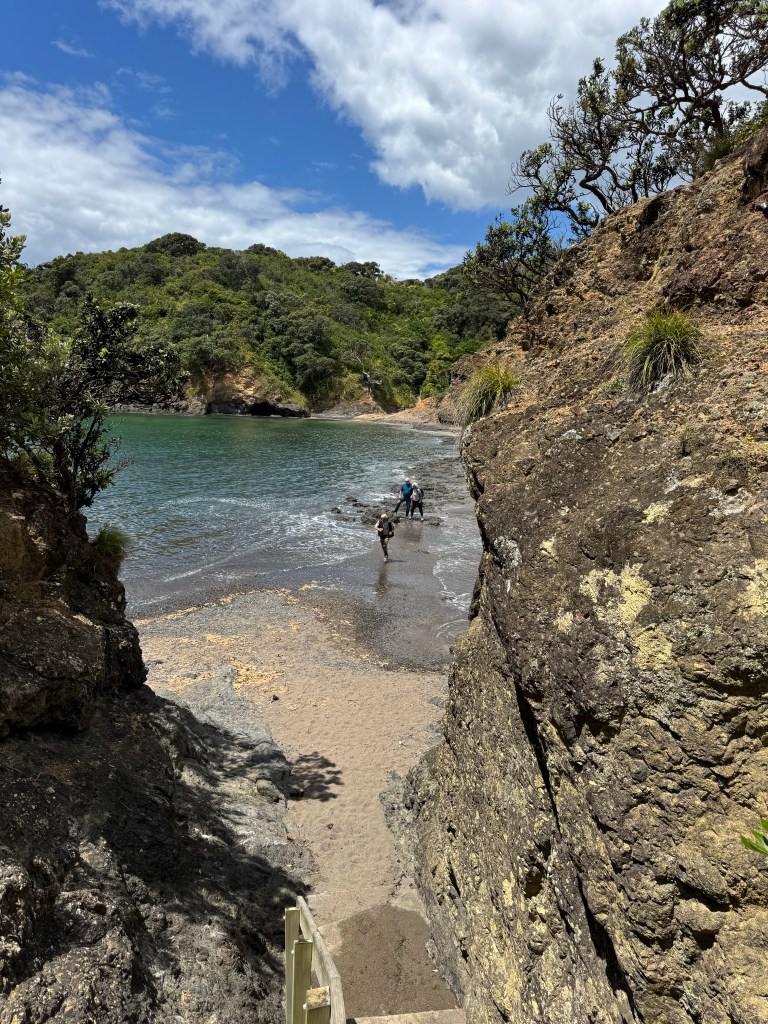
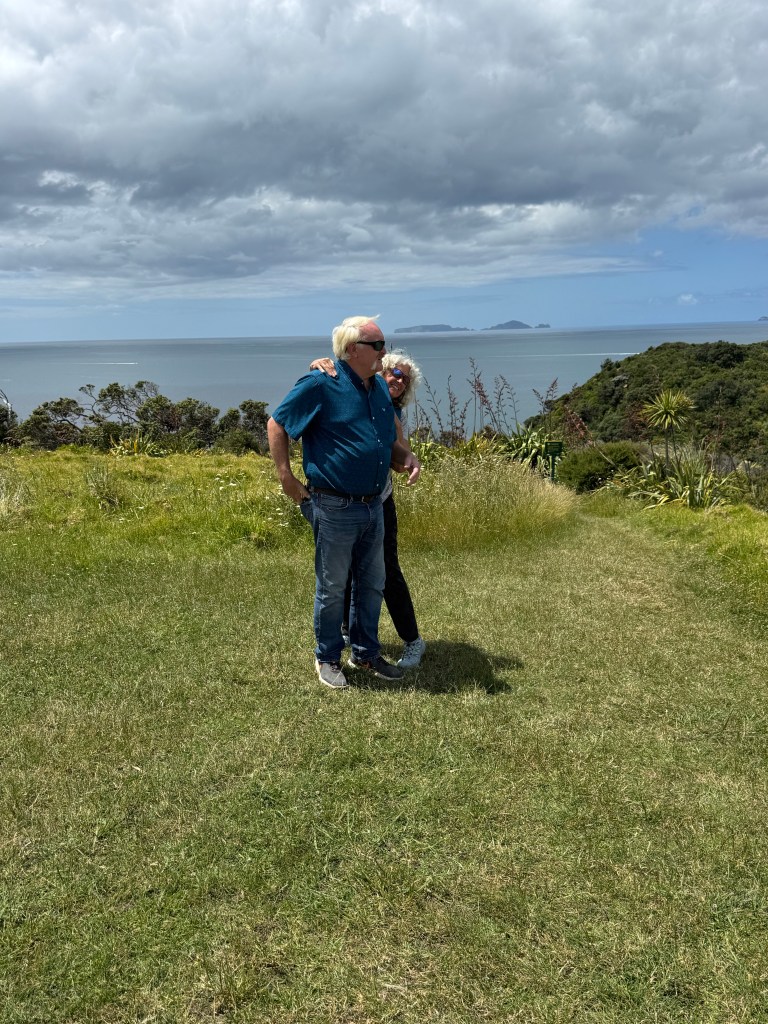
Sally & Rusty invited us to drive with them to Tutukaka, a harbor about 30 minutes north of us. After lunch at the marina, we hiked out the path towards the lighthouse. Part of the hike crosses the beach and the high tide prevented us from getting to the lighthouse. A narrow swath of land is between two bays and the water surges through at several points. We crossed the first patch of beach, but stopped at the second section because we respected the surge too much to chance jumping over the gully it was surging through. Next time, we’ll look at the tides before the hike, but it was still gorgeous.


What’s Next
In between the occasional touristy breaks, we’re working our tails off on Tieton’s boat maintenance punch list to finish as many as we can before leaving December 7 for the US.
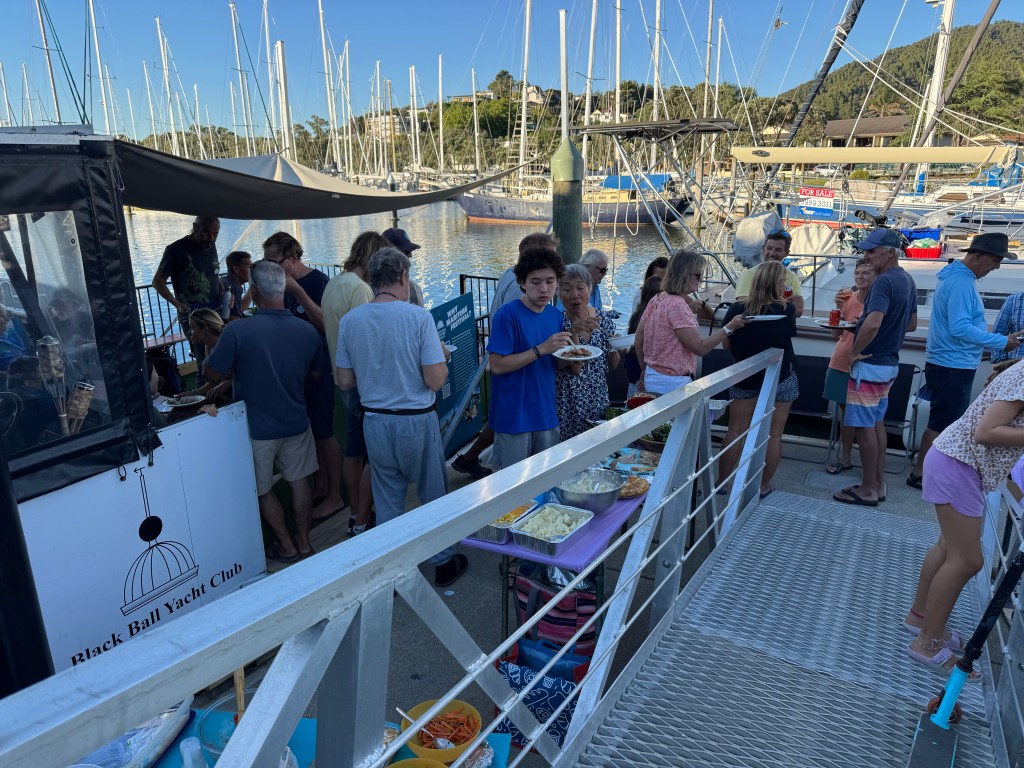
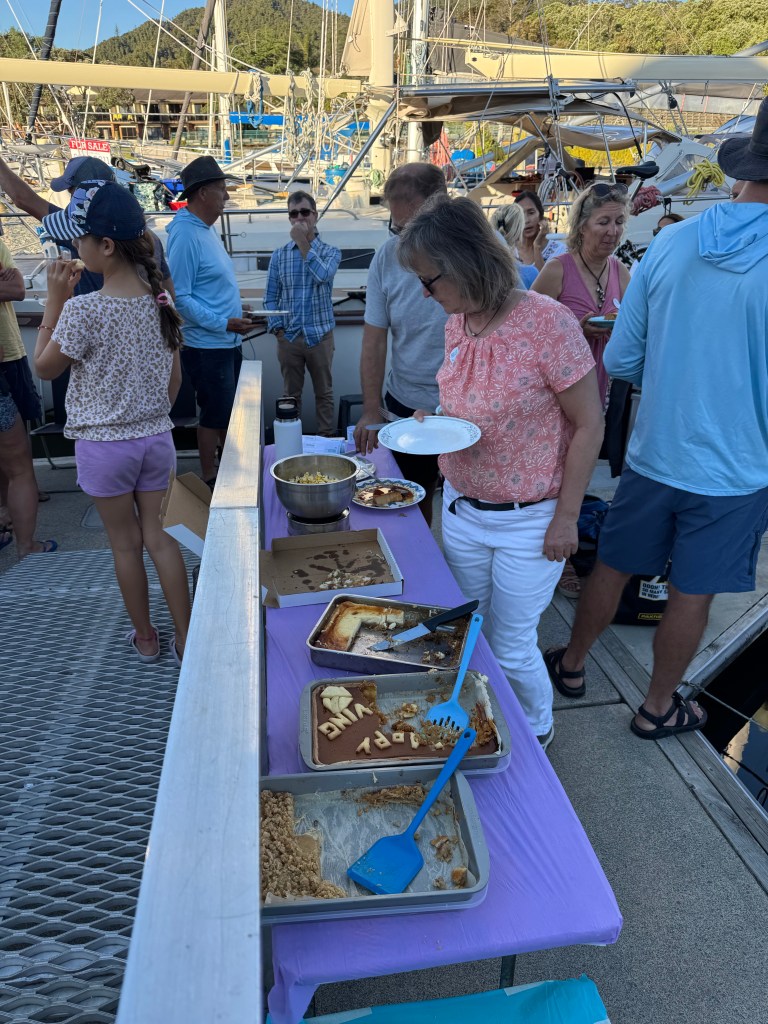
Yesterday we celebrated Thanksgiving with fellow cruisers. We’re grateful to be on the incredible adventure and we miss our family and friends.



 Sailing Tieton
Leave a reply to alysorsb Cancel reply