An island continent, Australia is about the size of Europe. The northern part is surprisingly tropical and relatively close to Indonesia and the Solomon Islands. Aborigines arrived about 65,000 years ago, and when Captain Cook arrived on the Endeavor in 1770, he declared it to be a territory of England. Learning from their experience with the uppity USA, in 1780 England decided to make Australia a penal colony, and started sending prisoners on a likely one-way trip for an assortment of petty and serious crimes. Sometimes prisoners were released from English prisons with a “ticket to leave” and came to Australia as freemen. Prison laborers built the prison, government building and roads to settle the new territory. The aborigines faired much like other native peoples, including assimilation and boarding schools for native children. Much recent cultural awareness of First Nation heritage and reconciliation efforts are very evident.
The second large wave of immigrants arrived to escape Europe’s great potato famine. When the sugar industry settled in northeastern Australia, slaves and indentured servants came from the islands to the north.
Sydney
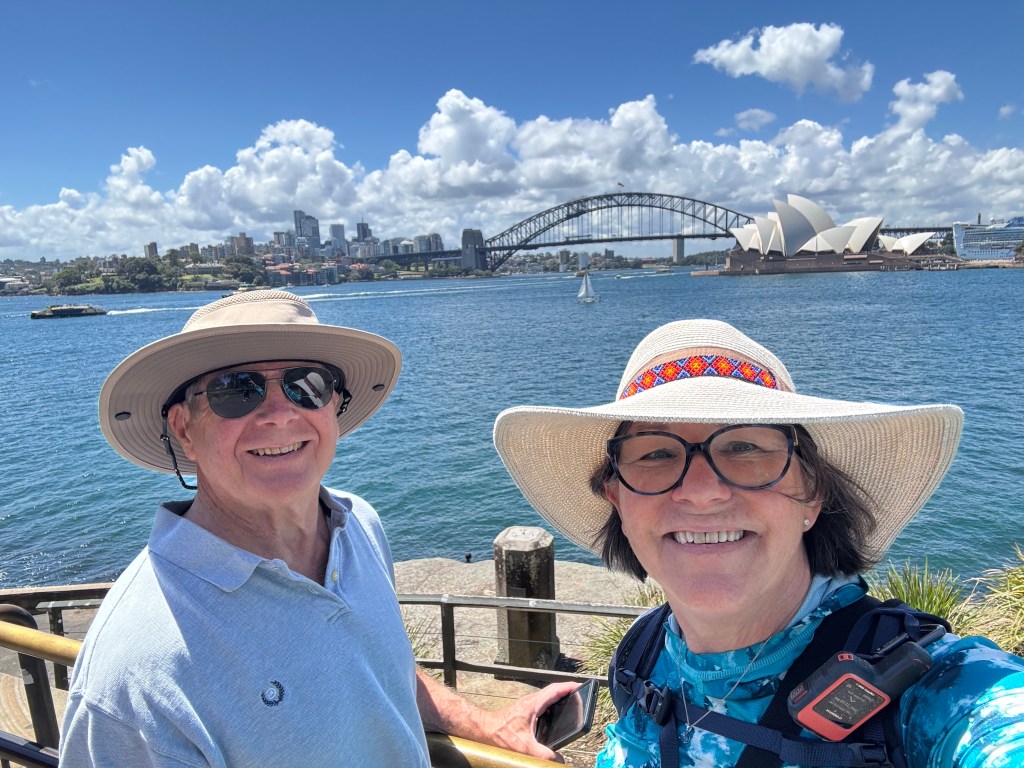
We spent our first couple of days in Sydney to allow our bodies to adjust to the time change and to decompress from all the lovely state-side visits. We stayed shared an AirBnb condominium with our host Aurora and had deep conversations about her previous work with international aid projects that have recently been defunded.
Greater Sydney homes an ethnically diverse population of over 5 million people, which is about 20 percent of Australia’s population. We stayed outside of the downtown core, which provided an opportunity to experience the excellent (although confusing) public transportation system.
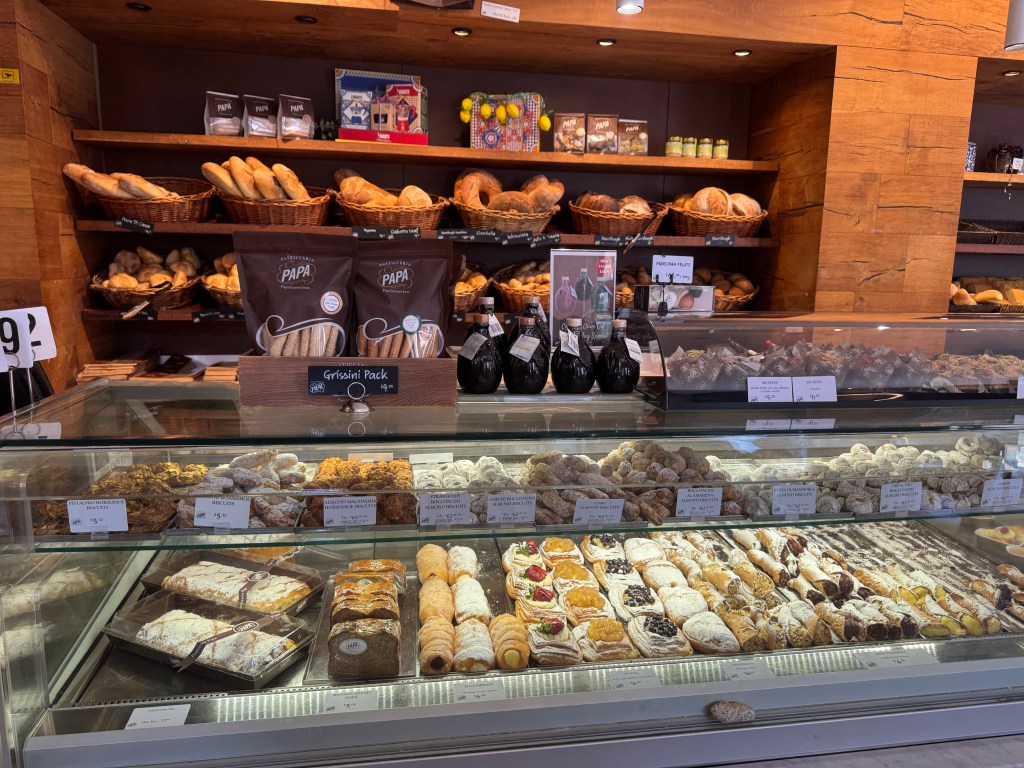
We explored the Italian district and had fabulous pastries at local restaurants. We walked off (mostly) our extravagance around the winding shorelines.
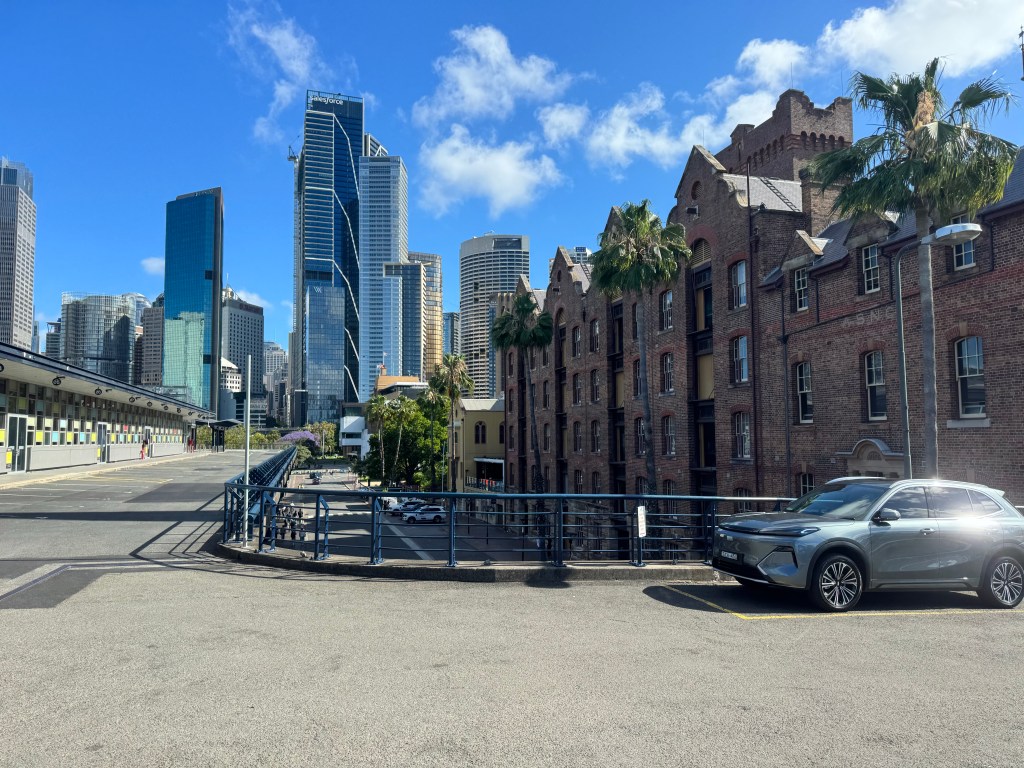
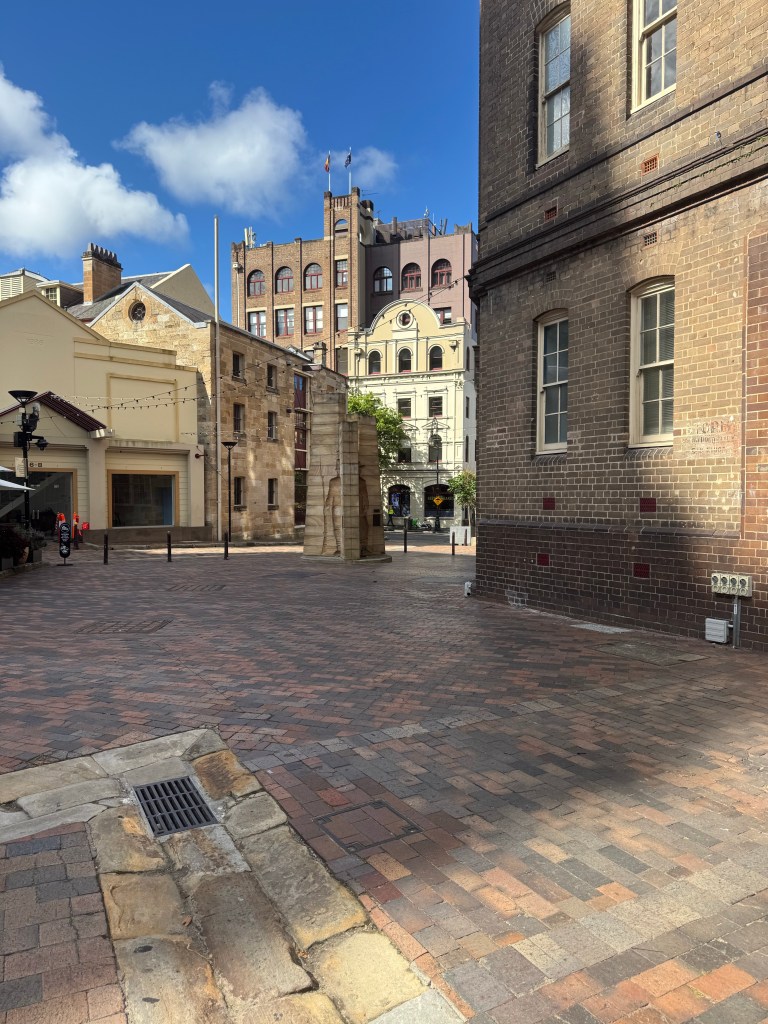
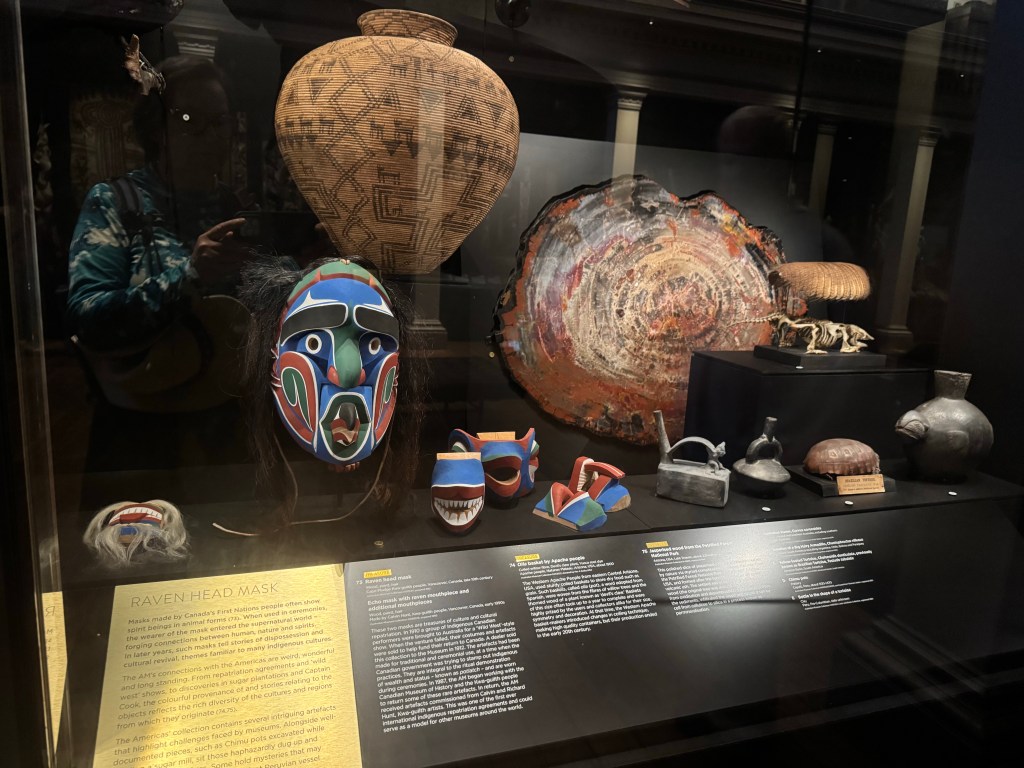
The following day, we took the bus into downtown and toured museums and “The Rocks”, which was the original settlement point subsequently rejected because of the black plague brought on by poor sanitation near the estuary, after which the settlement moved upland.
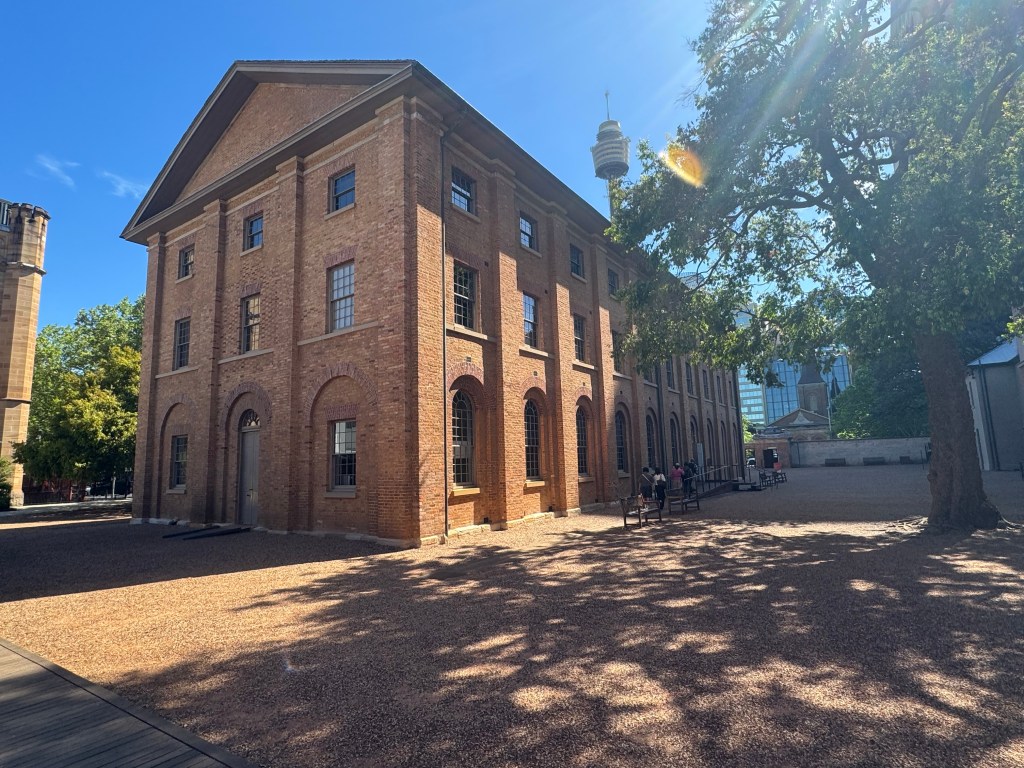
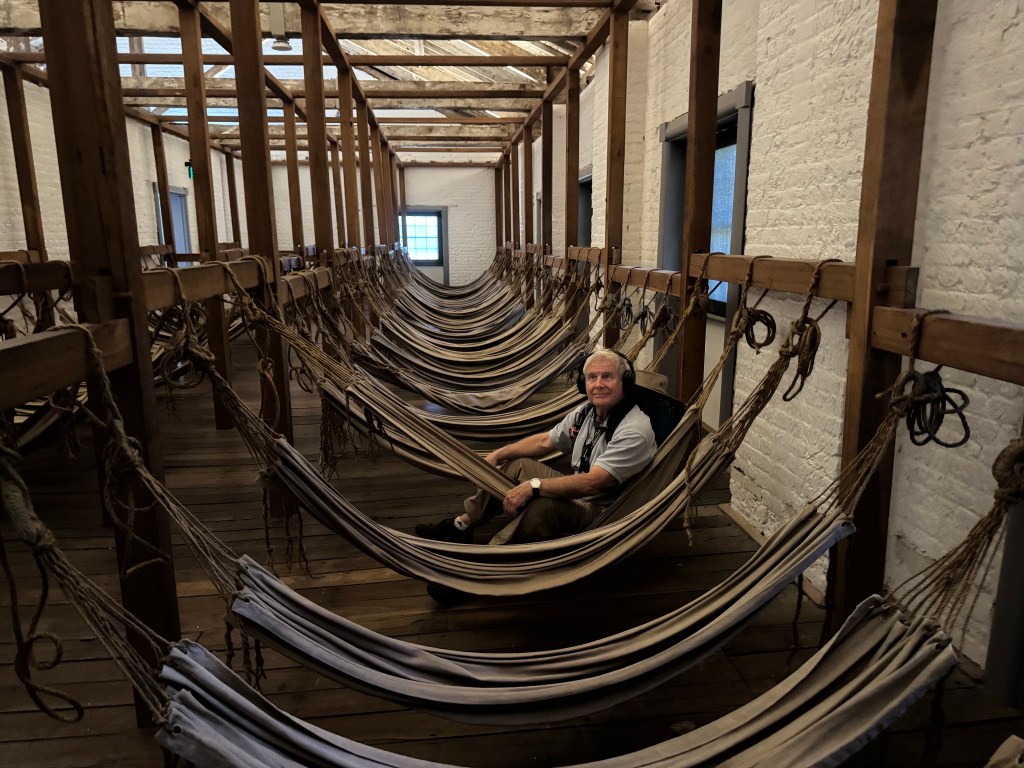
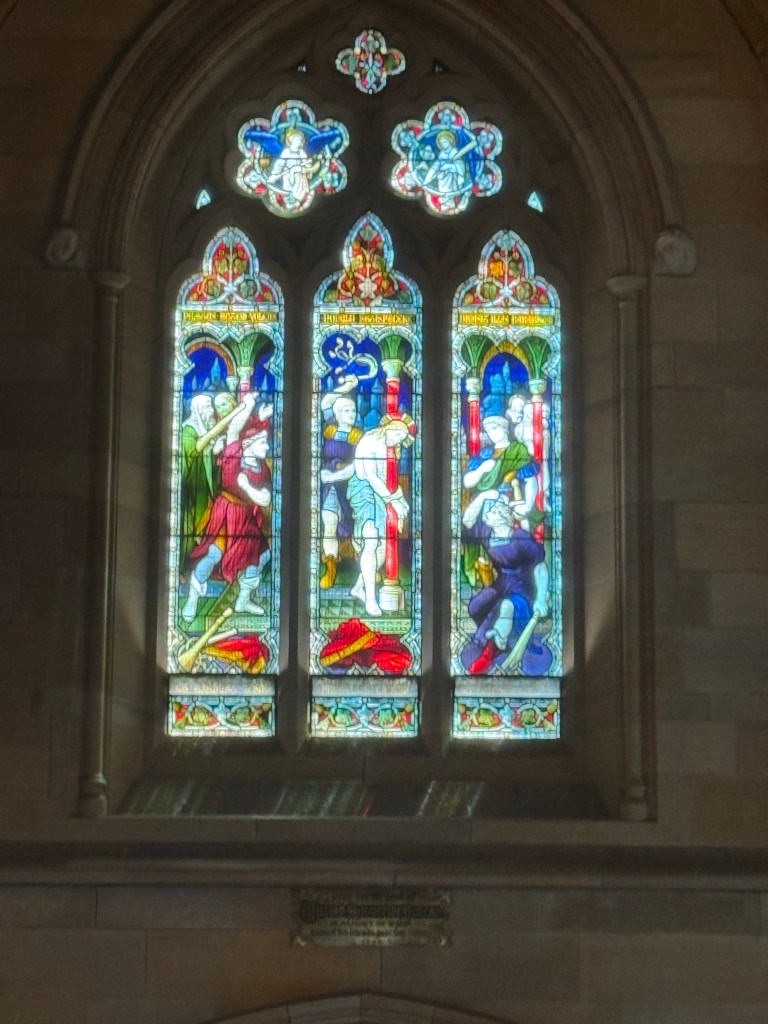
For us, the most significant stop was the prison. As the core of the penal colony, it served as the launching point for today’s Australia. Although some of the prisoners committed horrible crimes, many were crimes of poverty that resulted in a one-way trip from their home country. After the prison shut down, it became a home for incoming female immigrants, mostly from the potato famine. After the immigrant rush, the building’s next purpose was as an asylum for housing “insane” women.
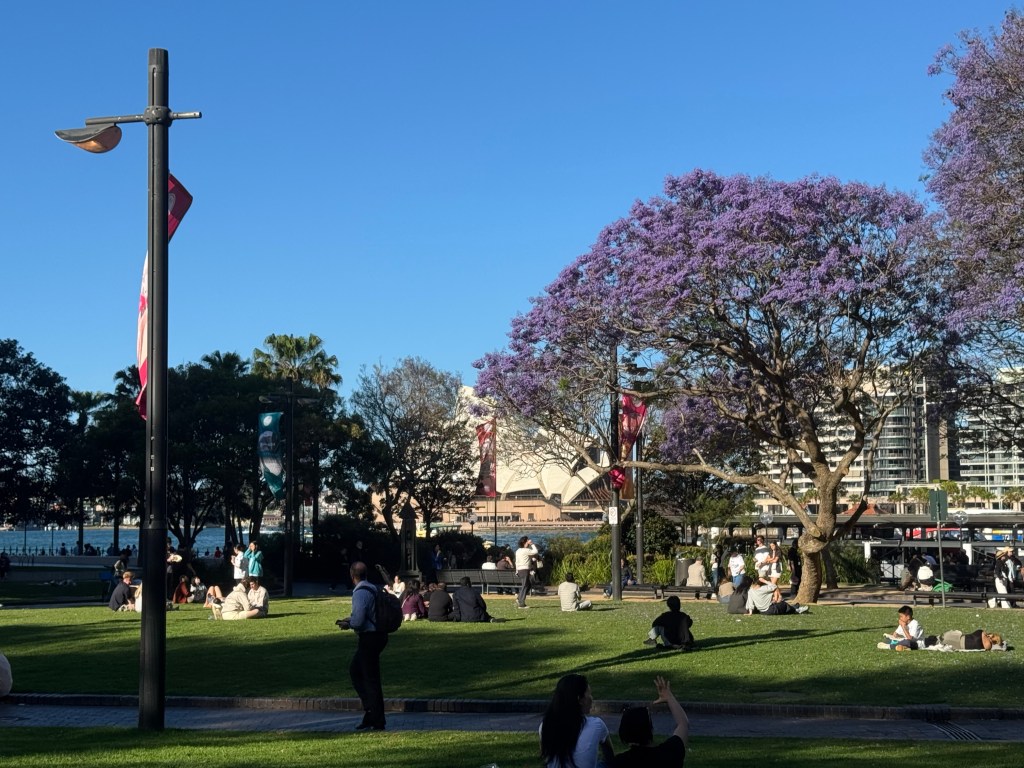
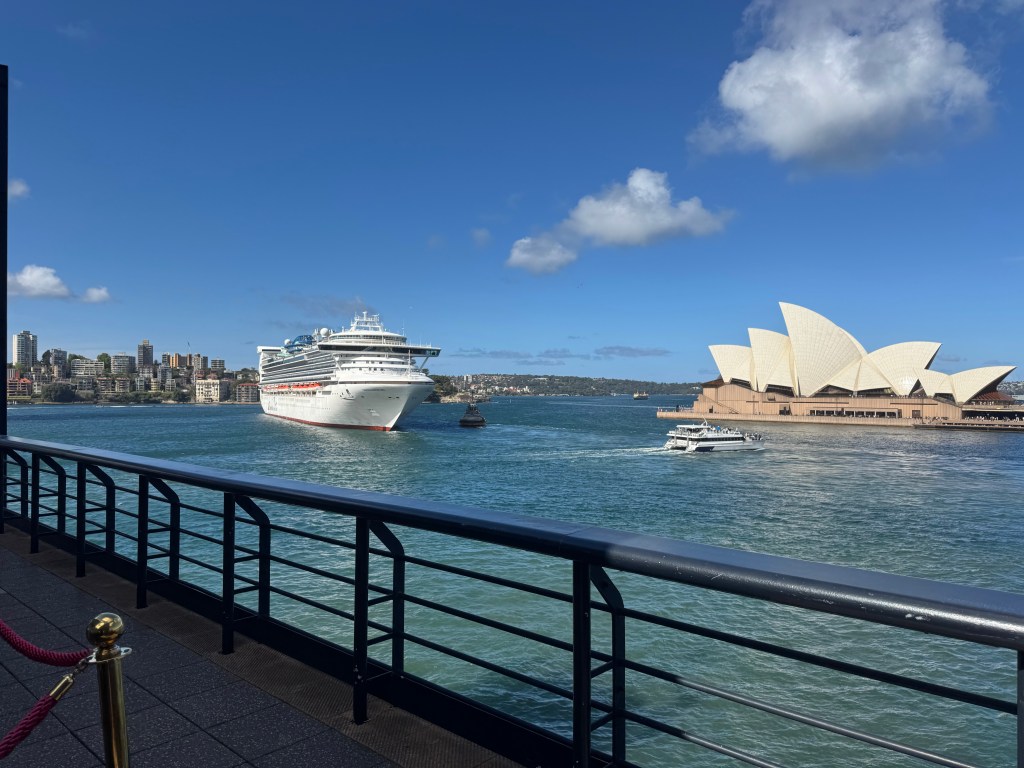
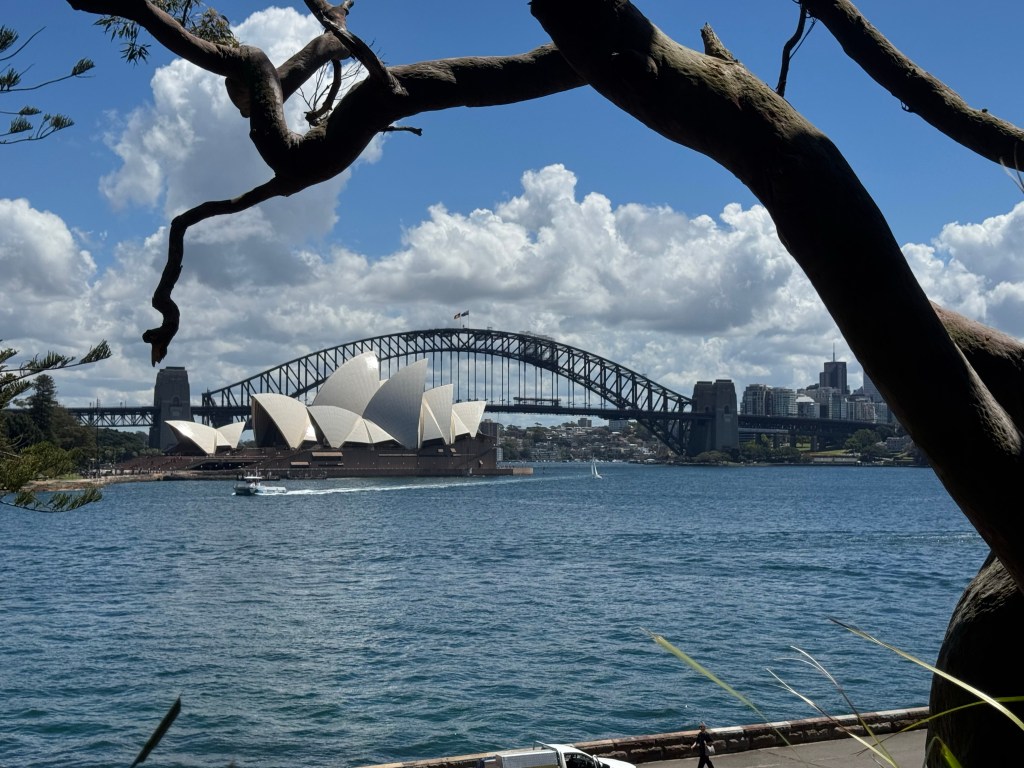
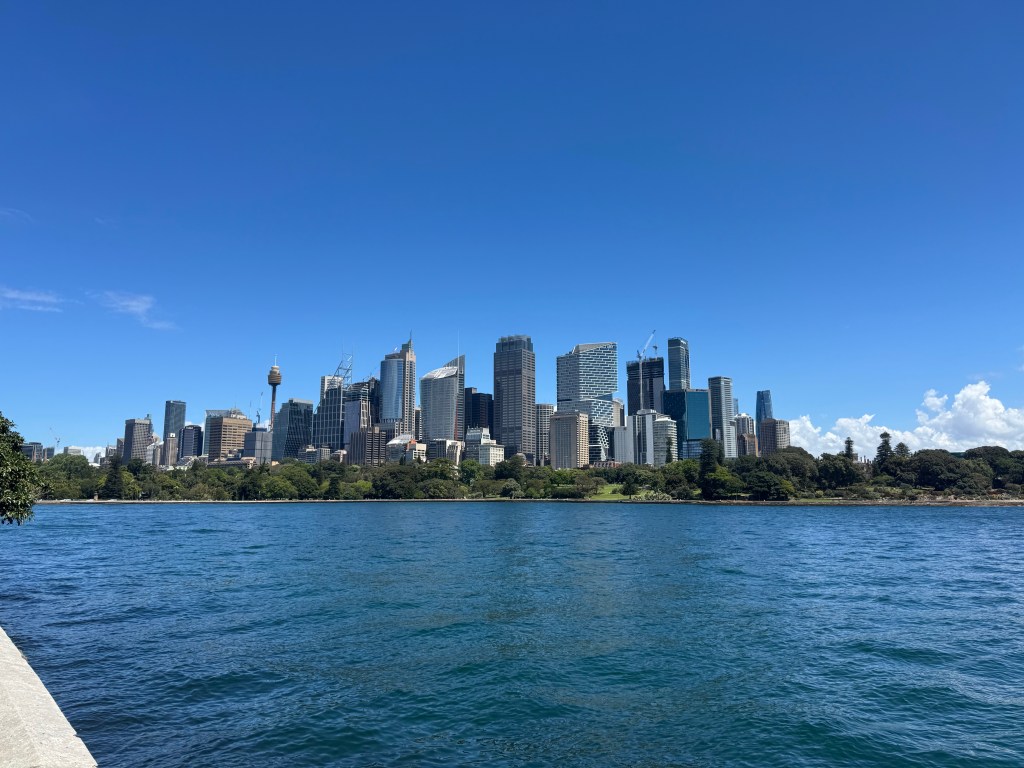
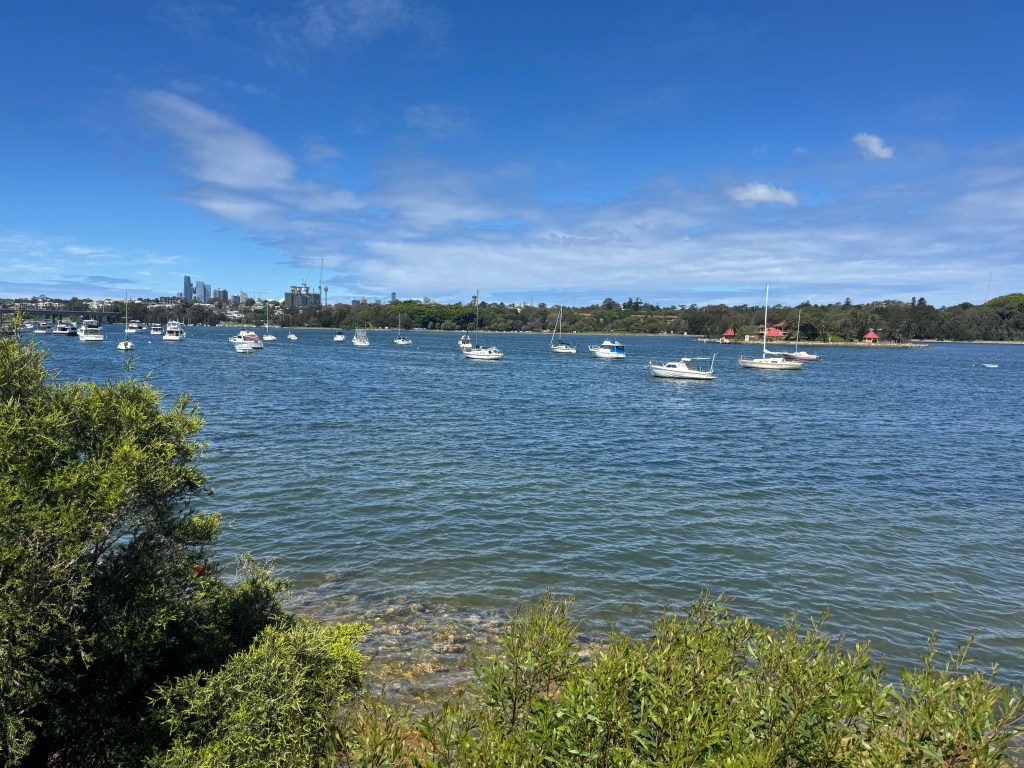
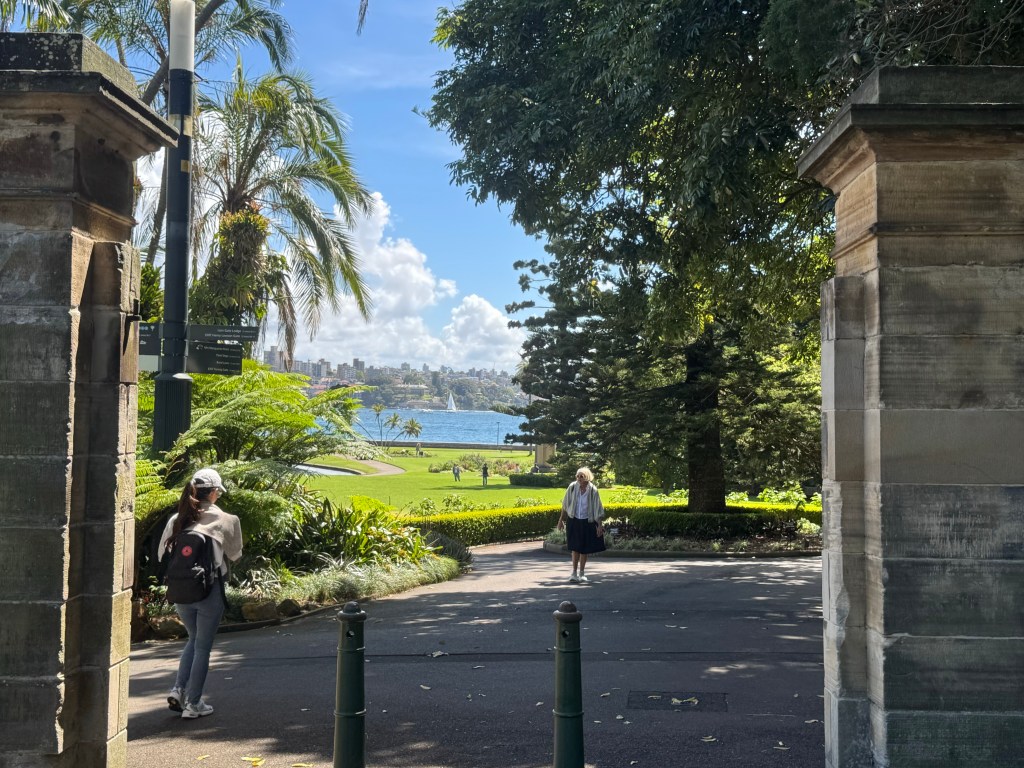
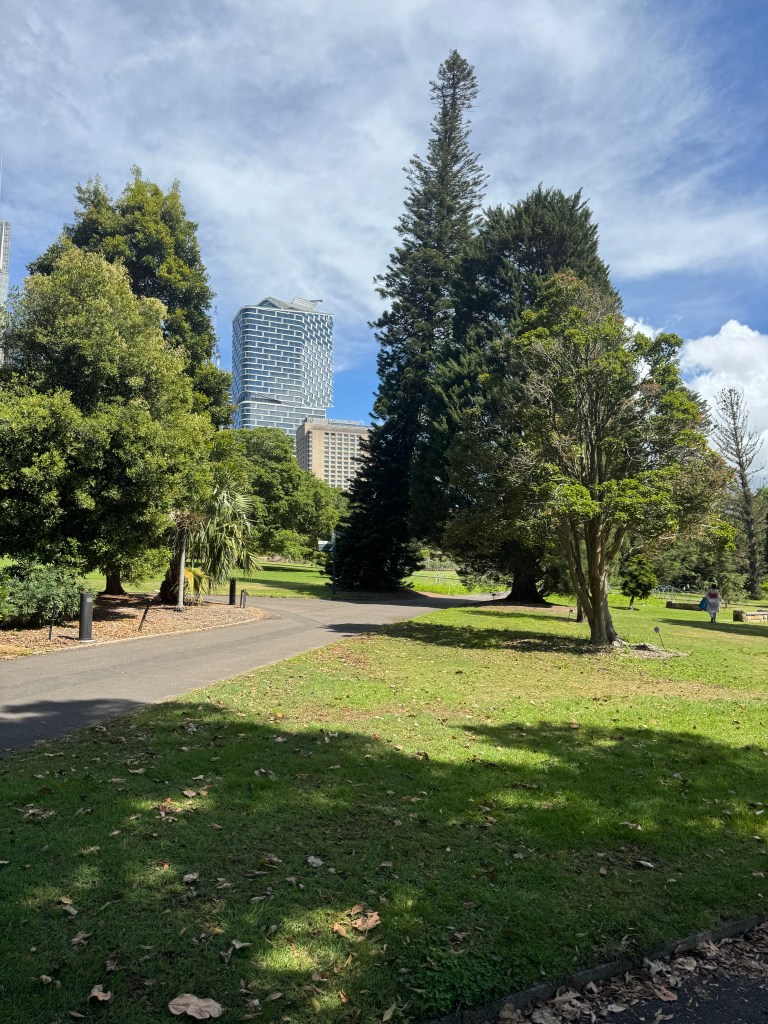
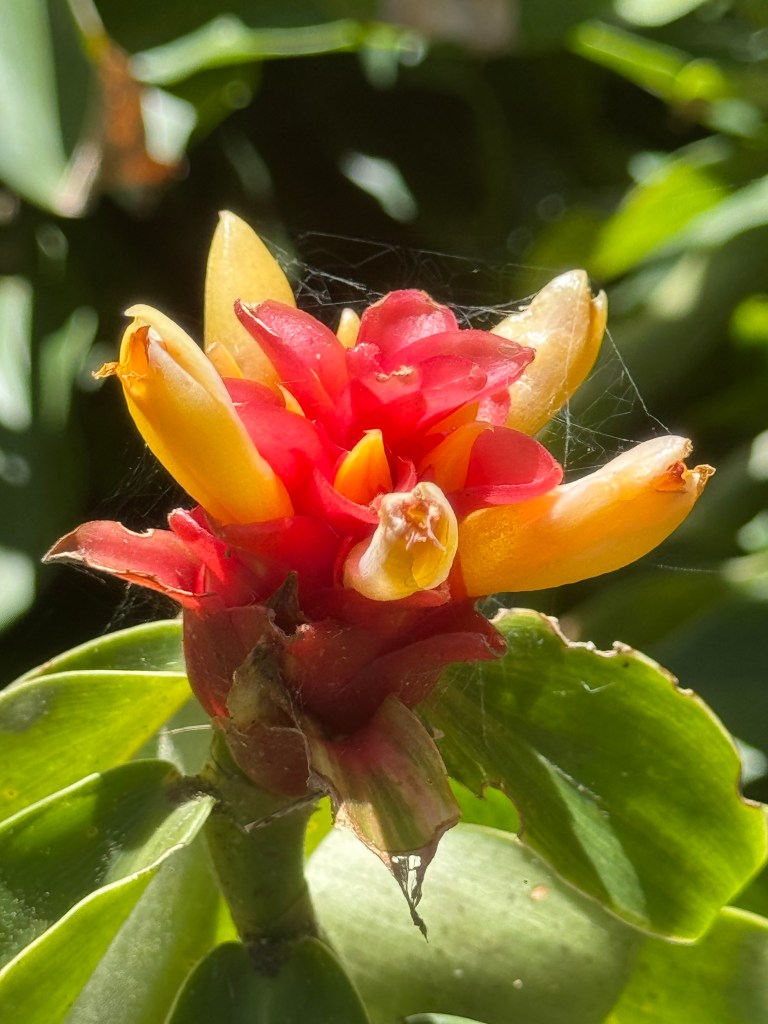
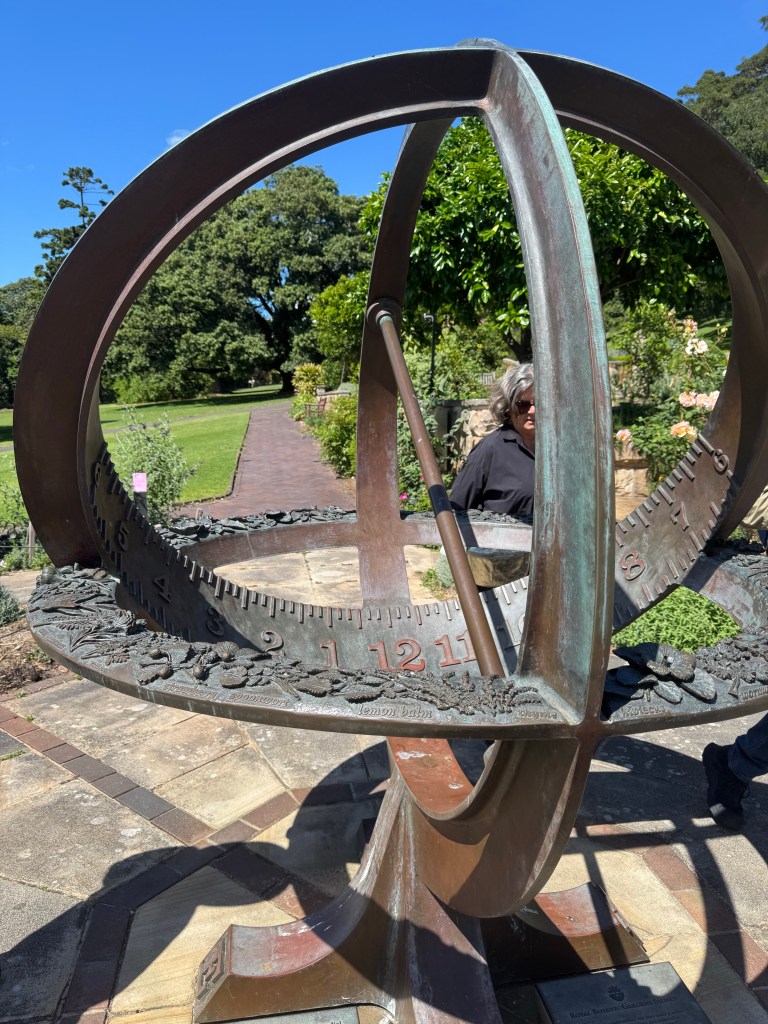
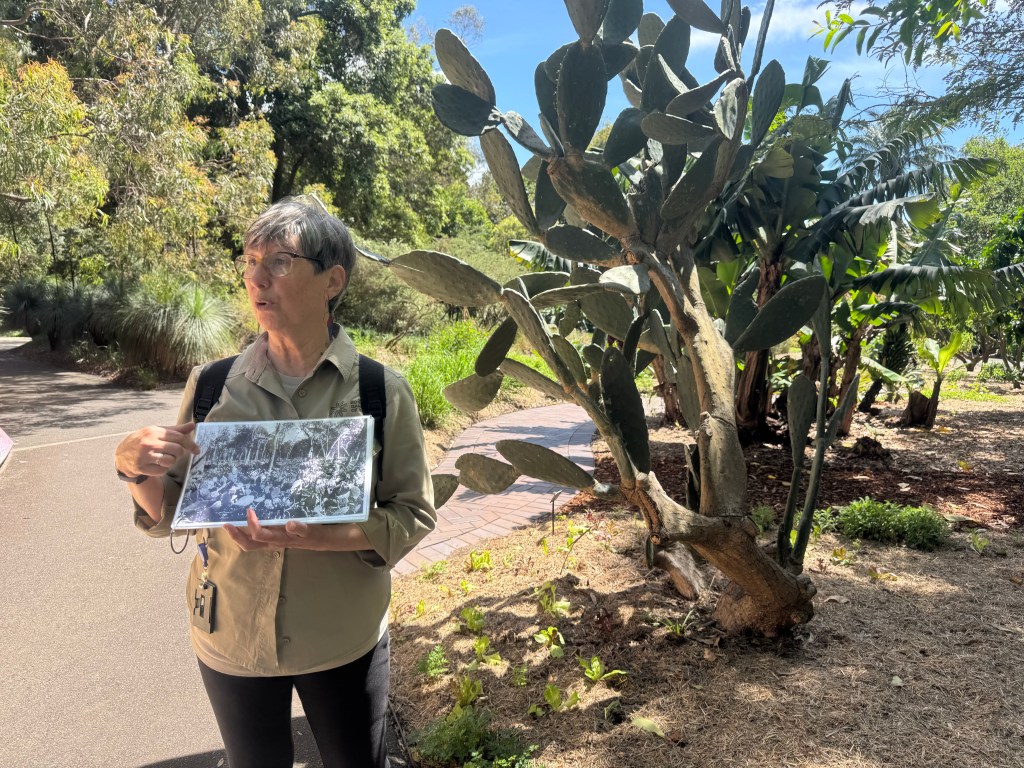
Sydney’s Botanical Garden was also a significant visit. The first governor set aside a large point across from what is now Sydney’s major harbor and the iconic bridge, which now open to the public. Locals ran the trails and stairs (ugh!) while tourists wandered. Our guide Eve walked us through native plants and also introduced species, including invasive cacti. Interestingly, outside New Caledonia, the New Caledonia Pine leans toward the equator, while in NC it grows straight. The park that houses the garden was gated so that Mrs. Macquarie, the accomplished wife of the Governor of New South Wales, could wander to the shore to view the ships, unbothered by the riff-raff of the “city”.
“Jucy” and Bondi
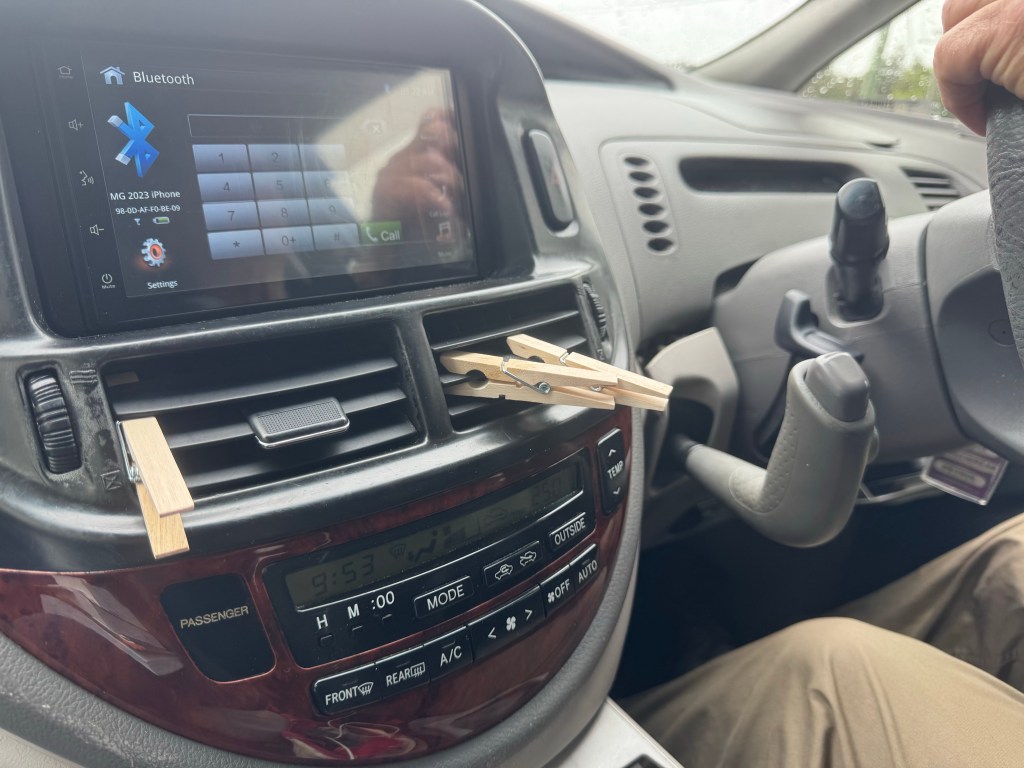
We picked up our “Jucy” van to embark on our land-travel ventures. Much to our surprise our “cost-effective” van had experienced 480,000 kilometers (almost 300,000 miles), and we quickly named the van POS. Good news is that we picked up some clothespins (pegs) to secure the vents so that they functioned. Nothing to be done about the casing falling off the gearshift or the sometimes functioning locks and windows.
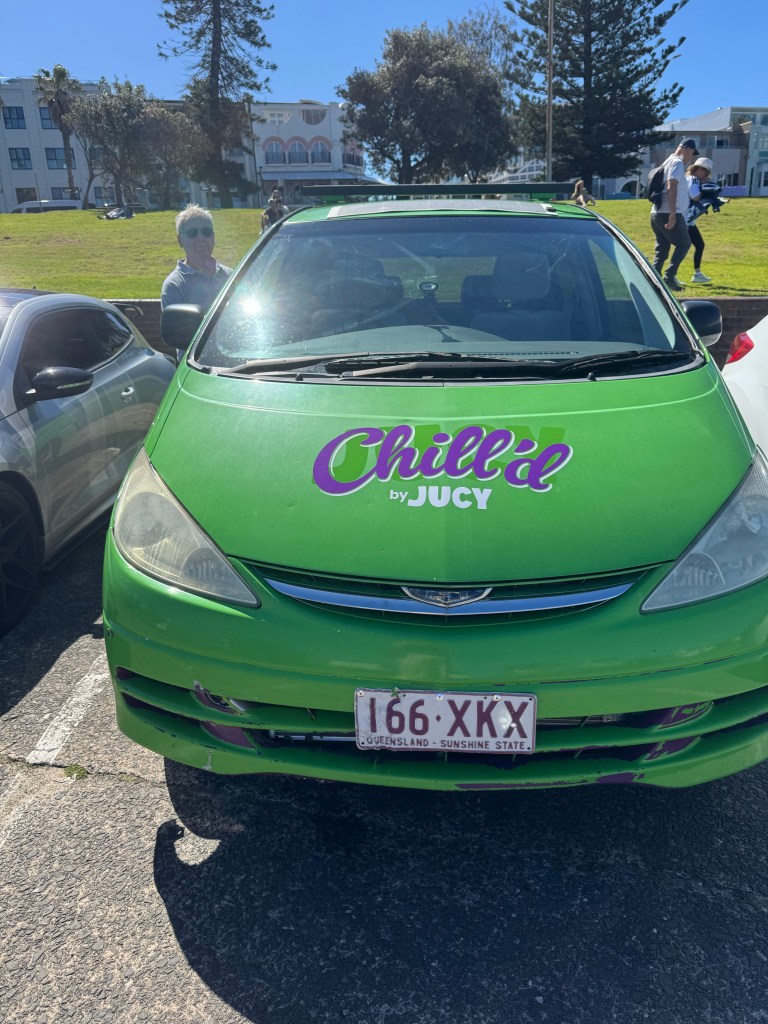
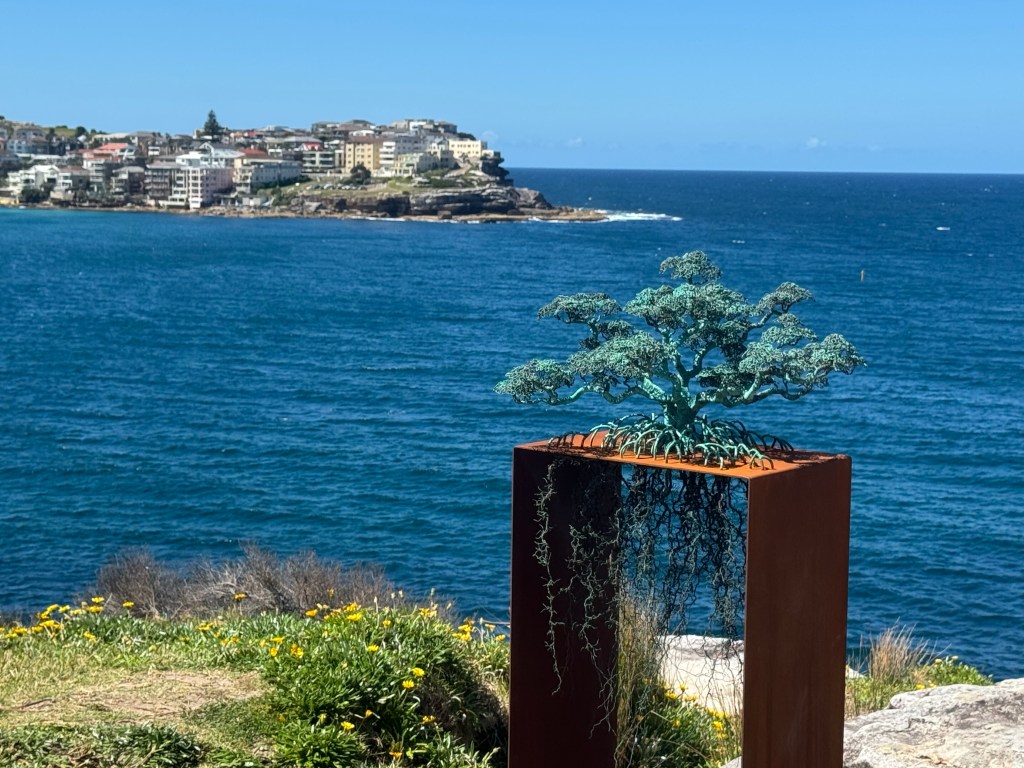
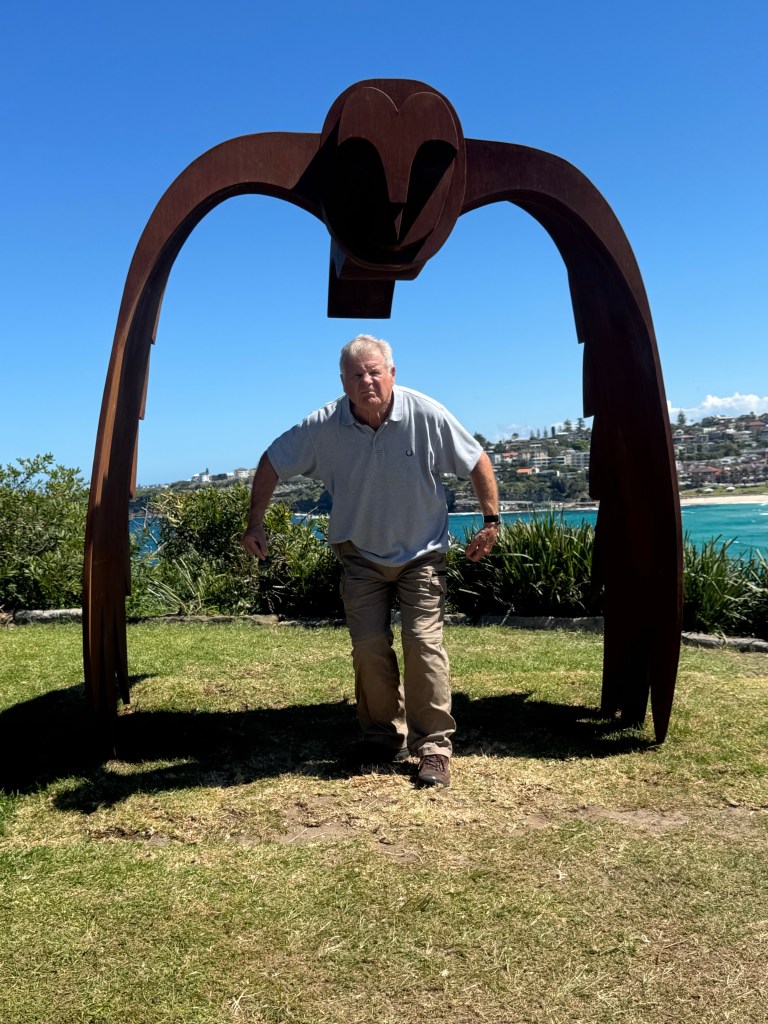
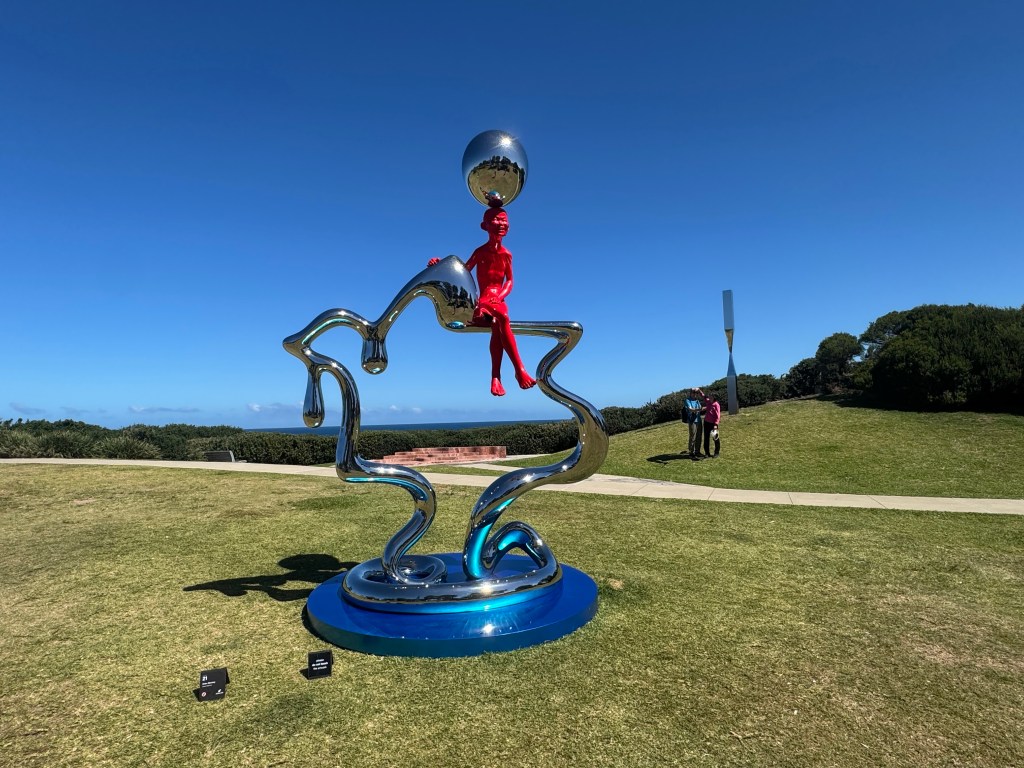
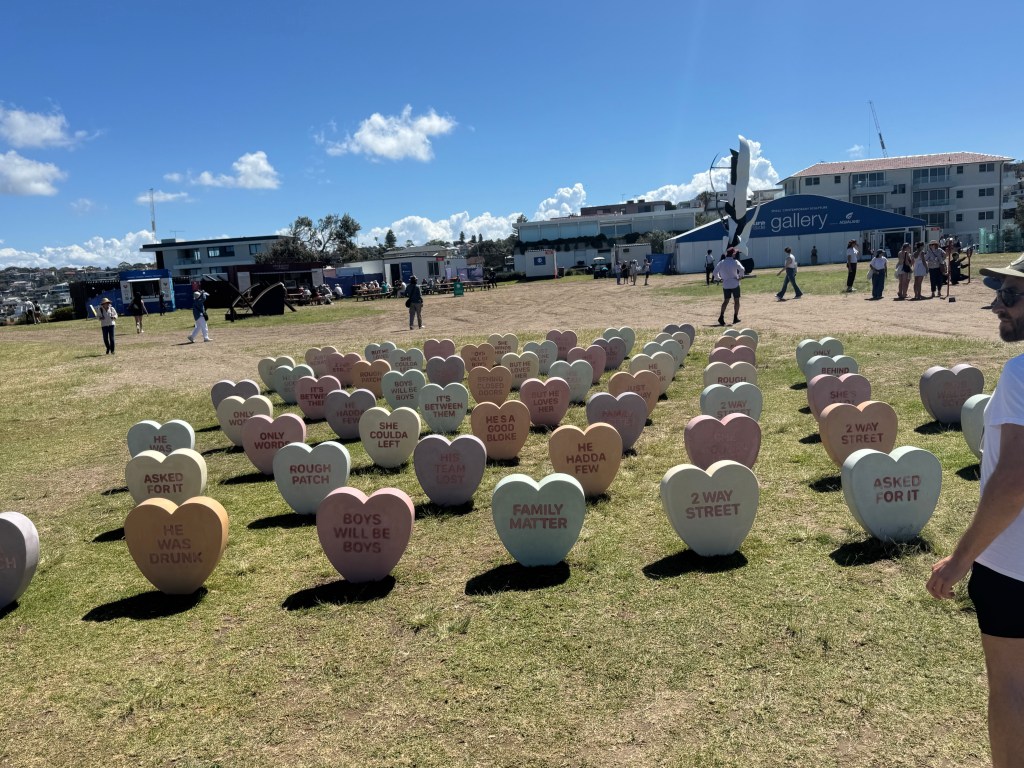
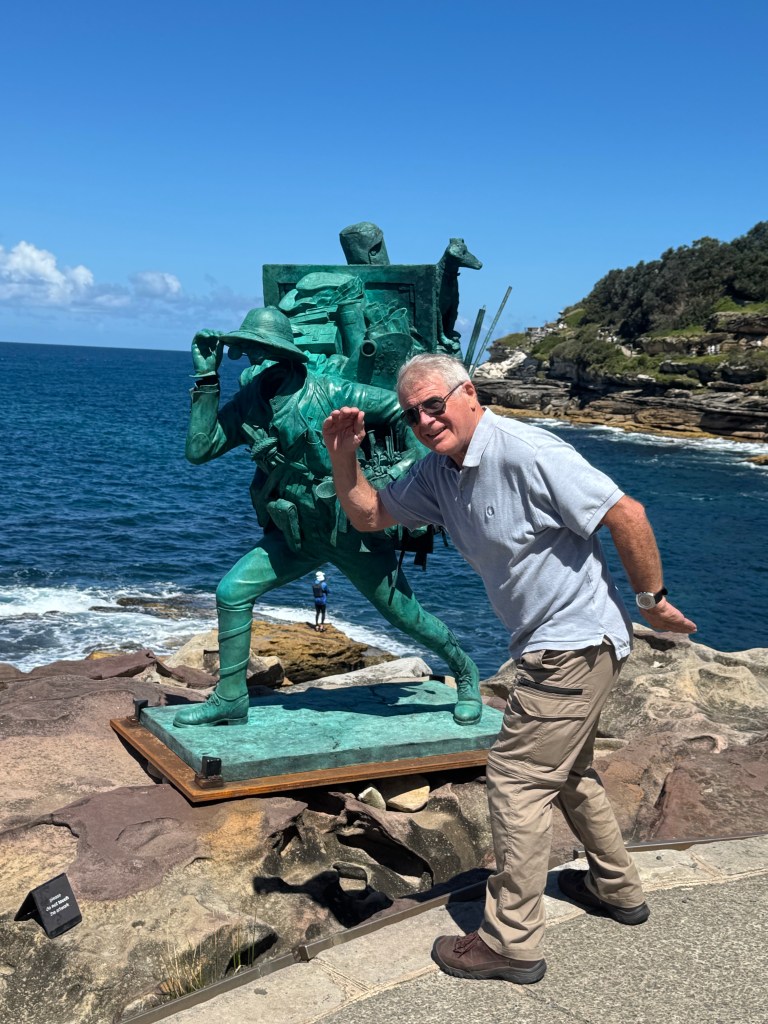
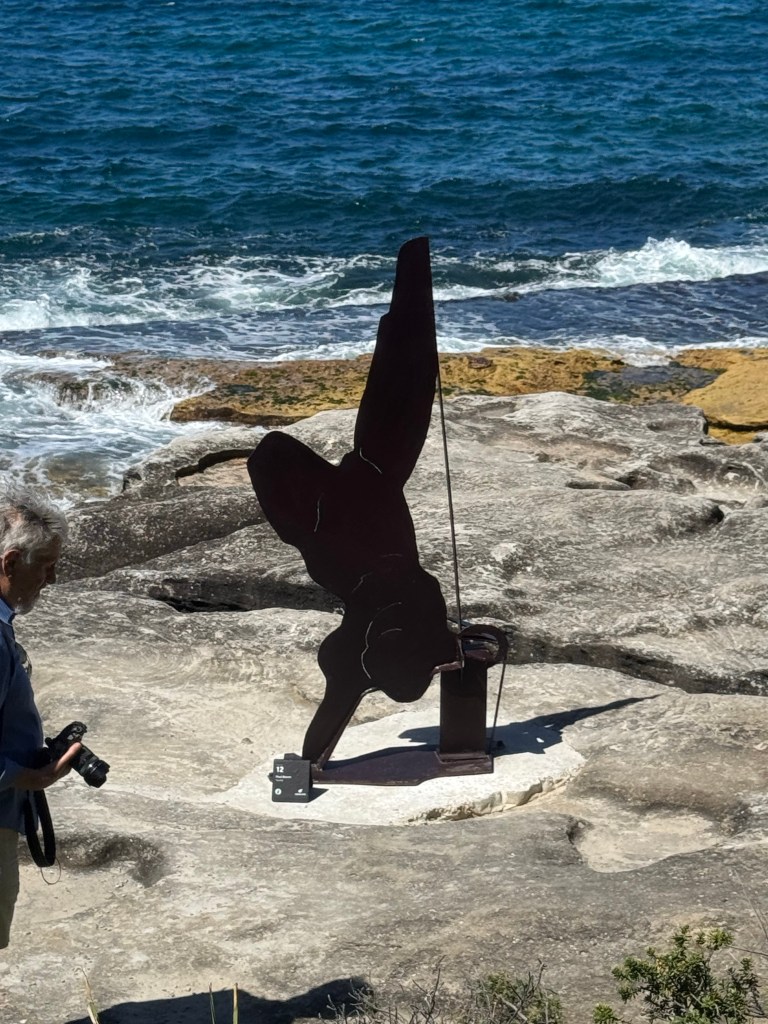
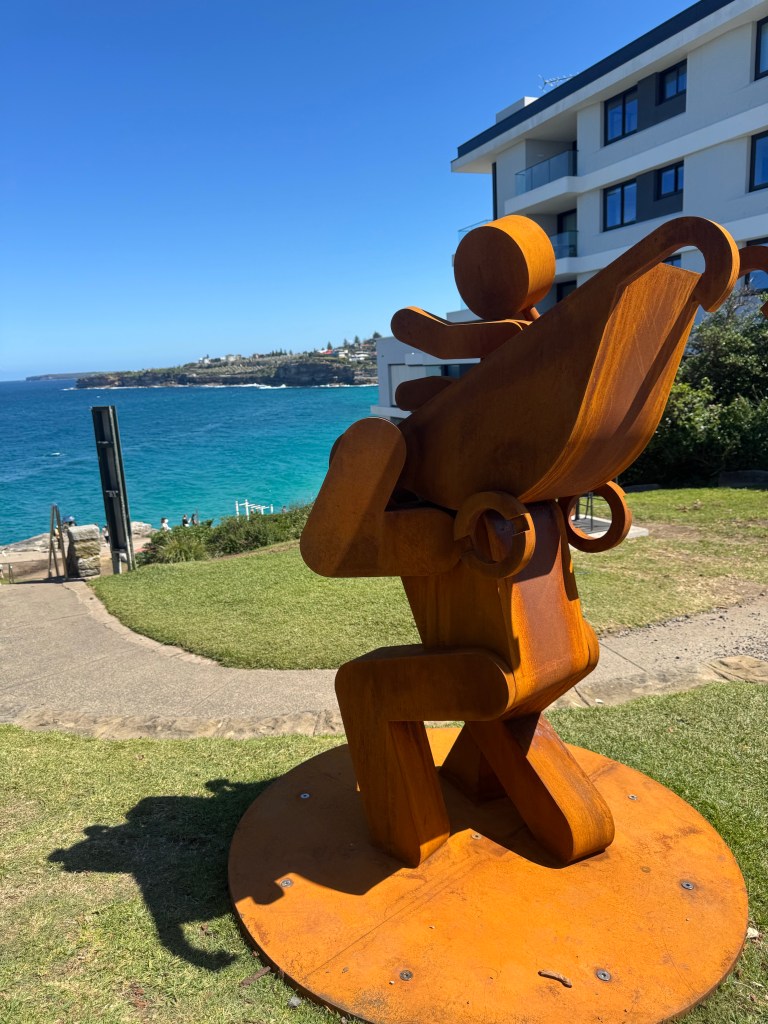
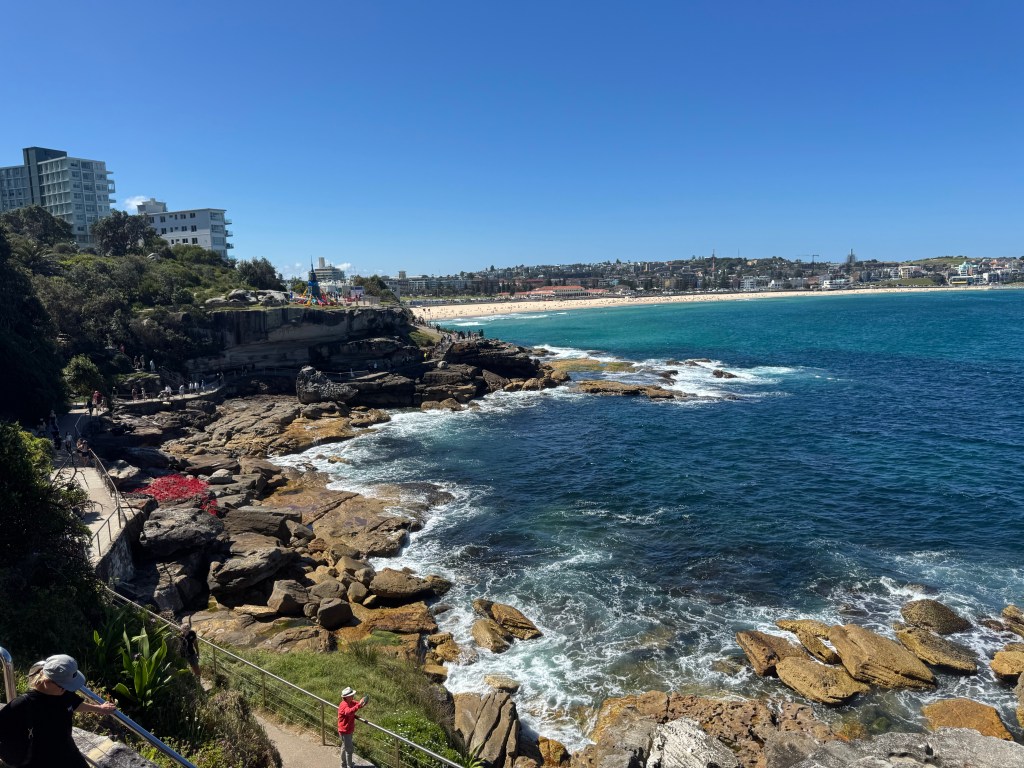
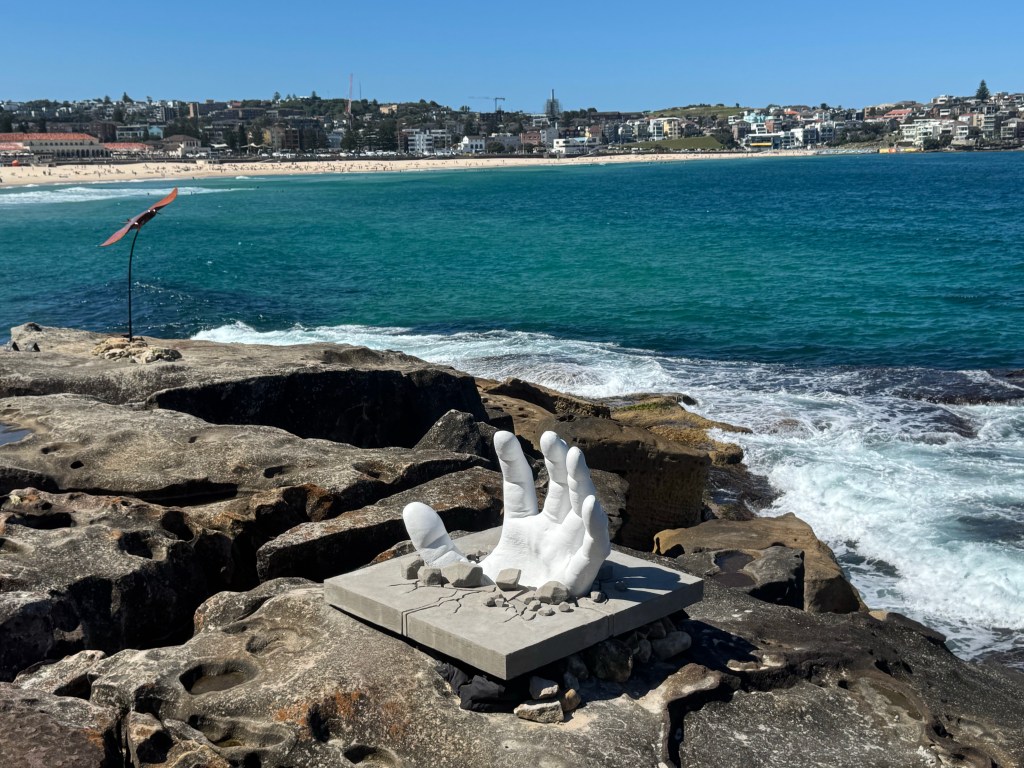
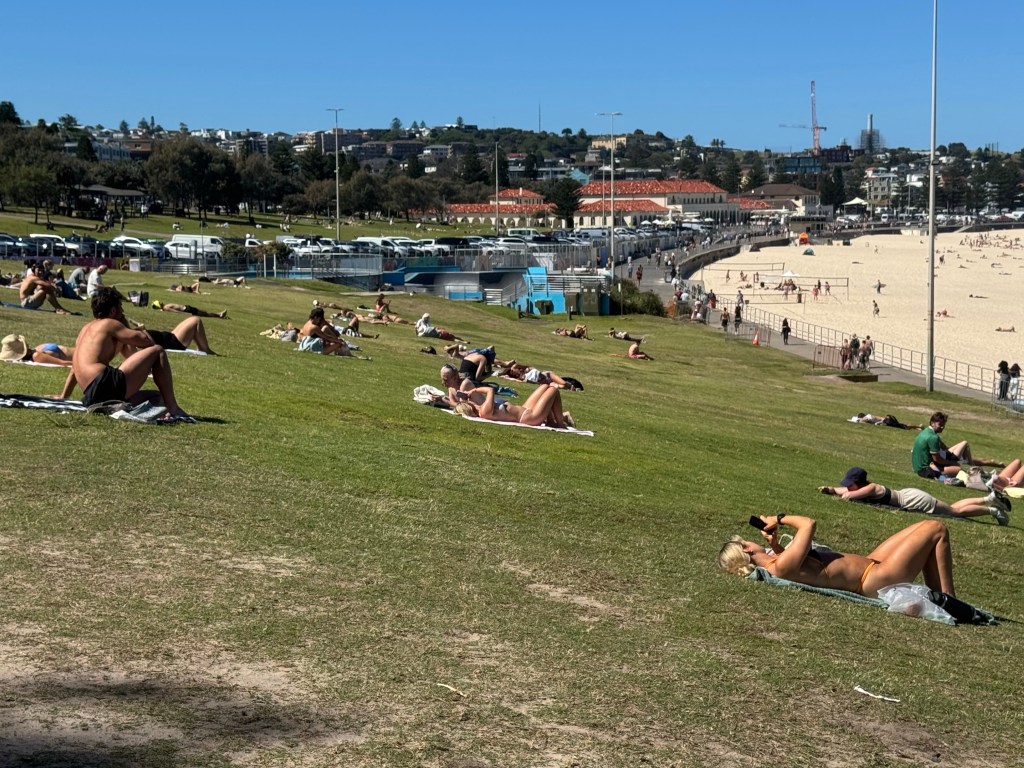
We headed to Bondi Beach, a wealthy suburb of Sydney, for the annual sculpture exhibit and were astounded by the display (and traffic).
What’s Next
Next comes a road trip going north through parts of New South Wales and Queensland. In Jucy, we have a “full” size bed, plus small cooking and washing facilities, so we’ll be comfortable camping along the way.


Leave a Reply